The fabric armchair by the window had become your quiet confession booth. It’s where you curl up after long days, where coffee has sloshed over the rim of your mug more than once, and where the scent of your favorite body lotion lingers in the fibers. You notice, one evening as rain taps softly against the glass, that the chair doesn’t smell bad exactly—but it doesn’t smell like nothing anymore either. It smells like days and nights and conversations and crumbs. And you wonder, as you shift your weight and feel the softened fabric beneath your fingertips: is there a way to make this feel fresh again… without hauling off every removable cover to the washing machine?
The Secret Life of Fabric Surfaces
Before you reach for a bottle of anything, it helps to understand what’s actually happening on that couch, armchair, car seat, or headboard. Fabric surfaces live a busy, invisible life. Every time you sit down, you leave behind a small trace of yourself: a whisper of skin cells, a smudge of natural body oils, maybe a faint wisp of perfume or the garlic from yesterday’s dinner. Pets add their own signature—dander, fur, the faint must of outdoors.
Over time, these tiny deposits weave themselves into the fibers. They don’t shout; they gradually murmur. The result isn’t always an obvious “bad” smell but a dull heaviness, a sense of air that feels used rather than open. And because many household fabrics aren’t meant for frequent machine washing—think couches, upholstered headboards, thick drapes—the usual “just wash it” solution starts to feel impossible.
Keeping fabric fresh, then, becomes a gentle practice rather than an occasional emergency. It’s about tending instead of rescuing. Think of it as giving your fabrics a breath of fresh air, routinely, so the stories they hold don’t solidify into stubborn stains or stale scents.
The Air, the Light, and the Power of Nothing
Some of the best ways to keep fabrics fresh begin with doing almost nothing—just choosing the right kind of nothing. Imagine an early Saturday morning with pale sunlight slanting through the window. There is already a quiet cleanliness in the way the light pools on the floor, the way the air feels cooler, less handled. This is your first and most important tool: circulation.
Open the windows whenever weather and air quality allow. Let cross-breezes slip through your rooms, grazing cushions, curtains, and throws. That simple movement helps carry away the lightest, most volatile odor molecules, like the ghosts of last night’s dinner. Even five to ten minutes of open windows can make a difference, especially in smaller rooms where air tends to stagnate.
Sunlight, used carefully, is another quiet partner. Ultraviolet light can help reduce certain bacteria and lift mild odors. Drape a removable throw blanket or cushion cover near a sunlit window for a short while, turning it occasionally so each side gets a little glow. Just avoid leaving colored fabrics under intense sun for hours on end—fading is the price of overexposure.
The beauty of these techniques is their simplicity. No harsh sprays, no synthetic clouds, just fresh air and light nudging your fabrics back toward neutral. This is the foundation: if your space itself is stale, no product in the world will fully rescue your fabrics.
Dry Care Rituals: Beating, Brushing, and Vacuuming
Look closely at an old sofa cushion and you’ll often see a faint constellation of crumbs, lint, and dust clinging to the weave. These aren’t just visual annoyances; they’re part of what makes fabrics feel old, flat, and, eventually, musty. Dry care—no water, no detergent—is your next quiet superpower.
The Old-Fashioned Shake and Beat
If you have removable cushions or light throws, take them to a balcony, porch, or even a handy open doorway. Hold them firmly and give them a series of solid shakes. For sturdier fabrics, if you have an outdoor space, a gentle “beating” with your hand or a soft brush releases a surprising amount of trapped dust. There’s something deeply satisfying about watching a small cloud drift away, knowing that dust is no longer embedded in your sofa.
Vacuuming with Intention
A vacuum with an upholstery attachment can turn into a fabric spa tool when used slowly and deliberately. Glide the nozzle along seams, creases, and cushion edges—those tiny valleys where dust, hair, and crumbs gather. Move in overlapping passes instead of quick zips; the slower you go, the more deeply the suction pulls out what has settled into the weave.
For delicate fabrics, use a lower suction setting or cover the attachment with a thin, clean cotton cloth. This gives you a gentler touch while still removing surface debris. Make this a weekly or biweekly habit, depending on how loved (and lived on) your furniture is. The payoff isn’t just visual. By removing dust and dander regularly, you slow down the buildup that eventually leads to persistent “old fabric” smell.
Brushing the Fibers Awake
A soft-bristled clothing brush or upholstery brush can be a quiet miracle worker, especially on velvet, corduroy, and other textured fabrics. Brushing in the direction of the nap lifts flattened fibers, dislodges fine particles, and restores a subtle sheen. It’s like combing a tired head of hair—suddenly, everything looks more alert, more cared for.
Freshness You Can Smell: Light, Layered Scents
There’s a fine line between pleasant and overpowering when it comes to scent. We’ve all walked into rooms where the “freshness” hits first and the headache follows a few minutes later. When you’re keeping fabric surfaces fresh without washing, the goal is not to make them smell like a perfume counter—it’s to let them smell like almost nothing, with just the faintest whisper of something clean.
DIY Fabric Refreshers (The Gentle Kind)
If your fabric care label allows light misting, you can create a simple, subtle fabric refresher at home. Think small and restrained; less is more.
- Fill a clean spray bottle with filtered or boiled-and-cooled water.
- Optional: Add a tiny pinch of baking soda to help neutralize mild odors.
- Optional: For scent, add 1–2 drops of an essential oil per cup of water, no more. Lavender, lemon, or cedarwood can work well, but always test for sensitivity and staining first.
Shake gently, then stand a few feet away from the fabric and mist a very light veil into the air above it, allowing droplets to drift down rather than soak in. The goal is to let the fabric catch a fine, even mist, not to wet it. Let it air dry completely before sitting down.
This kind of spray doesn’t “clean” in the deep sense, but it can soften mild, temporary odors. Always spot-test a hidden corner first, especially with delicate or dark fabrics.
The Magic of Neutral, Not “Nice Smell”
Sometimes the most satisfying scent is none at all. Odor absorbers that don’t add fragrance—like bowls of baking soda placed near musty areas, or a sachet of activated charcoal tucked near a sofa or closet—can quietly pull excess odor out of the air. The fabric benefits not because it’s drenched in lavender, but because the surrounding air no longer reinforces the stale smell.
Here’s a quick comparison of different approaches, and how gently they treat your fabrics:
| Method | How It Works | Best For | Caution |
|---|---|---|---|
| Air & Sunlight | Moves and refreshes air, light UV action | Most fabrics, regular upkeep | Avoid long, harsh sun on bright colors |
| Vacuuming | Removes dust, crumbs, hair | Upholstery, rugs, car seats | Use gentle setting on delicate weaves |
| Light Fabric Spray | Masks or neutralizes mild odors | Cushions, throws, curtains | Always spot-test; don’t oversaturate |
| Baking Soda Sprinkle | Absorbs odor from surface fibers | Sturdier upholstery, carpets | Vacuum thoroughly; avoid on very delicate fabrics |
Deep Refresh Without a Wash: Steam, Soda, and Time
Sometimes a fabric surface crosses a quiet threshold. It doesn’t quite qualify as “needs a wash” but has definitely walked past “just fine.” Maybe you’ve hosted a smoky dinner, or a pet has claimed the armrest as their throne. When air and vacuuming aren’t enough, you can still stay away from the washing machine and reach for deeper, yet water-light methods.
The Gentle Steam Approach
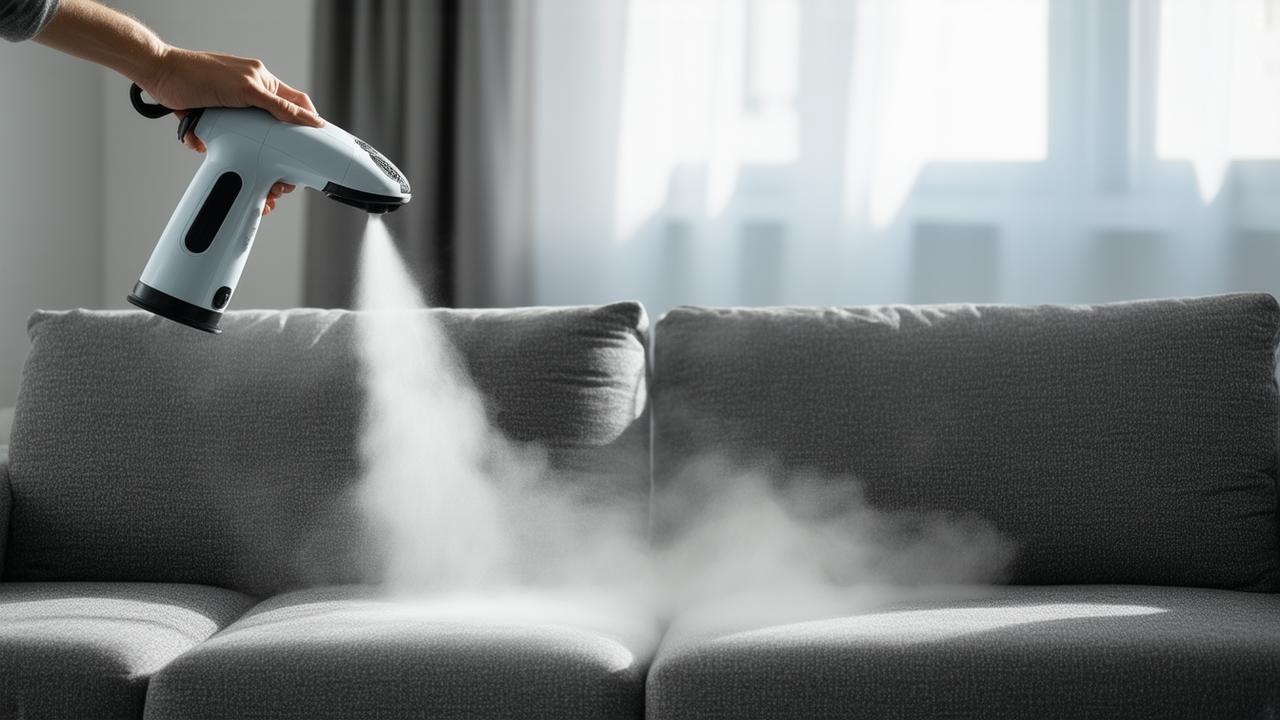
A handheld garment steamer can be surprisingly effective on upholstery and other fabric surfaces—if the care label and material allow it. The heat and moisture from the steam help loosen light grime, relax wrinkles, and nudge out lingering odors. Think of it as giving your fabric a hot, cleansing breath rather than a bath.
- Hold the steamer a few inches away from the fabric.
- Move slowly, in vertical passes, without dwelling too long on one spot.
- Allow plenty of drying time and airflow afterward.
Avoid steam on fabrics that water-spot easily (like some silks) or on anything labeled “dry clean only” without checking a small hidden area first. For many sturdy cottons, polyesters, and blends, it’s a quiet renewal.
➡️ “I feel like I’m always bracing for something”: psychology explains anticipation mode
➡️ By dumping sand into the ocean for more than a decade, China has managed to create entirely new islands from scratch
➡️ “No one explained how to do it”: their firewood stored for months was actually unusable
➡️ “This slow cooker meal is what I start in the morning when I know the day will be long”
➡️ A quick and natural way to make any room smell fresh, without using sprays or scented candles
➡️ A Nobel Prize winning physicist says Elon Musk and Bill Gates are right about the future, with far more free time but fewer traditional jobs
➡️ 8 phrases deeply selfish people often say without realising it
Baking Soda as a Fabric Detox
For soft surfaces like sofas, mattresses, or thick upholstery, baking soda works like a slow, patient detox. Sprinkle a light, even dusting over the surface—just enough to look like a faint powdered sugar veil. Let it sit for at least 15–30 minutes, longer if the smell is stubborn. During this time, the soda is pulling odors away from the fibers.
Then, vacuum thoroughly with an upholstery attachment, passing slowly and in overlapping lines. When done well, the fabric feels surprisingly refreshed, not perfumed, just less burdened. Avoid this method on very delicate or dark fabrics that might show powder traces; always test in a corner first.
Habits that Keep Fabrics Fresh Longer
Some of the most powerful fabric-care techniques don’t involve touching the fabric at all; they involve changing the way you live around it. It’s the small patterns that either protect or burden your upholstery, curtains, cushions, and car seats.
- Rotate cushions and throws. Turn and flip them regularly so wear, body oils, and sun exposure are shared, not concentrated in one favorite spot.
- Set quiet “no food” zones. Even if it’s just one chair or one part of the couch that’s kept crumb-free, you’ll have a reliably fresher patch of fabric.
- Let clothes cool down. After exercising or spending time in smoky or heavily scented places, don’t collapse straight into your best armchair. Give your clothes a moment on a hook or in the laundry basket first.
- Use throws as a shield. A washable throw draped over a beloved sofa spot takes the brunt of daily life. The throw can go into the machine; the sofa doesn’t have to.
- Mind indoor humidity. Consistently damp air invites mustiness. A dehumidifier, or just better ventilation, can dramatically change how fabrics smell over time.
These aren’t rules so much as gentle agreements you make with your space. The less you ask your fabrics to endure, the less dramatic your rescue missions need to be.
When “Fresh Enough” Is the Goal
There’s a quiet comfort in accepting that some fabrics will never smell like they did fresh out of the packaging. They’ve traveled with you now. They’ve held the weight of your tired evenings, the warmth of your pets, the stray spill from movie night. Expecting them to return to “brand new” is like asking a well-loved book to crack open without showing any creases.
Keeping fabric surfaces fresh without washing them is really about staying in conversation with them. Letting air thread its way through the cushions. Listening for the moment when dust starts to settle and lifting it away before it hardens into dullness. Choosing light mist over soaking, steaming over scrubbing, and prevention over panic.
On another quiet evening, perhaps on the same armchair by the window, you might lean back, inhale, and notice something subtle. Not a scent, exactly. More like the absence of annoyance. The air feels easier. The fabric feels cared for. And you realize your home doesn’t have to smell like a bottle to feel clean; it just has to smell like a place where someone is paying gentle attention.
FAQ
How often should I refresh fabric surfaces if I’m not washing them?
Light maintenance like vacuuming and airing out can be done weekly or biweekly for frequently used items, such as sofas and armchairs. Deeper refresh methods—like baking soda treatments or steaming—are usually enough once a month, or whenever you start to notice a lingering smell.
Can I use essential oils directly on my sofa or cushions?
It’s better not to apply essential oils directly. They’re concentrated and can stain fabrics or irritate skin. Always dilute them heavily in water (and test first), and use a fine mist sprayed from a distance, allowing droplets to drift rather than soak in.
Is baking soda safe for all fabrics?
No. Baking soda is generally safe for sturdy materials like many upholstery fabrics and carpets, but it can be tricky on very dark, delicate, or glossy materials. Always do a small test patch in a hidden area and vacuum thoroughly afterward to remove all residue.
What if my fabric still smells after airing, vacuuming, and baking soda?
If a smell persists, it may be deeper than surface level—like absorbed pet urine, heavy smoke, or spilled liquids that have soaked into padding. At that point, professional cleaning or, if possible, removing and washing covers is usually necessary. Surface methods can’t fully fix deeply soaked odors.
Are commercial fabric refresh sprays safe to use regularly?
Many are safe when used as directed, but frequent heavy use can leave residue and strong fragrance buildup. If you use them, choose lighter formulas, apply sparingly, and combine them with regular airing and vacuuming rather than relying on sprays alone. Always check the fabric care label first.





