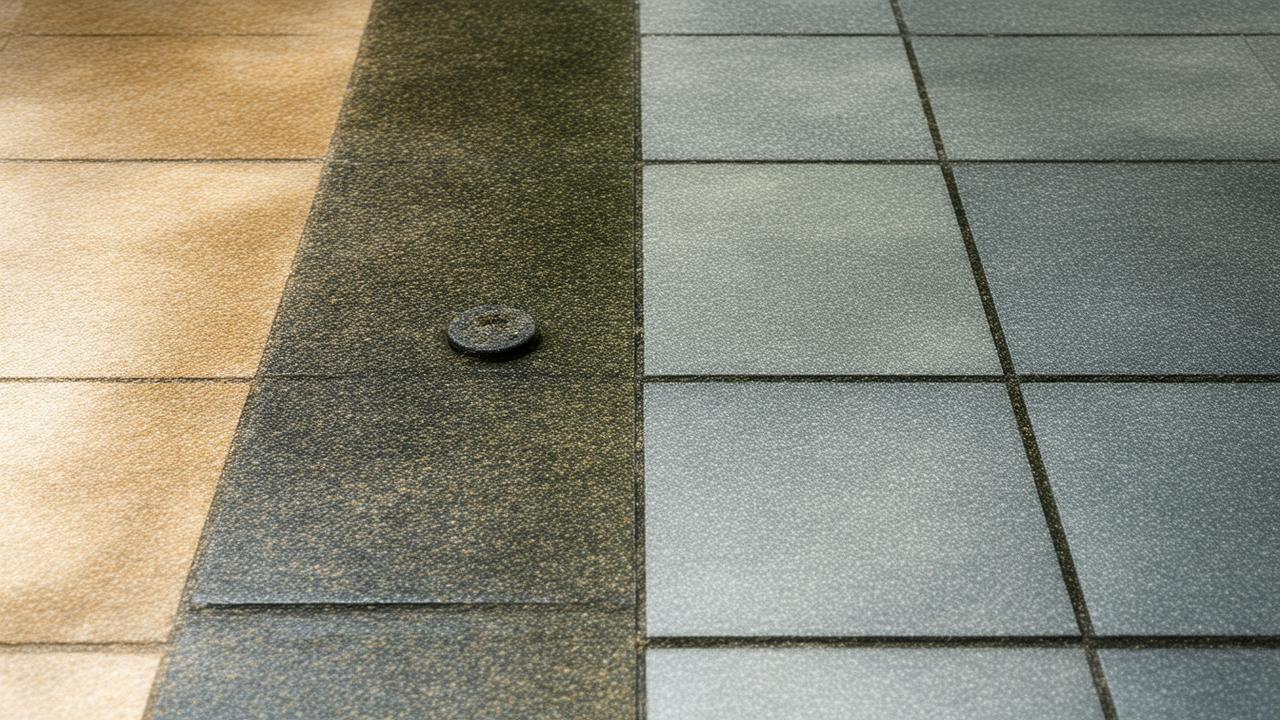
The first time I noticed the patio had turned almost black, it was a late Sunday afternoon. The sun was low, the garden smelled faintly of damp soil and rosemary, and there it was: the once-pale paving stones now wearing a film of grime, algae, and old rain. It made the whole place feel tired, like a forgotten corner of the yard rather than the heart of it. Maybe your patio or garden paths look the same right now—dull, dark, a little slippery in the corners. And maybe you’ve been quietly ignoring it because the idea of scrubbing on your knees or renting a pressure washer sounds like the opposite of a peaceful weekend.
You don’t need to do any of that.
Cleaning a blackened patio and garden path can be surprisingly gentle, quiet work—almost lazy, even—if you let simple methods and a bit of time do most of the heavy lifting. Think more “slow coffee on the steps while things soak” and less “sweating over harsh chemicals.”
The Quiet Power of Letting Things Soak
Walk out onto your patio and really look at the stones. Run your fingers across the surface. That dark film you feel isn’t just dirt; it’s often a mix of algae, mildew, pollution, and decomposed leaves, woven into the tiny pores of the paving. The instinct is to attack it with force—hard brushes, jet washers, caustic cleaners—but there’s another way that leans into patience rather than power.
Water, a mild cleaner, and time can break down that stubborn layer with almost no effort from you. The trick is to let the cleaning solution sit long enough to loosen the grip of the grime, then simply rinse it away. You become less of a scrubber and more of a supervisor. While you watch the birds hop along the fence or listen to a kettle hum from the kitchen, the solution is quietly doing its work.
The most satisfying part is how low-tech it all is. A watering can instead of a pressure washer. A soft brush instead of a stiff wire scourer. These slower methods are gentler on your paving, gentler on the soil and plants nearby, and gentler on you. And they can be surprisingly effective at revealing stone that you may not have seen clearly for years.
The Three Simple Ingredients That Do Almost Everything
If you imagine a cupboard of specialist patio-cleaning products, you can probably close that mental door again. You may already own most of what you need. For blackened patios and paths, three simple ingredients cover nearly every situation: warm water, a mild detergent or soap, and ordinary white vinegar (with a little baking soda for the really stubborn areas).
| Ingredient | Best For | How Effortless It Is |
|---|---|---|
| Warm water + mild dish soap | General grime, food stains, light blackening | Very easy – light brushing at most |
| White vinegar + water (1:1) | Algae, mildew film, slippery green/black patches | Easy – spray, soak, rinse |
| Baking soda paste (with water or vinegar) | Stubborn dark spots, crevices, corners | Moderate – dab on, brief scrub if needed |
The key to “almost no effort” lies in how you use these ingredients, not how hard you work with them. Instead of scrubbing immediately, you soak, wait, and let chemistry do the pressing and loosening. The transformation from black to clean happens gradually, a little like watching old film colors return during restoration.
Mixing Gentle Solutions That Actually Work
Start with the mildest option. This keeps your garden happier and your paving safer from damage.
For everyday blackened patios:
- Fill a bucket or watering can with warm (not boiling) water.
- Add a small squeeze of gentle dish soap or liquid castile soap.
- Give it a swish. That’s it.
Pour or spray this soapy water over a small section of your patio, enough that the stones look visibly wet but not flooded. Then walk away. Let it sit for 10–20 minutes while you potter about—deadhead a few flowers, tidy a corner of the shed, or simply wander the garden with a mug in hand.
For darker, slimy, or long-neglected areas:
- Mix equal parts white vinegar and water in a watering can or spray bottle.
- Apply to the blackened areas, especially where it looks slippery or green-black.
- Leave it for 20–30 minutes (longer on cooler days).
The vinegar won’t smell wonderful, but the moment you rinse, the sharpness fades, leaving the air cleaner and the stone lighter. If you’re worried about delicate plants right at the edge of the path, simply splash a little clean water on them before and after to dilute any stray drops.
How to Let the Patio Clean Itself While You Watch the Sky
One of the biggest shifts in cleaning a blackened patio with almost no effort is accepting that “waiting” is part of the method. You’re not being lazy; you’re letting the solution quietly infiltrate the film of algae and dirt.
Step 1: A Simple Sweep That Makes Everything Easier
Begin with a soft, slow sweep. Dry leaves crackle, old petals skitter away, and dust lifts in pale clouds. This isn’t about making the patio perfect; it’s just clearing the way so your cleaning mix touches the stone instead of being blocked by a mat of debris. A simple yard brush or broom is enough.
Step 2: Soak and Walk Away
Pick a small area—perhaps one square meter. Douse it gently with your chosen mixture. Watch as the wetness darkens the stone for a moment, then moves slowly into the cracks and joints. Now turn your back and let time quietly do the work. The surfactants in the soap or the acidity of the vinegar begin loosening the microscopic bonds between the grime and the stone. You might see faint bubbles, or a soft cloudiness forming on the surface: that’s the dirt letting go.
Step 3: A Lazy Brush and a Gentle Rinse
Once the solution has had time to work, come back with a soft or medium-bristle brush. You don’t need to attack it. A few lazy strokes back and forth, just enough to disturb the loosened layer, is usually plenty. Then rinse with a watering can, hose on a gentle setting, or even a couple of buckets of clean water.
As the rinse water runs away, watch the color shift—the pale, truer shade of the stone following in its wake. It’s oddly calming, like washing paint off a brush and seeing clear water return. Work in small sections and you’ll find the job feels much less like a “big chore” and more like a series of short, satisfying tasks broken by pauses.
Targeting the Stubborn Black Corners and Green Film
Every patio has its trouble spots: the shady corner where moss loves to gather, the path beneath the dripping gutter, the narrow strips between paving stones. These areas often look almost permanently black, and they’re the reason many people assume they need powerful chemicals or heavy machinery.
Baking Soda for Dark, Ground-In Patches
For those deep-black, slightly rough-feeling patches, baking soda is your quiet ally. It adds a gentle abrasiveness without scratching the stone, especially useful on concrete, brick, and many pavers.
- Sprinkle baking soda over the damp, blackened patch.
- Lightly mist it with water or vinegar until it turns into a paste.
- Walk away for 15–20 minutes.
When you return, use a brush with light pressure. You’ll feel the surface slightly resisting, then softening, as the paste lifts the grime. Rinse, and note how the blackness has faded to grey or disappeared entirely. You can repeat on the worst patches, but even one treatment often makes a surprising difference.
Dealing with Slippery Green or Black Algae
Algae is less about looks and more about safety—slippery stone underfoot turns a peaceful morning walk into a risky slide. Vinegar is particularly good here, especially if you time it for a dry day so it can sit longer without being washed away by the next shower.
➡️ France suffers a €3.2 billion blow as a last-minute reversal kills a major Rafale fighter jet deal
➡️ Neither boiled nor raw : the best way to cook broccoli for maximum antioxidant vitamins
➡️ France turns its back on the US and drops €1.1 billion on a European detection “monster” with 550 km reach
➡️ Day will turn to night during the longest total solar eclipse of the century occurring across regions
➡️ No more duvets in 2026? The chic, comfy and practical alternative taking over French homes
➡️ Seniors behind the wheel: will licenses be pulled automatically after 70 from ?
➡️ Goodbye kitchen cabinets: the cheaper new trend that won’t warp, swell, or go mouldy over time
- Apply your 1:1 vinegar and water mix generously to the slippery areas.
- Leave it at least 30 minutes; in cool, shaded places, an hour is even better.
- Give the area a light brush and rinse thoroughly.
The stone should feel rougher underfoot again, the slime gone. On wooden garden steps, use an even milder solution—but the same gentle, soak-first approach works beautifully.
Keeping It Clean with Almost No Extra Work
Once your patio and paths are back to their proper color, keeping them that way doesn’t require a strict maintenance regime. Instead, you build small, almost invisible habits into your time outside.
The “Two-Minute” After-Rain Ritual
After a heavy rain, step outside with a broom. The air will smell of wet soil and leaves, and your paving will be darkened but clean-looking. This is the perfect moment for a quick, two-minute sweep to push away any pooling water, leaves, or petals. Standing water and organic matter are what encourage that black film to grow back fast. Move them away, and the stone dries more quickly, staying lighter for longer.
A Monthly Gentle Rinse Instead of a Yearly Deep Clean
Instead of one exhausting annual battle with a filthy patio, choose a light monthly ritual. On a mild day:
- Give the patio a quick sweep.
- Slosh over a watered-down soapy mix or vinegar solution.
- Leave it for the time it takes to make and drink a cup of tea.
- Rinse lightly.
These gentle “micro-cleans” prevent deep blackening from taking hold and make every visit to the garden feel more inviting. The work never feels overwhelming, because it never gets that bad again.
When to Avoid the Hard Stuff (and Why You’ll Be Glad You Did)
It can be tempting to reach for harsh chemicals or a pressure washer that howls like a jet engine. They promise instant results, but the cost can be high: etched stone, damaged pointing between slabs, splashed plants, and, in some cases, surfaces that actually get dirtier quicker because their texture has been roughened.
The low-effort methods above protect not just your energy but also the materials under your feet. Soft stone, old bricks, and delicate grouting all last longer when handled gently. Plants growing at the edge of the path—thyme, violas, mosses—will thank you silently by continuing to spill charmingly over the edges instead of turning brown and burned.
In time, you begin to see cleaning not as a separate, punishing task, but as part of the rhythm of being in the garden: a little sweeping as the kettle boils, a vinegar soak while you prune, a lazy rinse before you sit down with a book. The patio quietly shifts from blackened and tired to soft, pale, and welcoming—your own stone stage for breakfast, gatherings, or simply bare feet on cool slabs at dusk.
FAQ
How often should I clean a blackened patio or path?
For very blackened surfaces, give them a thorough soak-and-rinse clean once, then move to a light monthly clean. After that, small touch-ups every few weeks are usually enough to keep the stone from darkening again.
Will vinegar damage my paving stones?
On most concrete, brick, and many paving stones, a diluted vinegar solution (1:1 with water) used occasionally is safe. Avoid using strong vinegar solutions repeatedly on very soft or decorative stone, and always test a small, inconspicuous area first.
Is this safe for pets and wildlife?
Mild dish soap, baking soda, and diluted vinegar are generally gentle options when used sensibly and rinsed well. Keep pets off the area until it’s fully dry, and avoid creating puddles of strong solutions where birds might drink.
Do I really not need a pressure washer?
You can restore a blackened patio remarkably well with soaking, simple solutions, and light brushing. A pressure washer can be useful occasionally, but it’s not necessary for most routine cleaning, and avoiding it reduces damage risk to pointing and softer stones.
What if my patio is still black after one clean?
Very old, neglected, or deeply stained patios may need two or three gentle cleaning rounds. Focus on soaking and loosening rather than scrubbing harder. Each pass usually lightens the stone further without extra effort from you.





