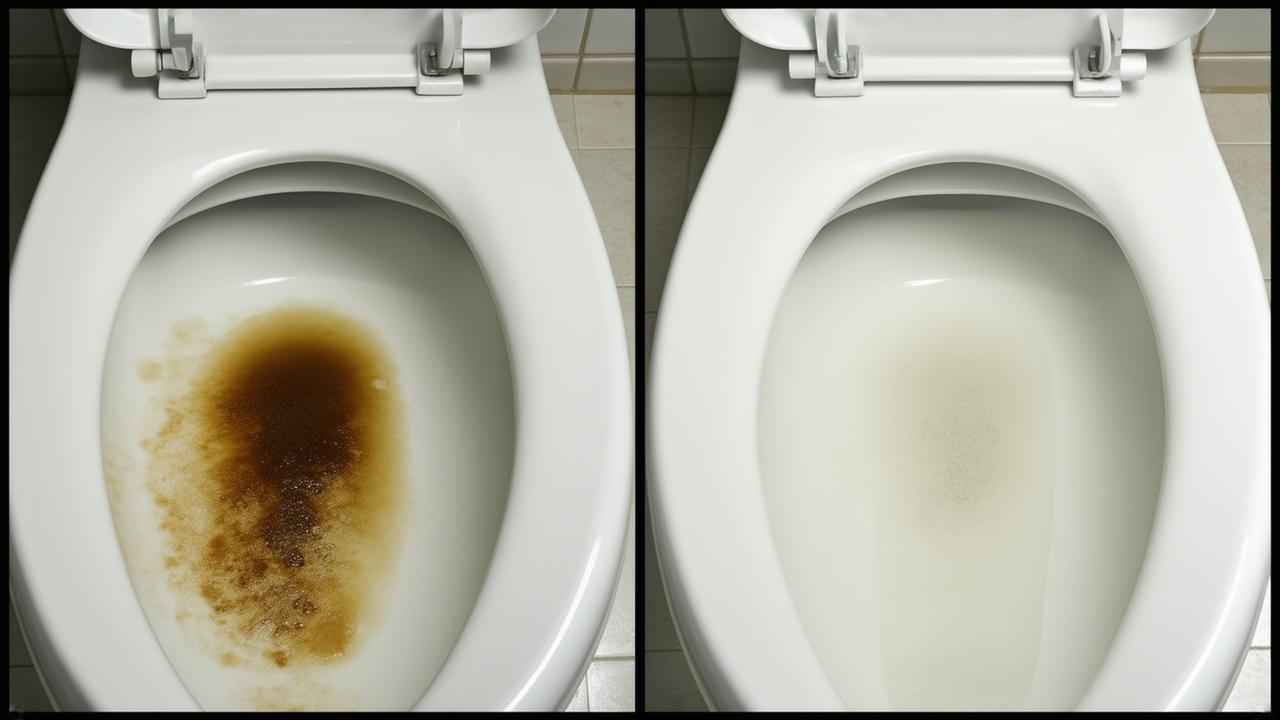
The first time you notice it, you almost look away. That dull ring around the toilet bowl that never quite disappears, no matter how fiercely you scrub. The grayish glaze on the sink that used to shine like a river stone in sunlight. The bathroom you once loved has slipped—quietly, gradually—from fresh to tired. Yet there’s a curious sort of hope in that moment too, the sense that maybe, just maybe, you don’t need a full renovation or a shopping cart full of harsh chemicals. Maybe all it takes is half a glass of something simple, a few smart tricks, and the willingness to look a little closer.
The Secret Life of Stains
If you listen closely, an old bathroom tells stories. Mineral stains whisper of hard water sliding, day after day, through pipes and porcelain. Rust blooms where the tiniest crack let moisture linger. A faint yellowish hue curls along the waterline of the toilet like dried sea foam. These aren’t signs of neglect as much as evidence of time doing what time always does: settling in.
We’re used to thinking the answer is force—industrial cleaners, choking fumes, the sting at the back of your nose as you pour something neon blue into the bowl. But some of the most reliable remedies begin in a quieter place: the pantry shelf, the forgotten corner of the cleaning cupboard, the citrus that has already surrendered its juice for last night’s dinner.
“Just half a glass is enough,” an older neighbor once said, nodding knowingly when asked how she kept her sink so bright. At first, it sounded like a riddle. Half a glass of what? Vinegar? Baking soda? Lemon juice? The truth is, there isn’t just one half-glass miracle, but a handful of them—and they all work in their own gentle, surprising way.
Half a Glass of Patience: Vinegar’s Quiet Magic
Open the bathroom window. Let in a thin stripe of daylight, a little breeze if the day allows. You’ll want fresh air for this, not because vinegar is dangerous—it isn’t—but because its tang is sharp and insistent, like the smell of a pickle jar cracking open.
Measure out half a glass of plain white vinegar. It doesn’t have to be special or expensive. Give it a small swirl in the cup. This simple liquid is acetic acid, a humble but determined ally against mineral deposits and soap scum. Pour it slowly along the inner rim of the toilet bowl, letting it seep into the curves and creases where stains like to cling. As it slides downward, it will begin loosening the limescale that scrubbing alone can’t quite reach.
Then comes the hardest part: do nothing. Walk away. Leave it for at least 30 minutes, an hour if you can spare it. The smell will soften with time, and the vinegar will keep working. When you return, arm yourself with a toilet brush—not the old flimsy one whose bristles have surrendered, but something with backbone. You’ll feel the difference as you scrub; the brush glides more easily, the resistant ring giving way in shreds and curls of dissolved mineral buildup. One flush later, the water settles clear, and the bowl looks less like a tired relic and more like something you wouldn’t mind showing off.
This same half glass of vinegar, diluted with an equal measure of water, can do gentle wonders on the sink and bathtub too. Spray or sponge it over the surface, let it sit like a quiet spell, then wipe with a soft cloth. Under your hand, the chalky resistance fades. What’s left is a surface that feels not just cleaner, but calmer—like a slate wiped smooth.
Half a Glass of Alchemy: Baking Soda, Lemon, and a Little Drama
Sometimes a bathroom needs a bit of theater. The fizz of baking soda meeting acid, the hiss of microscopic bubbles loosening grime. It’s chemistry class, but with better lighting and tidier results.
Take half a glass of baking soda and sprinkle it generously into the toilet bowl, especially along stubborn stains. Then, slowly pour in half a glass of vinegar. The mixture starts to froth and churn, a lively little storm of carbon dioxide bubbles rising to the surface. That fizz is not just for show; it’s lifting mineral deposits and organic stains from the porcelain, breaking the bond between grime and surface.
Close the lid and let the reaction play out for about 20–30 minutes. When you return, a quick scrub will usually be enough to erase marks you thought were permanent. Standing there with the brush in your hand, you may feel a small jolt of satisfaction at how effortless it suddenly seems.
For sinks and basins, baking soda does double duty as a gentle abrasive. Dampen the surface, scatter a light veil of baking soda, and then rub with half a lemon, cut side down. The citrus oils and natural acids blend with the fine grit of the soda, creating a paste that smells like a summer orchard but scrubs like a pro. The stain line around the drain, the dull patch where soap and toothpaste have collected—these start to fade, revealing the original gloss beneath.
Rinse with warm water and run your fingers over the surface. There’s a softness to clean porcelain, a barely-there friction that catches the pad of your fingertip. It feels renewed, but not stripped or scratched.
Half a Glass of Brightness: Hydrogen Peroxide and Little Miracles
There are some stains that look like they’ve sunk roots. Grayish shadows in the bottom of the toilet bowl, faint but persistent discoloration on an old ceramic sink, hairline cracks that have darkened with years of use. For these, you might turn to another quiet ally: hydrogen peroxide.
Pour half a glass of 3% hydrogen peroxide into the toilet bowl, ideally after you’ve done a vinegar or baking soda treatment. Think of this as polishing the story you’ve already begun. Swish it around with the brush, then leave it to rest for about 20 minutes. Peroxide is a mild bleaching and disinfecting agent; it doesn’t roar like chlorine, but it brightens in a way that feels almost gentle. When you flush, some of that lingering dullness lifts, replaced by a cleaner, lighter tone.
On stubborn stains in sinks or on ceramic shelves, you can soak a cotton pad or cloth with peroxide and press it directly on the spot. Cover it with a bit of plastic wrap to keep it from evaporating too quickly, and leave it for an hour or two. When you peel it back, the mark won’t always be entirely gone, but it will almost always be softened, blurred, less of an accusation and more of a whisper.
It’s in these small changes that old sanitary ware regains dignity. You don’t erase every chapter of its history; you simply help it stand a little taller.
Half a Glass of Habit: Small Rituals, Big Transformations
One of the overlooked truths about bathrooms is that they respond best not to rare, desperate deep cleans, but to regular, almost ceremonial care. When you turn cleaning into a ritual instead of a chore, the room itself seems to exhale.
Imagine this as a weekly rhythm: once a week, you dedicate just a few minutes to a “half-glass session.” One week, it’s vinegar in the toilet bowl; the next, a baking soda and lemon scrub for the sink. Perhaps on a quiet Sunday morning, you pour half a glass of vinegar into the cistern (if your fixtures allow it) and let it soak for an hour before flushing to discourage limescale from forming in the hidden areas, the places you never see but always rely on.
You might keep a small tray beneath the bathroom sink with your gentle arsenal: a bottle of vinegar, a jar of baking soda, a little spray bottle of diluted peroxide, a pair of gloves, a sponge that knows this room and no other. With everything in reach, the barrier to starting shrinks. Cleaning becomes less about dragging yourself into duty and more about tending to a space that holds some of your quietest moments.
➡️ Bad news : a 135 fine will apply to gardeners using rainwater without authorization starting February 3
➡️ Legendary rock band retires after 50 years “the hit everyone knows” end of era
➡️ Gen Z Is Losing A Skill Humans Have Used For 5,500 Years: 40% Are Letting Handwriting — And Deeper Communication — Slip Away
➡️ Why listening to physical signals can prevent mental exhaustion
➡️ This small adjustment helps reduce the feeling of bodily overload
➡️ What it means psychologically when you avoid talking about yourself, even when asked
➡️ I noticed my stress dropped once my cleaning goals became realistic
In that rhythm, old porcelain stops feeling like a problem and starts feeling like a companion—aged, yes, but still capable of shining.
Quick Reference: Half-Glass Tricks at a Glance
| Ingredient | Use | How Much | Contact Time |
|---|---|---|---|
| White vinegar | Limescale and mineral stains in toilet and sink | ½ glass, poured around rim or diluted 1:1 with water | 30–60 minutes |
| Baking soda + vinegar | Stubborn toilet bowl rings and buildup | ½ glass baking soda, ½ glass vinegar | 20–30 minutes before scrubbing |
| Baking soda + lemon | Dull sinks, soap scum, light stains | Thin layer of baking soda + ½ lemon as scrubber | Scrub then rinse immediately |
| Hydrogen peroxide (3%) | Light discoloration, hygienic brightening | ½ glass in bowl or soaked pads on stains | 20–120 minutes, depending on stain |
Half a Glass of Respect: Caring for Age Without Erasing It
There’s a temptation, when faced with something old, to want it either brand new or gone. But not every bathroom needs replacing; many only need understanding. The faint hairline cracks in a vintage sink, the slightly uneven glaze on an old toilet bowl—these are the wrinkles of an object that has lived alongside you or someone before you.
Harsh chemicals can strip not only stains but also the soul of older ceramic and porcelain. Acid too strong or bleaches too concentrated can roughen the surface, making it more porous, more likely to harbor new grime and discoloration. You win the battle but lose the long war. Gentler methods—the half-glass rituals—ask you to work with the material instead of against it.
Before you reach for anything aggressive, take a quiet inventory. Run your hand along the rim of the sink. Listen to the creak of the toilet seat, the sound of water filling the tank. Notice the way light pools on the tiles at dusk. You’re not just maintaining a fixture; you’re caring for a small stage where countless daily scenes unfold—late-night teeth brushing, hurried morning routines, silent moments staring at your reflection, deciding what kind of day it’s going to be.
In those moments of attention, the bathroom shifts from purely functional to almost intimate. Half a glass of this, half a glass of that—these aren’t just cleaning tricks. They’re gestures of respect to the quiet, hard-working corners of your home.
Frequently Asked Questions
How often should I use vinegar in my toilet bowl?
Using half a glass of vinegar in the toilet bowl once a week is usually enough to prevent limescale and keep stains from settling in. If you have very hard water, you can repeat this twice a week.
Will vinegar or baking soda damage old porcelain or ceramic?
Used in normal household quantities, vinegar and baking soda are generally safe for glazed porcelain and ceramic. Avoid extremely long soaks on damaged or cracked surfaces, and always rinse well afterward.
Can I mix hydrogen peroxide and vinegar together?
It’s best not to mix them in the same container. Used one after the other with a rinse in between is fine, but combining them creates peracetic acid, which can be irritating to skin and lungs.
What if the stains don’t disappear after one treatment?
Some deeply set stains may need several rounds of gentle cleaning instead of one intense effort. Repeat the half-glass methods over a few days, combining soaking and scrubbing, rather than resorting immediately to harsh chemicals.
Are these methods safe for septic systems?
In typical household amounts, vinegar, baking soda, and diluted hydrogen peroxide are generally considered septic-friendly, especially compared with heavy-duty chemical cleaners. Still, moderation is key—regular small doses are better than infrequent large ones.
Can I use lemon juice instead of vinegar?
Yes. Lemon juice also contains natural acids that help dissolve mineral deposits and brighten surfaces. It’s often more pleasant-smelling than vinegar, though typically a bit more expensive. You can use it in similar ways, especially for sinks and taps.
When is it time to replace instead of restore?
If there are deep structural cracks, leaks, badly worn glazing, or recurring issues that cleaning can’t touch—like constant seepage, wobbling fixtures, or exposed metal rusting through—then replacement may be safer and more economical in the long run. Cleaning can restore beauty, but it can’t fix serious damage.





