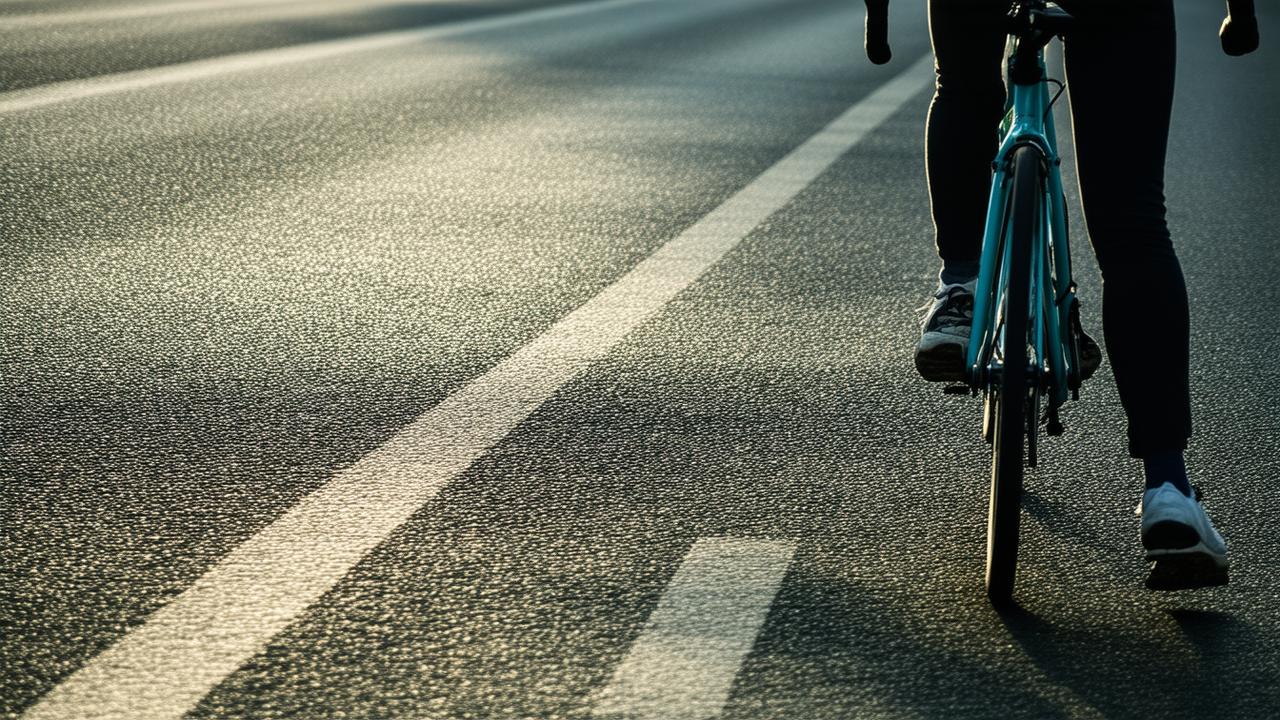
The morning rush doesn’t sound like it used to. Fewer muffled engine roars. More whirring chains, the soft click of gear shifts, and the low hum of rubber on pavement. On a cool weekday sunrise, when a pale gold light spills across the city, you can stand on a corner and watch it unfold: a quiet parade of people on two wheels, gliding past like a slow current. Some ride old steel frames, paint chipped and stubborn. Others pedal sleek commuters with hidden batteries and built-in lights. A delivery rider balances a box almost as wide as his shoulders. A mother tows a bright yellow trailer with a toddler in a helmet shaped like a tiny blue shark. They share something, all of them: the decision to trade fuel for muscle, exhaust for breath, and congestion for a different kind of motion.
The Quiet Rebellion at the Gas Pump
For many, the first push toward the bike lane began somewhere very specific: at the gas station. Under the harsh fluorescent glow, standing beside a humming pump, people watched the digits climb as if someone else were spinning the numbers out of reach. There’s a particular sting to filling a tank you know will need feeding again in only a few days—especially when every commute feels like a slow crawl through traffic and frustration.
It’s in that uncomfortable space—between the rising cost of fuel and the sinking feeling in the gut—that a quiet kind of rebellion is forming. People start doing the math. They think about the distance to work, the price of public transport, the lost time in traffic jams. Then the question comes, as simple and disruptive as a bell ringing in a silent room: What if I didn’t have to drive every day?
For some, the answer is a dusty bicycle in the back of the garage. For others, it’s a new purchase: a city bike, an e‑bike, a cargo bike. But a personal decision quickly runs into a public reality: roads that feel hostile, intersections that feel dangerous, and bike lanes that seem to vanish exactly where you most need them. That’s where the story shifts from individual choice to collective change—and where cycling infrastructure quietly takes center stage.
Cities Redrawing Their Streets
You notice it first as a fresh stripe of paint. Then a new row of chunky, bright bollards that separate the bikes from the speeding cars. Maybe a concrete curb appears where there used to be only a gutter and a wish. An old parking lane disappears, replaced by two thin rivers of color running side by side: one for bikes going in, one for bikes heading out.
In city after city, municipal planners are getting a flood of signals they can’t ignore: bike shop sales climbing, bike parking racks overflowing, petitions for safer routes landing in council inboxes. When fuel prices spike, there’s a surge. When people taste what it’s like to glide past a lineup of idling cars on a protected lane, many of them don’t want to go back.
Urban design, once rigidly car-centric, is bending—sometimes reluctantly, sometimes boldly. Pop-up bike lanes, born as quick experiments using traffic cones and temporary signs, are turning into permanent corridors made of concrete and paint. Bridges once ruled by honking cars are getting dedicated bike tracks. Old rail lines become greenways. Parking lots transform into mobility hubs where a person can lock a bike, switch to a tram, or pick up a shared e‑scooter.
The result is subtle yet transformative: the city begins to feel smaller, not in a limiting way, but in a more reachable one. Places that seemed too far to bike now sit inside a new mental map, drawn in sweat and spin instead of liters and mileage.
How It Feels to Ride in a City That’s Finally Paying Attention
Riding a bike through a city designed for cars is like tiptoeing through a crowded living room while a loud party rages around you. Riding through a city that has taken cycling seriously feels entirely different. The sounds shift. The tension in your shoulders eases. You no longer flinch at every passing truck.
On a protected lane, framed by a low barrier on one side and a strip of young trees on the other, everything slows down just enough to notice. You can smell the bakery that opens at dawn, see steam rising from a manhole cover, catch the laughter of kids walking to school. Wind works its way through your clothes with a gentle insistence, waking you up in a way no air-conditioned car cabin ever could.
It’s not only the experienced riders out here. You see someone pedaling cautiously, shoulders stiff, scanning every intersection; the nervous energy of a new commuter learning the rhythm of lights and crossings. There’s an older couple sharing an e‑bike, the passenger holding a cloth bag carefully against her chest as if it were a delicate treasure. A teenager races past with a backpack slung low, convinced he’s late, though he probably isn’t.
This every-day choreography only emerges where infrastructure gives it room. A painted line alone is a fragile promise. A raised lane, well-marked intersections, bike-specific traffic signals, and clear signage turn that promise into lived reality. It is, in the end, about more than transportation: it’s about how safe a parent feels letting their child ride to school, and how possible it is for someone without a car—or without the means to keep feeding one—to move through their own city with dignity and ease.
Counting the Costs and the Quiet Rewards
Economists like numbers, and cycling delivers plenty to measure: reduced fuel consumption, health savings, fewer sick days, lower infrastructure maintenance compared to heavy vehicle traffic. But there are also harder-to-quantify rewards that people feel in their bones, even if they never write them down.
A commuter who switches from car to bike a few days a week notices certain small miracles: the gas station becomes a rarer stop; the monthly fuel bill shrinks. That low-grade dread of the daily commute loosens. Instead of sitting motionless in a queue of vehicles, staring at a bumper sticker, they move through air and weather and light.
For all its romance, cycling is also deeply practical. To understand the trade-offs many people are making, it helps to lay them out clearly:
| Aspect | Car Commute | Bike Commute |
|---|---|---|
| Daily Fuel / Energy Cost | High, sensitive to fuel prices | Low; mainly food (and minor e‑bike charging) |
| Infrastructure Needs | Wide roads, extensive parking | Bike lanes, racks, protected paths |
| Health Impact | Sedentary, stress from traffic | Cardio exercise, stress relief for many riders |
| Commute Experience | Traffic jams, parking search | Variable weather, more sensory, often more predictable time |
| Environmental Footprint | High emissions per kilometer | Near-zero emissions in use |
These contrasts are starting to show up in city budgets and national policies. When leaders look at the long view, bike infrastructure stops being a niche amenity and becomes a cost-saving strategy, a climate action tool, and a public health policy all in one modest strip of asphalt.
E‑Bikes, Cargo Bikes, and the Stretching of Possibility
The old caricature of the cyclist—sporty, Lycra-clad, with calves like sculpted marble—is fading. In its place, a more varied and practical cast rolls into view, powered in part by new technologies. E‑bikes flatten hills and extend distances, quietly erasing some of the most stubborn excuses for not riding. Those who once said, “It’s too far,” or “I’ll arrive drenched in sweat,” now glide along with a barely audible whirr, legs spinning but not straining.
Cargo bikes, with their long frames and wide boxes or rear platforms, have become the unofficial mascots of the new commuting era. You see them ferrying kids to daycare, moving groceries, even hauling tools and deliveries that once demanded a van. On a crisp afternoon, you might spot a carpenter pedaling a sturdy cargo bike, toolboxes lashed down, skipping every traffic jam.
But technology alone doesn’t win over hesitant riders. Infrastructure completes the equation. A parent is far more likely to consider a cargo bike instead of a second car if the route to school is buffered and predictable. Someone thinking about investing in an e‑bike to cover a 15‑kilometer commute wants to know they won’t have to merge with trucks on a high-speed corridor.
In this way, each new piece of cycling infrastructure does double duty: it supports today’s riders and invites tomorrow’s. A freshly built protected lane whispers to the car-dependent worker, You could do this. Not every day, perhaps—but some days. As fuel prices rise and budgets tighten, that whisper grows louder.
From Commute to Connection
Something else happens when bikes show up in large numbers: the city starts to feel more human-sized. People make eye contact at red lights. They chat while waiting for a green signal, trading comments about the weather or the new café on the corner. The commute becomes less of a sealed-off interval and more of a movable, daily conversation with the place you live.
➡️ A surge in tradie shortages is slowing renovations and pushing quotes higher nationwide
➡️ Bushfire recovery work is revealing how quickly native forests can regenerate after extreme heat
➡️ Supermarket loyalty programs are becoming a battleground for privacy and consumer trust
➡️ Weekend road trips are rebounding as families seek cheaper holidays closer to home
➡️ Solar panels are flooding rooftops but grid bottlenecks are slowing full benefits
➡️ School lunchboxes are changing as parents prioritise protein and lower sugar snacks
➡️ Across Australia scientists are mapping a silent rise in urban heat islands
On a drizzly evening, a line of riders in rain jackets moves through the mist, their lights flickering like a string of slow-moving fireflies. They share the discomfort and the quiet pride of not giving in to the car. On a bright, hot afternoon, they roll in slow motion through slanting shadows, stopping under trees for an extra second of shade.
This kind of connection isn’t sentimental fluff; it matters for how cities function. People who move at a human pace tend to notice things—a broken curb, a dangerous intersection, the way a new tree planting softens a once-harsh street. They become, almost without realizing it, caretakers of the public realm, demanding better because they experience every crack and near-miss up close.
Cycling infrastructure is the quiet stage on which this daily drama of observation and care unfolds. When those lanes exist and feel safe, the city gains thousands of moving witnesses, each with something at stake in how the streets are designed and maintained.
The Road Ahead: More Than a Trend
Right now, the surge in cycling infrastructure can feel like a response to a moment: high fuel prices, economic uncertainty, climate anxiety. But the paint on the pavement, the concrete curbs, the new bridges and underpasses—these are long-term bets. They tell a different story: one in which bikes are not a temporary fix but a permanent, central part of urban life.
Change will not arrive evenly. Some neighborhoods will get gleaming new bike lanes while others still wrestle with cracked shoulders and dangerous junctions. Weather, topography, local politics—all will shape how far and how fast the cycling network grows. Yet the direction feels clear. Every new rider who discovers the ease of crossing a city without touching a gas pedal becomes another voice in favor of keeping—and improving—those lanes.
As the sun sets and the evening commute unfurls, the streets again reveal their shifting priorities. Car headlights stack up at an intersection, white and impatient. Alongside, a stream of cyclists slips through when the light turns green, a soft rush of motion carried on two thin lines of pavement. Somewhere, a city planner sits with a map, pencil hovering, wondering where the next lane should go. Somewhere else, a driver stares at a fuel receipt and thinks, not for the first time, about that old bike in the garage.
The story of cycling infrastructure is not only about roads and budgets and policy. It’s about that moment when a person swings a leg over a bike instead of sliding behind a steering wheel, feels the first push of pedal against foot—and realizes they’re not just saving money on fuel. They’re entering a different kind of city, one that’s slowly, lane by lane, learning to move at the speed of people.
Frequently Asked Questions
Is cycling really cheaper than driving for daily commuting?
For most people, yes. Once you’ve bought a bike and basic gear, the daily cost of commuting by bike is very low compared to paying for fuel, parking, insurance, and maintenance on a car. Even e‑bike charging costs are minimal next to filling a fuel tank.
What kind of cycling infrastructure makes commuting feel safer?
Protected bike lanes separated from traffic, clearly marked intersections, bike-specific traffic signals, good lighting, and secure bike parking all contribute to a safer, more comfortable ride. Simple painted lines help, but physical separation from cars makes the biggest difference.
Do I need to be very fit to start commuting by bike?
No. Many people start with short distances a few days a week and build up gradually. E‑bikes are also expanding access by reducing the effort needed for hills or longer rides, making commuting possible for a broader range of ages and fitness levels.
What about riding in bad weather?
Weather can be a challenge, but good gear helps—such as a waterproof jacket, fenders, and lights. Many commuters ride most of the year and switch to other modes only in extreme conditions. As cycling infrastructure improves, routes often become safer and more comfortable even in rain or cold.
How can I find safe routes in my city?
Check your city’s transport or planning department for cycling maps, look for signs and painted lanes on main streets, and talk to local bike shops or cycling groups. Often, there are quieter parallel streets, greenways, or new protected lanes that don’t appear obvious from a car but work beautifully on a bike.





