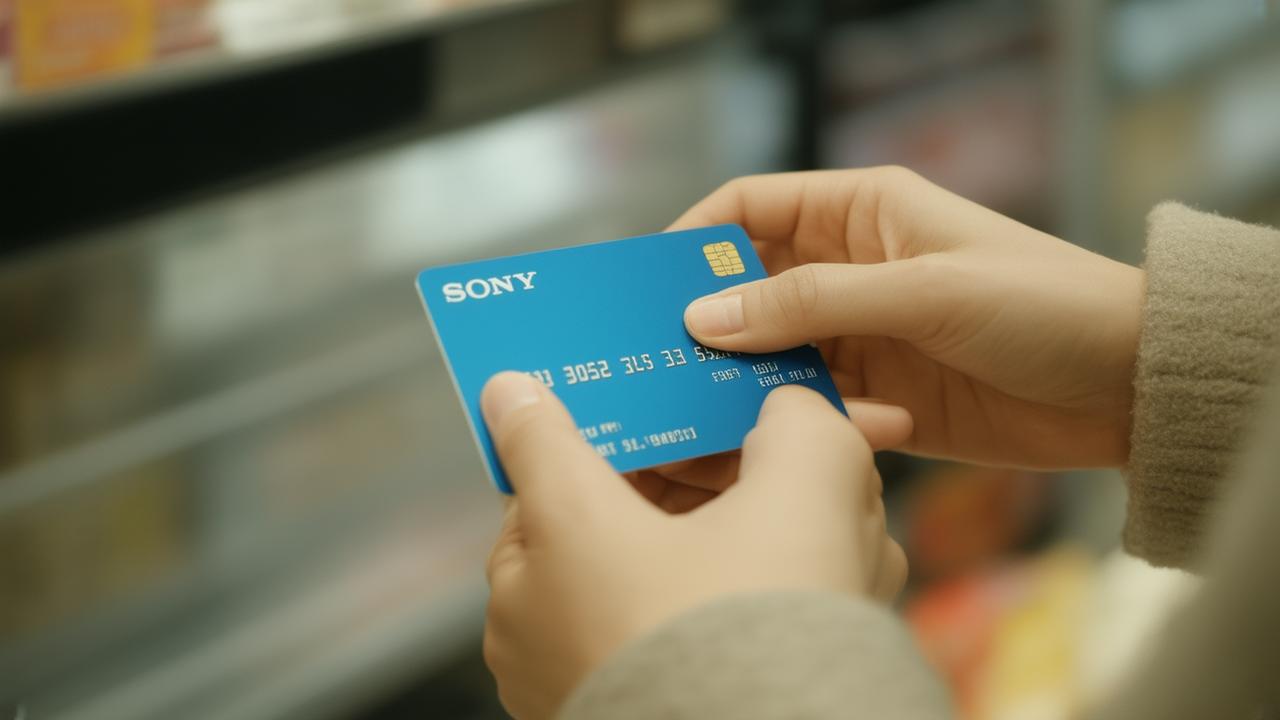
The scanner gives a soft, satisfied beep as your carton of milk slides over the glass. The air smells faintly of oranges and floor cleaner. Behind you, the checkout line shuffles forward in a patient, fluorescent-lit dance. “Do you have a loyalty card with us?” the cashier asks, almost automatically. You do. You fish it out or tap your phone without thinking. A tiny rectangle of plastic, a little barcode on a screen—so ordinary, so harmless. But in that unremarkable moment, a quiet trade is taking place, one that has less to do with discounts and more to do with your life in data form.
The Seduction of the Everyday Discount
It starts with something simple: a few dollars off your favorites, a 2-for-1 on the cereal you love, a little coupon that always seems uncannily relevant. On the surface, supermarket loyalty programs feel like a token of appreciation—thank you for choosing us, here’s a reward. The exchanges are small, nearly invisible. A swipe here, a tap there. You save a bit of money, they get some info on what you like. Fair trade, right?
But step back for a second. Watch yourself from above, moving through those aisles. The cart rolls slowly past a wall of yogurt, your hand hovering over brands, flavors, price tags. Each choice is a data point. Pick the organic? Noted. Grab the cheapest on sale? Noted. Choose lactose-free for the third week in a row? Definitely noted.
Modern loyalty systems are no longer just punch cards or simple discount trackers. They’re detailed behavioral maps. They can tell, with a surprising degree of intimacy, when you tend to shop, how often you treat yourself, if your household might have a baby, if someone in your home follows a specific diet, whether you’re trying to eat healthier or suddenly buying more comfort foods at 11 p.m. That’s the strange magic of it all: the milk and bread and apples in your cart sketch a portrait of you that feels almost… personal.
The seduction lies in how ordinary it feels. The app on your phone chirps with “exclusive offers,” and you feel chosen. You load your digital cart with coupons: a little thrill each time the total at the bottom shrinks. But in the fluorescent glow of that savings high, what you’re really paying with isn’t just time or attention—it’s information, piece by tiny, revealing piece.
From Plastic Cards to Data Shadows
Supermarket loyalty programs used to be modest things. You might collect points for a free turkey at the holidays. Maybe you’d earn a discount on gasoline or redeem credits for a toaster. The data behind it all was fairly blunt: how much you spent, roughly how often you came in.
Now, walk through a typical supermarket and you’re moving through a soft web of sensors and signals. Your loyalty account isn’t just a number; it’s a thread stitched through multiple systems. The store’s app on your phone might know your location in the aisles. Cameras watch traffic flows. Digital price labels can pulse with dynamic offers tailored to your patterns. Self-checkout machines remember your last purchase. It’s as if your past selves—the you who bought granola last week, the you who splurged on fancy cheese last month—are quietly shopping next to you.
Meanwhile, in the background, algorithms churn. They cluster you with shoppers who behave similarly, predict when you might be close to “defecting” to another store, forecast what promotion could pull you back. The simple act of buying tomatoes or toilet paper becomes a signal in a much larger, invisible conversation about your habits, your household, your likely future purchases.
And all of that activity—this shimmering data shadow that trails behind your cart—is governed by something fragile and hard to rebuild once broken: trust.
Where Convenience Ends and Creepiness Begins
There’s a moment, often subtle, when the relationship shifts. Maybe it’s when you get an eerily precise ad online for something you only ever bought in-store. Maybe it’s an email that mentions a product you don’t remember signing up to hear about. Or you notice the loyalty program “suggesting” that you buy a brand you only tried once, weeks ago, at 9:37 p.m. after a bad day.
Reality bends a little. You realize the store isn’t just “rewarding” you; it’s studying you. If you’re like many shoppers, you may shrug and say, “They all do it.” But that doesn’t erase the discomfort. The line between thoughtful personalization and invasive profiling is thin, and it’s being walked—sometimes stumbled across—every day.
The deeper unease lives in the gaps: What happens to this data? Who sees it? Who buys it? Is it staying within the supermarket chain, or drifting further into the vast ecosystem of advertisers, data brokers, analytics firms? The supermarket never follows you home in person, but your purchase history might—nestled quietly inside marketing databases and modeling tools, traded as an asset.
It’s in these unanswered questions that loyalty programs turn from friendly perks into a battleground. At stake: your sense of agency over who knows what about your life, and whether your trust has been earned—or simply assumed.
The Subtle Pressure of “Opt-In”
Most loyalty schemes present themselves as voluntary. Don’t want to join? No problem. But stand in that checkout line again and listen carefully. “Do you have a loyalty card? If not, you’re missing out on today’s discounts.” Watch the total on the screen: full price with no card, a smaller, friendlier number with the membership.
This is how “choice” becomes softly coerced. To save money on basic staples, you are nudged—almost pushed—toward surrendering your data. The store doesn’t need to follow you with a clipboard. It just needs to make the non-digital path slightly more expensive, like a toll for wanting privacy.
The Quiet Economy of Your Habits
Every data point collected in loyalty programs feeds into an immense, usually unseen marketplace. While some supermarkets promise they don’t sell personally identifiable information, the reality is more nuanced. Data can be anonymized, aggregated, and modeled—yet still wielded in ways that affect you.
Consider the kinds of patterns these programs can see:
- Household size and life stage (single, couple, family with kids, empty nester)
- Dietary needs and possible health conditions, inferred from items like gluten-free, low-sodium, or sugar-free products
- Financial stress, suggested by frequent purchases of discounted or value brands
- Emotional states, hinted by late-night comfort foods or sudden changes in spending
When those patterns are combined with other sources—credit card data, online ad tracking, location history—the picture sharpens. Your supermarket visits become part of a portrait used to target you, predict you, and, in some cases, nudge you toward certain choices.
And yet, the loyalty programs rarely lay this all out in language you might actually read. Instead, you’re given pages of privacy policy text dense enough to dull curiosity. The real economy hums along beneath the surface: your everyday habits, translated into numbers, weighed and traded.
Why Trust Is Fraying
Most people understand on some level that data is being collected. The trust crisis begins when what’s collected, how it’s used, and with whom it’s shared feels obscured or minimized. Even more, it grows when customers discover that they’ve been nudged, watched, or profiled in ways that never felt like part of the deal.
The tension plays out quietly between the aisles. You might still swipe your card, because the discounts matter in a world where every dollar counts. But each swipe carries a trace of resentment, a sense that you’re being forced into a trade you didn’t fully agree to—and can’t easily renegotiate.
Choosing Your Own Lines in the Sand
While supermarket loyalty programs are structured by corporations, the boundaries of comfort and trust are deeply personal. One shopper might happily trade detailed data for deep discounts; another might prefer to pay a bit more to leave less of a digital trail. The key is not to accept that you have no say, but to deliberately decide how much of yourself to share.
➡️ A quieter housing revolution is unfolding through passive cooling design and smarter shading systems
➡️ New long COVID clinics are reshaping how chronic illness is diagnosed and managed
➡️ Desalination plants are becoming central to water security plans despite energy concerns
➡️ New shark tracking data is changing safety planning at popular swimming beaches
➡️ A revival of handwritten learning is gaining momentum in schools wary of screen overload
➡️ Wildlife carers are warning of a tougher year as habitat loss meets extreme weather
➡️ A new generation of museum curators is revisiting repatriation and colonial collecting ethics
That decision starts with small, practical steps you can control. It doesn’t require paranoia, just awareness—and a willingness to ask, quietly but firmly, “What’s this really worth to me?”
| Your Choice | What It Means in Practice |
| Use loyalty, but limit data | Opt out of additional tracking where possible, disable in-store location access, decline surveys you don’t need. |
| Mix anonymous and tracked trips | Use your loyalty ID for big, planned shops and pay cash without it for small or sensitive purchases. |
| Review what they know | Check your account dashboard; some programs let you see purchase histories and marketing preferences. |
| Say no, even if it costs a bit more | Skip the card for certain chains or items when your privacy matters more than the discount. |
These little acts of resistance or calibration add up to something larger than personal preference. They signal to supermarkets that transparency and restraint are not optional niceties but part of the bargain for your continued loyalty.
What a Fairer Future Could Look Like
Imagine walking into a store where the loyalty program begins with a frank, human explanation: what they track, why, how long they keep it, and who they share it with—expressed in simple sentences instead of cautious legal fog. Imagine settings you can adjust easily: “Don’t use my data for advertising beyond this store,” “Delete my older purchase history,” “Tell me what you’ve inferred about me.”
Picture offers that feel like gifts instead of bait—where the supermarket earns your trust by showing restraint, not by sneaking around the edges of your consent. In that world, being loyal to a store doesn’t mean surrendering control; it means partnering in a way that both sides can see clearly.
We’re not there yet. But the tension building around loyalty programs—the pushback, the rising concern, the conversations in living rooms and at dinner tables—suggests that shoppers are no longer content to be quietly analyzed without a voice in the process.
The Silent Negotiation at the Checkout
Back in that checkout line, the sounds and smells return: the soft roll of conveyor belts, a murmur of distant conversations, the faint rustle of plastic bags. The cashier smiles. “Phone number for rewards?” The question lands with a little more weight now. You know it’s not just about this one trip or this one discount. It’s about the steady, invisible ledger building up every time you say yes.
You might still give the number. You might not. You might ask to see your account later, poke around the settings, uncheck a few boxes. You might tell a friend or family member what you’ve learned. The battleground for privacy and trust doesn’t look like a battlefield at all. It looks like this: ordinary people in ordinary stores, making quiet decisions about how much of themselves they’re willing to reveal in exchange for a cheaper bill.
Supermarket loyalty programs will keep evolving—more digital, more predictive, more intertwined with the rest of our lives. But so will our expectations. Trust is no longer something these programs can assume; it’s something they will have to actively, visibly earn. And perhaps that’s the most important shift of all: the recognition that your loyalty isn’t just a metric in a marketing dashboard. It’s a choice, renewed with every beep of the scanner.
FAQ
Are supermarket loyalty programs always bad for privacy?
Not necessarily. Some programs are relatively limited in scope and keep data mostly in-house. The concern arises when data is shared broadly, used to build detailed profiles, or handled without clear, accessible explanations. The key is how transparent the supermarket is and how much control you have over your information.
What kind of data do supermarkets collect through loyalty programs?
They typically collect purchase histories, shopping frequency, store locations you visit, and sometimes data tied to digital behavior—such as app usage, online orders, or responses to personalized offers. Together, these can reveal patterns about your household, preferences, and even possible health or financial situations.
Can I use loyalty discounts without giving away too much data?
To some extent. You can limit app permissions, avoid connecting loyalty accounts with other services, opt out of email or SMS marketing, and occasionally shop without using your card for purchases you’d prefer not to tie to your profile. It’s about managing—not eliminating—the data trail.
Do supermarkets sell my data to other companies?
Practices vary. Many chains say they don’t sell personally identifiable information, but may share anonymized or aggregated data with partners or use third-party analytics tools. Even “anonymous” data can sometimes contribute to larger advertising and profiling systems. Reading the privacy policy—and looking for simple summaries—can give you clues.
How can I tell if a loyalty program respects my privacy?
Look for clear, plain-language explanations of what’s collected and why; easy options to opt out of certain uses; the ability to review or delete your data; and strong statements about limited sharing with third parties. If finding or understanding these details feels like a maze, that’s a sign your trust may not be their first priority.





