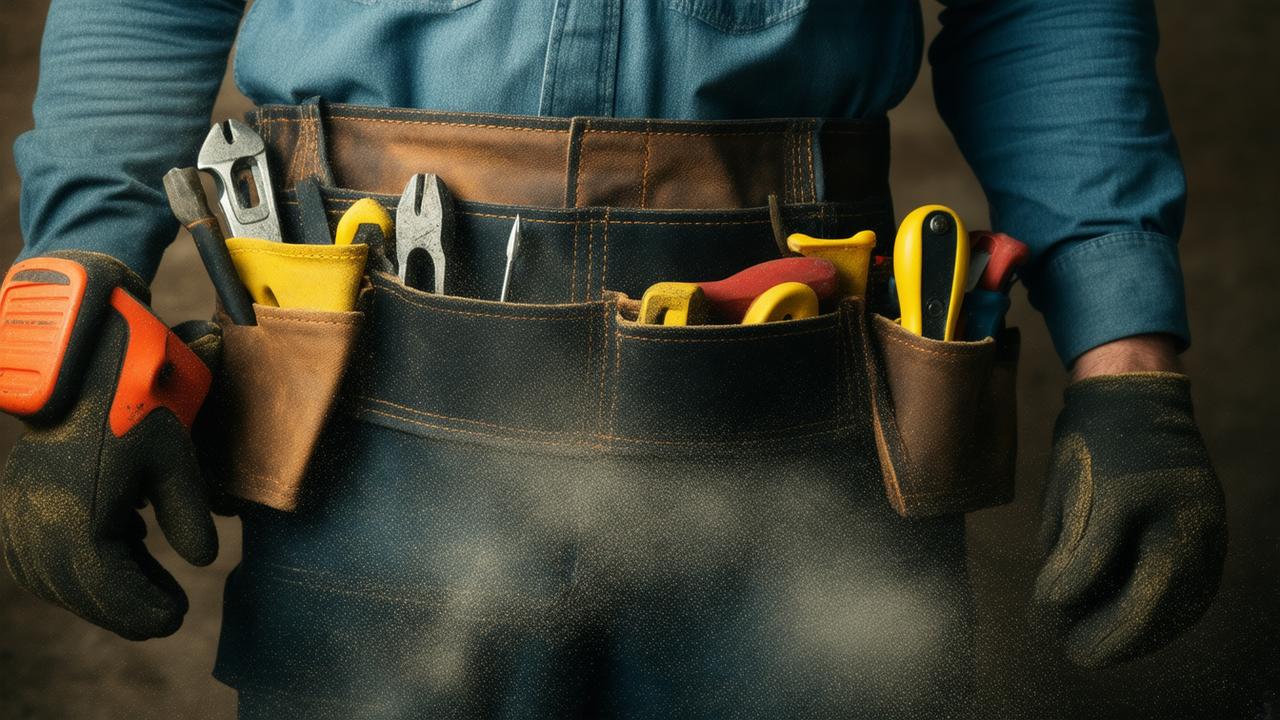
The rain had just started when the plasterer called to say he wasn’t coming—again. The house smelled of dust and cut timber, a half-finished dream with wires peeking from walls and a kitchen that was nothing more than an echoing rectangle of bare concrete. Somewhere between the third delayed delivery and the fifth rescheduled tradie, Emma realised this renovation—meant to take three months—was sliding into its second year. She stared at the silent tools scattered across the floor and wondered how a nation so handy could suddenly feel so short of hands.
The Sound of Silence on Once‑Busy Sites
Walk past any suburban street that’s mid‑renovation and you’ll notice it: the quiet. A ladder leaning alone against fresh framing. A skip bin only half full. A roll of insulation waiting in the carport like luggage for a trip that keeps being postponed.
Only a few years ago, those same streets rang with the high whine of saws, the thunk of nail guns, radios turned up too loud, and shouted jokes between tradies. Now, timelines drag out as builders juggle jobs and subcontractors vanish to the highest bidder, often a bigger project across town that can pay more or start sooner.
It’s not just your imagination or a run of bad luck. Across the country, a surge in tradie shortages is slowing renovations to a crawl and pushing quotes higher than many homeowners ever expected. From coastal towns to inner‑city terraces, those hoping to fix, extend, or completely transform their homes are all hitting the same invisible wall: there simply aren’t enough skilled hands to go around.
Why Everyone Wants Work Done at Once
Part of the story begins at the front door, sometime around the middle of the last few years, when people suddenly started seeing their homes differently. Kitchen benches became office desks. Spare rooms turned into classrooms. Tiny balconies tried to pass themselves off as backyards.
All that time indoors sharpened our gaze. Cracks in the paint weren’t just character; they were nagging eyesores. That awkward wall in the middle of the living room? Now it was a daily irritation. The dream kitchen or the extra bedroom moved from “one day” to “as soon as possible.”
Renovation fever spread. People saved more by staying in, travel plans evaporated, interest rates dipped for a while, and suddenly renovations felt within reach. Architects got busy. Designers filled their calendars. And tradies—already stretched—were swamped with calls, texts, and emails all asking the same thing: “How soon can you start?”
The answer, more and more often, became: “Not for months.”
The Vanishing Tradie: A Slow‑Burn Shortage
The current crunch didn’t appear out of nowhere. For years, the number of new apprentices and skilled tradespeople hasn’t kept pace with the demand for construction and renovation. Many older tradies have retired, some left the tools for less physical work, and others moved into supervisory or project management roles where they no longer swing a hammer.
At the same time, major infrastructure and large‑scale building projects are soaking up talent. Big commercial sites can promise steady hours, fewer small‑job hassles, and sometimes higher pay. For an electrician or plumber, one big project can be easier to manage than ten scattered kitchen makeovers with anxious homeowners checking in daily.
That leaves small‑scale residential renovations in a tricky spot. A builder might be juggling half a dozen projects, slotting in whichever subcontractor happens to be free that week. If a tiler gets pulled into a more lucrative job across town, your bathroom might sit fully waterproofed but utterly tile‑less for weeks on end.
On the ground, the shortage is visible in subtle and not‑so‑subtle ways: quotes that expire quickly, start dates that keep drifting, and a curious new tone in tradie conversations—one where they’re no longer chasing you, you’re chasing them.
When Quotes Climb and Timelines Stretch
Scarcity reshapes the entire renovation landscape. When there are more jobs than available tradies, prices inevitably rise. It’s not greed; it’s the raw math of demand and supply, coupled with the increased cost of materials and fuel, and the sheer pressure on time.
Many homeowners are noticing that a quote they received two years ago now looks like a fairy tale. Timber has gone up. Plasterboard has surged. Even small line items—like waste removal or scaffolding—have crept higher. Layer on the premium you pay just to secure a reliable tradie, and budgets are blowing out long before the first wall comes down.
| Renovation Stage | Typical Delay | Key Trades Affected | Cost Impact |
|---|---|---|---|
| Initial demolition & prep | 2–6 weeks | Demolition crews, waste removal | Higher labour & skip hire costs |
| Framing & structural work | 3–8 weeks | Carpenters, builders, engineers | Timber price increases & delays |
| Services rough‑in | 2–10 weeks | Electricians, plumbers, HVAC | Higher call‑out & hourly rates |
| Interior finishes | 4–12 weeks | Plasterers, painters, tilers | Premiums for short‑notice work |
| Final fit‑off | 1–6 weeks | Cabinetmakers, sparkies, plumbers | Extra visits due to scheduling gaps |
Multiply those delays, and a project planned for four months can easily stretch into a year. Each gap costs money: extended rent while you can’t move back in, additional storage, repeats on temporary fixes. The slow bleed of “almost done” becomes its own kind of exhaustion.
The Emotional Toll of Living in Limbo
A renovation isn’t just a financial commitment; it’s deeply emotional. It’s tied to the way we imagine our lives: the big wooden table where dinners will be shared, the sunlit reading nook that doesn’t yet exist, the quieter bedroom away from the street noise.
When tradies are scarce and projects stall, you don’t just lose time. You lose a sense of stability. Families squeeze into spare rooms or stay with relatives “just for a few weeks” that stretch into months. Children learn to step around exposed floors and half‑painted architraves. Mismatched chairs huddle in improvised kitchens that feel more like campsites than homes.
The sounds of renovation—saws, drills, an occasional curse from the driveway—usually signal progress. But when days go by in silence, the site begins to feel abandoned. Dust settles thickly where cabinetry should be. A coil of electrical cable hangs from the ceiling like a question mark: when will anyone come back?
Amid this limbo, homeowners become reluctant project managers. They chase updates. They compare notes with neighbours in the same position. Conversations at weekend barbecues shift from sport and holidays to lead times, quotes, and “our plumber just disappeared for six weeks.” A shared frustration threads through these stories: the sense that you’re at the mercy of a market you can neither fully understand nor control.
Navigating the New Reality: Strategies that Actually Help
Despite the headwinds, renovations are still possible. They just require a different kind of planning—more patience, more flexibility, and a more realistic grasp of what a tradie‑short world looks like.
Plan Further Ahead Than Feels Comfortable
If you once thought three months was enough lead time to book a builder, double or triple it. Many sought‑after tradies are scheduling major jobs six to twelve months out. Use that time to finalise drawings, secure approvals, and lock in decisions on fixtures and finishes so you’re ready when their diary finally opens.
Be Honest About Budget—and Add a Buffer
Assume that your initial quote may rise, especially if there’s a long gap between pricing and starting. Build in a contingency of at least 10–20% if you can. It’s far easier to make peace with higher costs when you’ve already allowed for them on paper.
➡️ A quieter housing revolution is unfolding through passive cooling design and smarter shading systems
➡️ New long COVID clinics are reshaping how chronic illness is diagnosed and managed
➡️ Desalination plants are becoming central to water security plans despite energy concerns
➡️ New shark tracking data is changing safety planning at popular swimming beaches
➡️ A revival of handwritten learning is gaining momentum in schools wary of screen overload
➡️ Wildlife carers are warning of a tougher year as habitat loss meets extreme weather
➡️ A new generation of museum curators is revisiting repatriation and colonial collecting ethics
Respect the Calendar, Even When It Hurts
Cancelling or shifting dates last‑minute can damage your relationship with already‑stretched tradies. If they reshuffle their schedule to fit you in, reliability matters. Paying deposits on time, being ready for them when they arrive, and avoiding frequent scope changes all signal that you’re a client worth prioritising.
Communicate Like You’re on the Same Team
Tradies are not just service providers; they’re problem solvers working inside a system under strain. Clear communication builds trust. Ask what they need from you to keep things moving. Check in without hovering. If delays happen—and they almost certainly will—knowing early lets you re‑plan, rather than react in panic.
Consider Staging or Scaling Your Dreams
Instead of tearing the entire house apart at once, stage your renovation in phases. Do the critical structural work now; leave that perfect outdoor deck until next year. Or simplify designs: fewer walls moved, more clever use of existing spaces. Sometimes, a slightly smaller dream is the difference between endless waiting and a finished space you can actually live in.
What This Means for the Homes We Build Next
This surge in tradie shortages is changing more than our timelines and budgets; it’s reshaping how we think about home, craft, and value. There’s a growing recognition that skilled trades are not an endless resource—that the people who wire our lights, waterproof our bathrooms, and frame our walls are part of a fragile ecosystem that needs care and replenishment.
Some young people are rediscovering the appeal of working with their hands, drawn to trades that offer visible results at the end of each day. Governments and industry bodies are talking more about apprenticeships, training, and how to make the path into the trades clearer and more attractive. It’s slow change, but necessary.
In the meantime, householders are learning a new blend of humility and appreciation. To secure good tradies now is to understand the value of their time, the complexity behind every “simple” job, and the honesty of a quote that reflects real pressures rather than wishful thinking.
For Emma—the woman standing in the dust of her half‑done kitchen—the story eventually does move forward. The plasterer did arrive, weeks late, followed by an electrician who squeezed her in after dark, and a cabinetmaker who worked a Saturday to keep a promise. One evening, months behind schedule, she boiled pasta on a brand‑new stovetop, the smell of fresh paint still sharp in the air. Outside, the rain tapped on new double‑glazed windows. The wait had felt endless, but the space finally matched the life she wanted to live.
Across the country, versions of that moment are playing out every day—hard‑won, over‑budget, and a little more precious for the struggle it took to get there. In a season of tradie shortages, a finished room becomes more than four walls and a floor. It’s a quiet testament to patience, timing, and the complex, human web of skills that turn bare studs and ideas into the places we call home.
Frequently Asked Questions
Why are there so few tradies available right now?
A mix of long‑term underinvestment in training, retirements from an ageing workforce, competition from large commercial and infrastructure projects, and a surge in renovation demand has created a perfect storm. There simply aren’t enough skilled tradespeople to cover all the work.
How much extra should I budget because of shortages?
While it varies by region and project type, many homeowners are adding a 10–20% contingency to cover rising material and labour costs, plus unexpected delays. Talk openly with your builder about likely price movements over your project’s timeframe.
Can I save money by managing the renovation myself?
You may shave off some costs by coordinating trades directly, but it can be stressful and time‑consuming. In a tight market, many tradies prefer dealing with builders they know and trust. If you do self‑manage, be highly organised and realistic about timelines.
How far in advance should I book tradies?
For significant renovations, aim to start conversations six to twelve months before you want work to begin. Smaller jobs might still need several months’ lead time, especially for in‑demand trades like electricians, plumbers, and plasterers.
Is now a bad time to renovate, or should I wait?
There’s no perfect time. Costs and delays are high now, but postponing carries its own risks: further price rises, worsening wear and tear, or missed lifestyle benefits. If you plan thoroughly, choose carefully, and allow for contingencies, renovating now can still be worthwhile.





