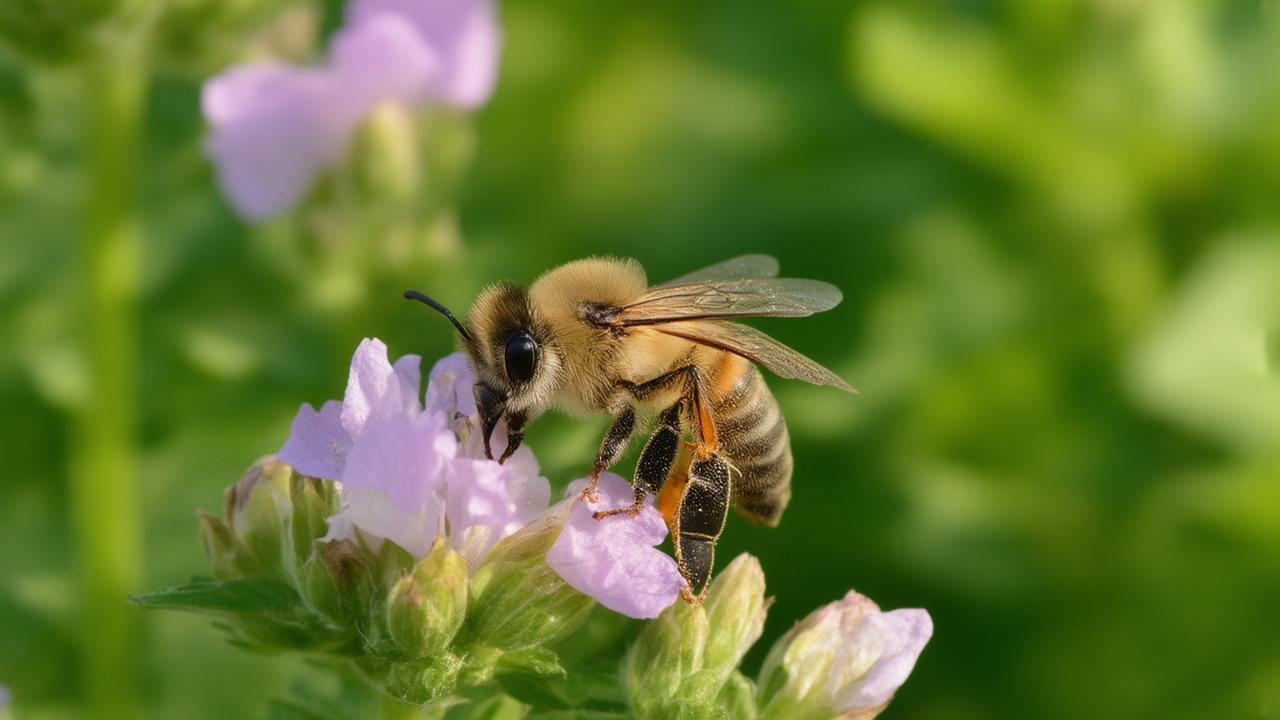
The sound hits you first. Not the distant moan of leaf blowers or the soft whir of air conditioners, but a hum—a living, layered chorus drifting over fences and hedges. It’s the sound of bees, native and honeyed, stitching invisible paths between blossoms. If you listen closely on a warm afternoon in almost any suburb now, that hum is growing louder. Something is changing in the ordinary American backyard, and it’s not just the flower choices at the garden center. It’s the gardeners themselves—neighbors, retirees, young parents, apartment dwellers with patio pots—quietly rewriting what a “nice yard” looks like, all because of pollinators.
The New Suburban Status Symbol: A Yard That Buzzes
Step into a typical subdivision from a decade ago and you’d see a familiar scene: a tidy expanse of emerald lawn, clipped short and obedient, edged by a few foundation shrubs and perhaps a pair of potted geraniums guarding the front door. Beauty, in that world, meant uniformity—no stray leaves, no seed heads, no “weeds.”
Now walk down that same street on a warm Saturday in late spring. There are still lawns, but they’re shrinking. In their place: bursts of purple salvia, drifts of coneflowers, milkweed stalks like small flags, clusters of basil and thyme spilling from raised beds. A child kneels near a patch of black-eyed Susans, counting butterflies on her fingers. The neighbor next door is crouched in the mulch, delighted—not horrified—to find a plump caterpillar chewing through a leaf.
This subtle shift is more than a trend; it’s a quiet revolution driven by awareness. As news about pollinator decline moves from scientific reports into documentaries, school curriculums, and social media feeds, suburban households are starting to see their green rectangles as something more than decorative. They’re seeing them as habitat.
And in suburbia, where individual yards collectively cover millions of acres, that realization feels powerful. A single household might not be able to save the bees, but a whole neighborhood of them? That starts to sound like a movement.
The Moment Home Gardeners Started Asking “Who Is This For?”
There’s often a moment—a small, almost forgettable one—that shifts a person from casual gardener to pollinator advocate. For some, it’s a child coming home from school, breathless with news about monarch butterflies disappearing. For others, it’s standing in line at a garden center, overhearing someone ask, “Is this plant treated with neonicotinoids?” and realizing they’ve never once wondered how their flowers get made in the first place.
“Who is this for?” has become the quiet, guiding question in backyard design. Instead of simply choosing what looks pretty to humans, more gardeners are considering what feeds the bees in June, what shelters the moths in October, what nourishes the birds in February when everything seems dead.
On a small side yard where a lawn mower used to rattle once a week, a young couple has let clover creep in, speckling the grass with white pom-pom blooms that honeybees adore. Down the block, an older man who once took pride in a golf-course-perfect lawn now stands, hands on hips, admiring his “messier” yard: patches of yarrow, bee balm, tickseed, and a wild corner where fallen leaves gather like a blanket over the soil.
These choices are not random. They come from a growing understanding that pollinators need more than a few token blooms. They need a continuous buffet from early spring to late fall, shelter in winter, and space to nest—undisturbed and unpoisoned. Gardeners who once rushed to deadhead the moment a bloom faded are now leaving seed heads for goldfinches and hollow stems for solitary bees to tuck their eggs inside.
From Pretty to Purposeful: Planting With Pollinators in Mind
At first glance, a pollinator-friendly garden looks like a riot of color and texture: spikes of purple blazing star, the golden glow of rudbeckia, the dancing wands of native grasses. But beneath that beauty lies careful planning—an orchestrated sequence of blooms and habitats.
Suburban gardeners are learning a new vocabulary: host plants, nectar sources, native versus cultivar, larval food. They’re realizing that butterflies don’t just need flowers; their caterpillars need specific leaves to eat. Monarchs crave milkweed. Swallowtails lean on dill, fennel, parsley. While the front yard still charms passersby, the gardener is quietly celebrating when something looks “eaten”—because that’s the sign that life is happening.
In many neighborhoods, conversations that used to revolve around sprinkler systems and fertilizer schedules now drift toward milkweed varieties and which native asters survived the hottest summer. The language of gardening is shifting from control—“How do I stop this?”—to collaboration—“What can I plant that will help?”
And those choices are getting more intentional. “Full sun” and “partial shade” are still on the tags, but gardeners are scanning for words like “supports pollinators,” “host plant,” or “native.” They’re noticing which flowers draw in bumblebees versus which attract tiny metallic sweat bees. Backyard gardening is becoming less like decorating a room and more like curating an ecosystem.
| Pollinator | Favorite Garden Plants | Backyard Benefit |
|---|---|---|
| Native Bees | Bee balm, asters, sunflowers, coneflowers | Boost fruit and veggie yields; fast, efficient pollination |
| Butterflies | Milkweed, dill, fennel, zinnias, lantana | Pollinate flowers; add color and movement |
| Hoverflies | Yarrow, marigold, alyssum, daisies | Pollinate and help control aphids in veggie beds |
| Moths | Evening primrose, nicotiana, phlox, night-blooming jasmine | Nighttime pollination; food for birds and bats |
| Beetles & Wasps | Goldenrod, fennel flowers, umbels, native shrubs | Pollinate and help keep pest insects in balance |
The Vegetable Patch Gets a Pollinator Makeover
Fruit and vegetable gardens have always had a practical purpose: food on the table. But increasingly, suburban gardeners are discovering that pollinators are the quiet partners in every tomato sandwich and bowl of strawberries. The old model—straight rows of vegetables, bare soil between, maybe a marigold or two as an afterthought—is giving way to something far more alive.
Picture a raised bed edged with thyme and oregano, their tiny flowers buzzing with small native bees. Between the tomato cages, bright calendula and cosmos nod in the breeze. Squash vines twist around a patch of nasturtiums. At first, it looks like a joyful tangle; then you notice what’s missing: the clouds of aphids, the sluggish plants, the endless sprays of “fix-it” chemicals.
By welcoming pollinators, these gardeners are welcoming balance. Flowers that lure bees also attract wasps and hoverflies that hunt caterpillars and sap-suckers. Instead of reaching for synthetic pesticides, more households are letting the ecosystem do some of the work. A few nibbled leaves are tolerated because the reward is greater: more zucchini, heavier cucumbers, sweeter berries.
The vegetable garden becomes a classroom. Kids learn that the crooked little bee with the messy pollen is a squash bee, specialized just for those blossoms. They learn how to tell a bee from a wasp, a pollinator from a pest, and how everything that ends up on their plate began as a flower waiting for a visitor.
Letting Go of Perfection: Lawns, Leaves, and the “Messy” Middle
The biggest shift may not be in what gets planted, but in what’s allowed to stay. Pollinator-friendly gardening asks suburban households to challenge a deeply ingrained aesthetic: the idea that a “good” yard is perfectly trimmed, uniformly green, and almost sterile.
Now, more people are choosing the “messy middle”—yards that still feel cared for but leave room for life. A corner of the backyard is allowed to grow taller, a micro-meadow buzzing with clover, violets, and self-sown flowers. Fallen leaves are left under shrubs through winter, creating a quiet sanctuary where insects overwinter and soil life thrives.
➡️ Nightlife venues are adjusting as sober socialising becomes a mainstream choice
➡️ Farmers are experimenting with regenerative grazing to rebuild soil after decades of depletion
➡️ Ocean chemistry data is pointing to faster acidification along sensitive marine habitats
➡️ Fashion labels are returning to wool as demand grows for durable climate smart fabrics
➡️ Archaeologists are returning to old shipwreck sites with new imaging technology
➡️ Households are embracing minimalism as rising costs challenge traditional consumer habits
➡️ Space startups are expanding beyond satellites as deep tech exports gain momentum
Even the once-sacred lawn is under negotiation. Some homeowners cut less often, letting grass and clover bloom for short bursts before mowing. Others carve out islands of native perennials or swap grass entirely for groundcovers that feed pollinators. A neat path or a well-defined edge tells the eye, “This is intentional,” even if the plants inside the border riot with life.
There is courage in that choice. The first spring someone stops using weed-and-feed, their lawn may look patchy, uneven, not quite like the postcard lawns of the past. But then come the fireflies on summer nights, the goldfinches bouncing along seed heads, the sudden appearance of a hummingbird hovering before a flower that never would have survived in the old chemical routine.
Neighbors, HOAs, and the Quiet Power of Conversation
Backyard gardening doesn’t happen in a vacuum. It’s framed by neighborhood expectations, HOA regulations, and the simple fact that everyone can see everyone else’s front yard from the sidewalk. As pollinator awareness grows, so too does the art of explaining what you’re doing—and why it matters.
Many of the new pollinator gardeners become accidental ambassadors. When a neighbor pauses to ask, “What’s that plant?” or “Why did you stop mowing that strip?”, they have a chance to tell the story: about bees and butterflies, declining habitats, and the surprising power of one small yard. Sometimes they share seeds or cuttings. Sometimes they share a bowl of homegrown tomatoes, sweeter because they were pollinated by the very bees buzzing at the property line.
In some communities, conversations turn into action. HOAs that once mandated uniform lawns are beginning to revisit their rules, nudged by residents who bring research, photos, and examples of beautiful pollinator-friendly landscaping. A few flower beds along the entrance sign now feature native plants. A strip of turf along the sidewalk becomes a shared wildflower border. What started as individual guilt about bees quietly becomes shared pride in a more vibrant, living neighborhood.
The greatest change might be in how people see their own power. The backyard is no longer just personal space; it’s a tiny conservation project, stitched together with thousands of others across the map. The plants in one yard connect to the next, forming green corridors for creatures that ask only for nectar, pollen, shelter, and the freedom not to be sprayed away.
FAQs About Pollinator-Friendly Backyard Gardening
Do I have to get rid of my lawn to help pollinators?
No. Even small changes help. You can keep part of your lawn while shrinking it around the edges for flower beds, mowing less often, or allowing clover and other low-growing blooms to mix into the grass.
Are pollinator gardens messy or hard to manage?
They can look wild compared to traditional yards, but they don’t have to be unkempt. Clear edges, paths, and a few intentional design choices—like repeating plants or colors—can make a vibrant pollinator garden look purposeful and cared for.
Do I need all native plants?
Native plants are especially valuable because they evolved with local pollinators, but you don’t need to go 100% native. A mix of mostly native plants with some non-invasive favorites can still be very beneficial, as long as you avoid harmful pesticides and provide blooms across the seasons.
Will a pollinator garden attract more stinging insects and make my yard unsafe?
Most bees and many wasps are not aggressive and are focused on flowers, not people. They generally ignore humans unless handled or threatened. By watching and giving them space, you can share the yard safely. In fact, many families find that learning to identify different pollinators reduces fear.
What is one simple change I can make this year?
Plant a small cluster—three to five of the same plant—of a pollinator-friendly flower that blooms in a season when your yard is quiet. For example, early spring bulbs or late-fall asters. Then avoid spraying pesticides nearby. You’ll likely notice new visitors within weeks.





