The sun is barely up when the marsh begins to speak. You hear it before you see it: the soft chuckle of water slipping through reeds, the wingbeat of a heron lifting off the mirror-smooth channel, the quiet fizz of life in the shallows. Mist hangs in low ribbons over the water, catching the light in a way that makes the old drainage ditches and rusted culverts look almost like artifacts in a museum. This place was once considered “waste” land—scraped, drained, and written off in the name of progress. Now it feels less like a leftover and more like a living lung, breathing slowly at the edge of a city that’s finally starting to understand how much it needs to breathe.
The Land We Tried to Tame
For much of the last century, wetlands were treated as problems to be solved. They were swamps to be drained, bogs to be filled, marshes to be straightened, paved, and made “useful.” Developers laid out subdivisions where cattails once swayed. Farms pressed deeper into the soggy ground, armed with tiles and trenches designed to carry the water away.
Standing here now, with the smell of damp soil and wild mint in the air, it’s hard to imagine this wet corner of the world was once marketed as prime buildable land. A row of houses still fringes the far side—brick, vinyl siding, trimmed lawns—but their footprint stops abruptly where the ground begins to turn soft again. Beyond their fences, the wetland has been allowed, slowly and imperfectly, to return.
A generation ago, what made this land valuable was how fast it could be drained. Today, value is starting to look different. City planners run flood maps and watch the colors creep into neighborhoods after each big storm. Insurance companies recalculate risk. Residents compare photos from last year’s inundation, when water spilled down streets and into basements. And quietly, almost shyly, wetlands—these damp, stubborn, complicated places—have slipped back into the conversation as something we desperately need.
The Quiet Algebra of Water and Carbon
To understand what’s happening here, you have to watch the wetland slowly, like you’d listen to a long story. Water rises and falls. Sediments settle. Roots weave themselves into a dense living net beneath the surface. With every season, the marsh does a kind of quiet algebra: taking in carbon from the air, slowing down water that would otherwise roar downstream, and spreading it out so gravity and time can do their work.
Carbon is at the heart of this story. In drained wetlands, the peat and organic-rich soils that once sat soaked and oxygen-poor are exposed to air. Microbes wake up. They begin to chew through centuries of stored plant matter, releasing carbon dioxide like a long-held breath. The richer the soil, the more carbon there is to give up. It’s an invisible exhale that goes largely unnoticed—until you zoom out and see how much of it comes from landscapes we’ve “improved.”
Rewet those same soils, and the math changes. Flooded again, the microbes that thrive in oxygen-rich conditions slow down. New plants—reeds, sedges, rushes—take root, pulling in more carbon every year. Much of that ends up locked into the wet, heavy ground. The process isn’t instant; it’s more like a long negotiation between water, soil, and time. But in that negotiation, carbon begins to stay put instead of slipping back into the sky.
All the while, the water is learning to linger. Where a concrete channel moves a storm’s worth of runoff in hours, a healthy wetland can take days. It spreads the water sideways, into backchannels and shallow pools, lowering the peak, trimming the flood’s sharpest edges. In a climate that’s shifting toward extremes—long dry spells punctuated by furious downpours—that softening logic is starting to feel less like a bonus and more like a necessity.
When the Rain Comes Hard and Fast
You can feel the difference a wetland makes most clearly in the middle of a storm. The sky goes from pale to charcoal in a few quick breaths. Thunder tumbles over the rooftops. The air thickens with that metallic smell of rain about to break. In the city, gutters clog, storm drains gulp and choke, and parking lots become shallow, shining lakes.
Here, on the edge of the restored marsh, the rain hits the water with a sound like static. Channels begin to swell, but not in a rush. Tall grasses bend and sway, catching raindrops on every blade. Depressions that sat dry last week slowly fill, turning from cracked earth to mirrored pools. The water is gathering, but it’s also being held—by roots, by roughness, by the sheer sprawl of low ground with nowhere else to be.
From a farther distance, on a flood map or a satellite image, you’d see something important. The neighborhoods nearest this wetland no longer glow bright red on the risk charts the way they used to. The worst of the storm water detours into the marsh, rises there, then seeps away or evaporates slowly over the following days. Basements stay drier. Insurance claims drop. The old notion of the wetland as a hazard begins to flicker and fade.
Flood mitigation used to be about building higher walls and deeper channels—fighting water with more engineering. Now, a growing cadre of hydrologists, ecologists, and planners are rediscovering something older and more patient: the art of giving water space. Restored wetlands are becoming that space, reoccupying the low spots we once insisted on paving.
From Liability to Lifeline
The shift hasn’t come out of nowhere. Communities that have been repeatedly soaked by so-called “once in a century” floods—now happening every decade or less—are looking for alternatives that don’t rely solely on concrete. Some of the most powerful examples of change are places where wetlands had nearly vanished from memory, then returned.
Picture a suburban development that was built in the 1980s on what locals still called “the old marsh.” To make way for homes and strip malls, the water had been hustled into a straight, deep ditch. It worked—at least for a while. But as the climate grew wetter and storm patterns intensified, that swift channel simply shunted more water, faster, into the downstream river. Floods worsened. Damage bills climbed. Residents started to ask: What if the problem wasn’t the river, but what we’d done to everything around it?
Over the past decade, some towns have used buyouts to relocate the most flood-prone houses, tearing up streets and lawns and replanting them with native wetland vegetation. Old drainage tiles were broken or removed. Low berms were sculpted to nudge water into newly made basins. What emerged wasn’t the original marsh—nature rarely rewinds so neatly—but a new version of it, shaped by both ecology and design.
Suddenly, places that had been written off as “too risky” to live in became buffers for everyone else. Instead of being a liability on a balance sheet, these soggy acres became a kind of insurance policy, just one that hums with dragonflies and red-winged blackbirds. The town’s story about itself changed too—from one of beating back unruly water to one of learning, slowly, how to live better with it.
A Simple Snapshot: Wetlands Then and Now
It can help to see this transformation in simple terms—what a drained wetland costs us, and what a restored one gives back.
| Aspect | Drained / Developed Wetland | Restored / Rewetted Wetland |
|---|---|---|
| Carbon | Soils exposed; stored carbon released as CO₂ over time | Waterlogged soils slow decomposition; carbon is stored in peat and plants |
| Flooding | Rain runs off quickly into rivers, increasing peak flood levels | Water spreads and lingers, reducing downstream flood peaks |
| Biodiversity | Simplified habitats; fewer species of birds, insects, and plants | Complex mosaic of habitats; richer communities of wildlife |
| Water Quality | Pollutants move quickly into waterways | Wetland plants and soils trap sediments and filter nutrients |
| Human Benefit | Short-term economic gain; long-term climate and flood risks | Natural flood defense, climate regulation, recreation, and beauty |
The Subtle Work of Rewilding Wet Ground
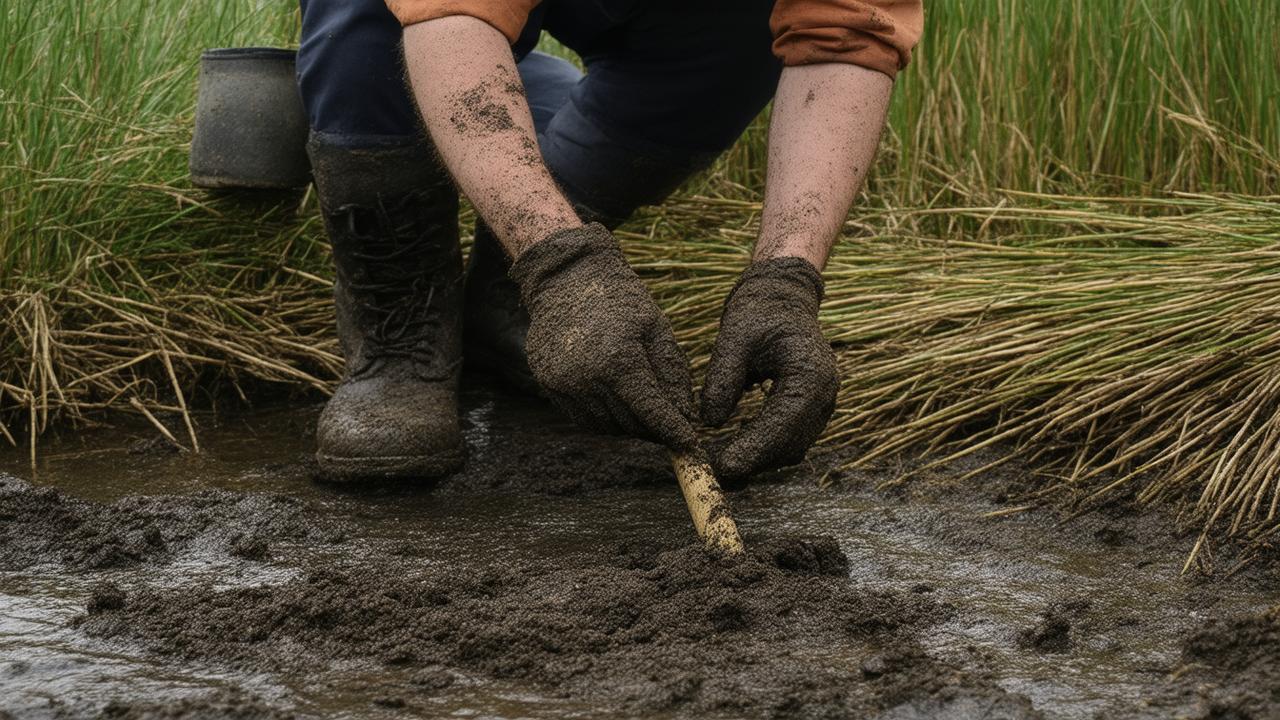
On the ground, restoring these places is less about grand gestures and more about small, persistent acts of letting go. You plug an old ditch, and the water creeps back. You plant a fringe of native sedges, and they begin to knit the soil together. Beavers show up uninvited and start their own enthusiastic engineering, sometimes to the frustration and ultimately to the benefit of the humans nearby.
➡️ Australia’s space industry is quietly expanding beyond satellites into deep tech exports
➡️ Emergency wards are reporting a sharper spike in dehydration cases during prolonged heatwaves
➡️ Bushfire smoke is turning air quality monitors into everyday household essentials
➡️ How Australian parents are navigating a new era of digital childhood boundaries
➡️ East coast councils are rewriting heat plans as pavement temperatures climb year after year
➡️ Ancient rock shelters in the Kimberley are forcing new debates about heritage enforcement
➡️ Seawall upgrades are accelerating as coastal communities brace for stronger storm surges
Every year, the wetland becomes a little more itself. Dragonflies flash like small blue sparks over the shallows. Frogs call so loudly in spring that you have to raise your voice to be heard. Migratory birds rediscover former stopovers, stitching this patch of recovered habitat into a much larger continental map. The change is visible not just on carbon graphs or flood statistics, but in the daily lives of people who walk the new boardwalks, who smell the mud after rain, who notice that the soundscape has grown fuller.
There are challenges, of course. Not everyone likes the idea of “bringing back” wetlands near homes that were built under a very different understanding of the land. Mosquitoes, property values, perceptions of safety—these all become part of the conversation. Yet as seasons spin by and the promised floods fail to arrive with their former ferocity, skepticism often softens into a grudging respect, then into something like pride. This is our marsh, people say. Our buffer. Our piece of the climate puzzle.
Looking Forward: Living with the Water We Have
If you stand at the edge of a restored wetland and listen—really listen—you start to sense that this is less a story about going back and more about going forward differently. The world is changing around us, whether we’re ready or not. Seas are rising. Storms are swinging wider and hitting harder. Carbon is the ghost in every weather report.
We won’t engineer our way out of all of it with concrete alone. We’ll need places that absorb, that bend, that hold. Wetlands, especially those we once drained and dismissed, are emerging as some of our most powerful quiet allies. They won’t solve climate change, but they can blunt its sharpest edges—locking down carbon that might otherwise drift skyward, giving floodwaters places to pause, cooling and greening the landscapes we move through every day.
In the end, the shift might be as simple, and as radical, as changing the question we ask of these damp, unruly lands. Instead of “How can we conquer this?” we begin to ask “How can we belong here?” In the rustle of reeds and the slow, brown shine of the water, an answer is already forming. It sounds a lot like patience. It looks a lot like resilience. And if you breathe in deeply, standing there in the morning mist, it feels—to your lungs, to your nerves, to your cautious hope—like relief.
Frequently Asked Questions
Why were wetlands drained in the first place?
Wetlands were historically seen as useless or dangerous—breeding grounds for disease, obstacles to farming, and barriers to construction. Draining them made room for crops, roads, and housing, and was encouraged by policy and subsidies in many regions. The long-term costs to climate, biodiversity, and flood risk were poorly understood or ignored.
How do restored wetlands help reduce flooding?
Restored wetlands act like natural sponges. They absorb and temporarily store stormwater, slowing how fast it moves into rivers and drains. By spreading water out across a wide area and letting it linger, wetlands reduce peak flood levels downstream and give urban drainage systems a better chance to cope.
In what way do wetlands store carbon?
Wetlands, especially peat-rich ones, accumulate thick layers of waterlogged plant material. Because these soils remain saturated and low in oxygen, decomposition is slow and incomplete, locking carbon away for decades to millennia. When wetlands are drained, that stored carbon is exposed to air and gradually released as carbon dioxide.
Are there downsides to wetland restoration near communities?
Restoration must be carefully planned. Concerns include mosquito habitat, changes in land value, or worries about safety and access. Good design—like ensuring water movement, introducing native predators of mosquitoes, and engaging local residents—can greatly reduce these issues while maximizing benefits.
What can individuals do to support wetland protection and restoration?
People can support local conservation groups, participate in community planning processes, and advocate for nature-based flood and climate solutions. Volunteering for planting days, learning about local wet places, and speaking up when drainage or infill is proposed all help keep wetlands on the map—literally and politically.





