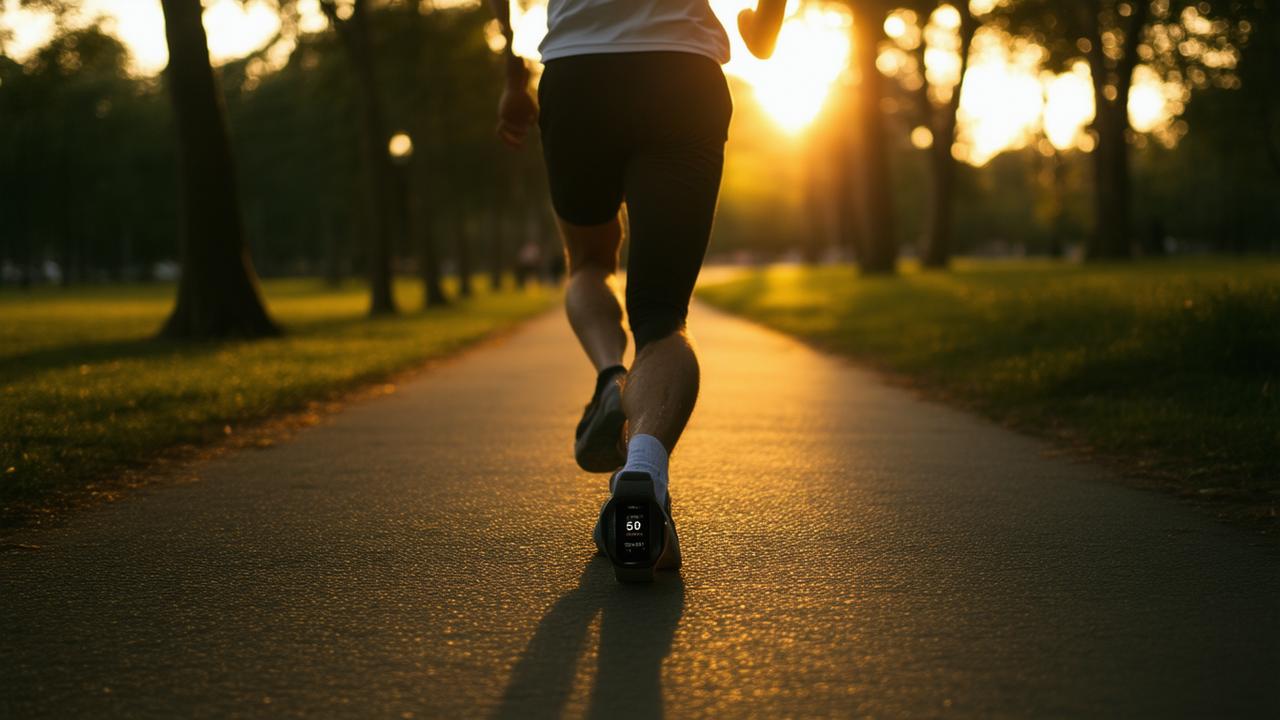
The first time I decided to skip the gym and simply go for a walk, I felt a tiny flicker of guilt. My running shoes sat by the door, still dusty from last weekend’s “I’ll definitely start again Monday” promise. Outside, the late afternoon light was doing that golden Australian thing—turning gum leaves into stained glass and making the air feel like warm honey. I told myself I’d just walk around the block and see how I felt. No stopwatch. No heart rate zones. Just… walking.
Ten minutes in, something shifted. The day’s noise faded. My shoulders dropped from around my ears. I noticed the crunch of gravel underfoot, the faint smell of jacaranda blooms, a kookaburra laughing at some private joke in the distance. It didn’t feel like exercise. It felt like breathing out after holding my breath for too long.
But here’s the thing nobody tells you at the start: walking absolutely can replace a gym session—if, and it’s a big if—you do it in a certain way. Not the ambling, phone-scrolling, “stop and check that shop window” kind of way. To turn walking into a serious, gym-skipping, heart-strengthening practice, there’s a simple formula: 30 minutes, non-stop, at about 5 km/h. No fluff, no fancy workouts. Just you, your feet, and a pace that feels “comfortably brisk” but not like a sprint.
The Sweet Spot: Why 30 Minutes at 5 km/h Actually Matters
Most of us grew up hearing that “walking is good for you,” but that advice is so broad it almost becomes background noise. The magic appears when you get specific. A steady 30-minute walk at around 5 km/h is that sweet spot where your body starts to treat walking less like casual wandering and more like genuine cardio.
At roughly 5 km/h, you’re not quite powerwalking, but you are moving with intent. You can still chat, but you’d rather not hold a long conversation. Your breathing is a little faster. Your arms may naturally swing a bit more. It’s the pace you’d use if you were late for a meeting but not late enough to run.
Why 30 minutes? Because your heart, lungs, muscles, and metabolism need a bit of time to shift into “we’re really doing this” mode. In the first 5–10 minutes, your body is just warming up. By the 15–20 minute mark, your circulation is humming along, and your muscles are working steadily. Hitting 30 minutes gives your body enough continuous effort to trigger the benefits we usually associate with more “serious” exercise: improved cardiovascular health, better insulin sensitivity, and that delicious post-walk calm that feels suspiciously like a mood lift.
And consistency matters more than heroics. Three or four of these 30-minute, 5 km/h walks each week beats one chaotic, all-in gym session followed by five days of sitting and swearing you’ll “do better next week.”
What 5 km/h Actually Feels Like (and How to Tell You’re Hitting It)
Here’s where things get practical. Most people don’t think in kilometres per hour when they walk; they think in vibes: “slow,” “normal,” “pretty fast.” So what does 5 km/h actually feel like on an Aussie footpath or beach path?
Imagine you’re walking through your neighbourhood and you’ve realised you’re going to miss the train if you don’t speed up—but you’re not panicking. Your stride lengthens a little. You’re not shuffling; you’re covering ground. You’re warm, but not gasping. That’s roughly 5 km/h for most adults.
If you like numbers, here’s a simple way to translate that speed into time:
| Distance | Time at 5 km/h | Notes |
|---|---|---|
| 500 m | ~6 minutes | Good “pace check” segment |
| 1 km | ~12 minutes | Two of these is almost your full walk |
| 2.5 km | ~30 minutes | Your 30-minute non-stop target |
You don’t need a fancy smartwatch. You can use landmarks. If you know a rough 1 km stretch—from your place to the local shops, from one end of the beach path to the other—time yourself once. If it takes about 12 minutes, you’re in the zone.
Another easy test: the “talk test.” At the right pace, you can still say a short sentence out loud, but if you tried to sing the chorus of your favourite song, you’d feel silly and slightly out of puff. That’s where the magic happens—gentle, sustainable effort.
Why Non-Stop Matters More Than You Think
Here’s where a lot of people accidentally rob themselves of results. They walk the dog, stop while it sniffs every blade of grass. They slow down at every second driveway. They chat with a neighbour for five minutes. It all feels like movement, but it’s not the same as a continuous 30-minute walk.
Your heart and lungs love consistency. When you keep moving at a steady pace, your cardiovascular system adapts more efficiently. Stop-start walking drops your heart rate over and over, which means you spend more of your “workout” in warm-up mode rather than in that productive, sustained effort zone.
This doesn’t mean you have to march like a drill sergeant, refusing eye contact with humans and dogs. It just means set an intention: “For the next 30 minutes, I’m going to keep moving forward.” If someone stops you for a chat, you can wave, say a quick hello, and keep going. If you’re walking with a mate, agree that this is your “non-stop lap” and save the full gossip session for a slower cool-down stroll after.
Think of it like a gentle promise to your body: “You’ve got my full attention for half an hour.” In return, your body gives you better stamina, stronger legs, and a calmer nervous system. Not a bad trade.
Turning the Outdoors into Your Personal Gym (No Membership Required)
One of the beautiful things about living in Australia is that the outdoors is basically begging you to use it as a gym. Beach promenades in Perth. Riverside paths in Brisbane. Suburban streets lined with flowering bottlebrush in Sydney or Melbourne. Country roads that smell like rain and dust after a summer storm. You don’t need fluorescent lights or treadmills to get a real workout.
Choose a route you actually enjoy. Maybe it’s a coastal walk where you can feel the salt drying on your skin and hear waves chewing at the shoreline. Maybe it’s a loop around your local oval, where kookaburras heckle you from the goalposts. The more you enjoy the environment, the more likely you are to show up tomorrow—and the day after.
Try this: pick a 2.5 km route from your home. It could be out-and-back (1.25 km out, 1.25 km back) or a loop. Walk it three times this week at that steady, purposeful pace. Notice how the same streets or paths look different each day—the light, the smells, the people, the birds. Your walk becomes less of a “workout” and more of a ritual.
Unlike the gym, there’s no waiting for machines, no fluorescent glare, no aircon hum. Just sky, ground, and your own rhythm. On cooler winter mornings, your breath steams out in small ghosts. On warm evenings, bats flicker overhead as the sun sinks and the air smells like someone’s backyard barbecue. These are the small, sensory details that turn exercise from a chore into a part of your life you might actually look forward to.
What Walking Like This Actually Does for Your Body and Mind
Walk non-stop for 30 minutes at a decent clip, three or four times a week, and your body quietly starts rearranging itself in your favour. Your heart becomes more efficient at pumping blood. Your lungs take in and use oxygen more effectively. Your leg muscles, especially your calves and glutes, strengthen and support your joints better.
For many Australians who spend long hours sitting—at a desk, in a car, on the couch—this kind of regular walking acts like a gentle reset. It improves circulation to sleepy muscles, encourages better posture, and helps fight off that foggy, heavy feeling you get from too much sitting and scrolling.
There’s also the mental side. That 30-minute stretch can be a moving meditation. No screens, no notifications, just the soft metronome of your footsteps. Studies have long linked walking with reduced stress and improved mood, but you don’t need a study to tell you what you already feel: after a proper walk, the world looks slightly kinder, and your problems feel a fraction more manageable.
➡️ Banana peels in the garden: they only boost plants if you put them in this exact spot
➡️ Banana peels in the garden: they only boost plants if you put them in this exact spot
➡️ A retiree who lent his land to a beekeeper is told to pay farm taxes “I earn nothing from this,” he says, as the ruling sparks a heated national debate
➡️ A simple kitchen ingredient slipped down the drain and fixed everything : the plumber found nothing, skeptics call it luck while others say it’s proof
➡️ Psychologists suggest that people who feel “too much” often developed heightened perception as a form of emotional protection
➡️ Place your jade plant in this exact spot: the simple Feng Shui positioning trick said to boost wealth, harmony and lasting happiness at home
➡️ People in their 60s and 70s were right all along: 7 life lessons we’re only now beginning to understand and appreciate
If you’re someone who finds the gym intimidating or just deeply unappealing, this is good news. You don’t need to lift a single weight to start feeling more at home in your body. You just need to show up for that daily or near-daily walk like it actually matters—because it does.
Making It Stick: Turning “I Should Walk” into “I Just Walk”
Habits don’t stick because we shame ourselves into them; they stick because we slip them quietly into the fabric of our days until they feel non-negotiable. Walking works best when it’s tied to something that already happens.
Maybe you walk for 30 minutes right after you drop the kids at school. Or as soon as you finish work, before you even look at the couch. Maybe it’s your post-dinner ritual, a slow unwinding as the evening cools and the sky turns purple over the rooftops.
A few small tricks help:
- Lay your gear out: Shoes by the door, hat and sunnies in the same spot, headphones untangled.
- Attach it to a cue: “When I make my morning coffee, I put my walking shoes on.”
- Lower the barrier: Tell yourself you only have to go for 10 minutes. Once you’re out there, the other 20 minutes often take care of themselves.
You don’t have to be perfect. You’ll have days when it’s raining sideways, when you’re exhausted, when life feels too full. But if you treat your 30-minute, 5 km/h walk as important as any gym class you’d book and pay for, you give yourself the best chance of feeling the benefits stack up quietly over weeks and months.
One day, you’ll notice you’re walking up a hill you used to avoid, breathing easier than you did last month. You’ll realise your mood bounces back faster after a rough day. You’ll look at your neglected gym membership and think, “Honestly, I’m doing just fine out here.” And you’ll be right—because skipping the gym really can work, as long as those 30 minutes on your feet are non-stop, purposeful, and repeated often enough to become a way of living, not just a one-off good intention.
Frequently Asked Questions
Can walking really replace a gym workout?
For general fitness, heart health, weight management, and stress relief, yes—if you walk non-stop for about 30 minutes at a steady, brisk pace (around 5 km/h), several times a week. For heavy strength or specific sports goals, you may still want resistance training, but for many Australians, this style of walking covers most everyday health needs.
What if I can’t manage 30 minutes non-stop yet?
Start where you are. Try 10–15 minutes at a steady pace, rest if needed, then build up slowly. Aim to add a few minutes each week until 30 minutes non-stop feels achievable. Progress is what counts, not perfection.
Do I need special shoes or gear?
Comfortable, supportive shoes are important, especially if you’re walking on hard footpaths. A hat, sunscreen, and a reusable water bottle are smart in the Australian climate. Beyond that, wear whatever you feel good moving in—no fancy gear required.
Is it okay to walk after dark or early in the morning?
Yes, many people prefer cooler times of day. Just choose well-lit, familiar routes, consider walking with a friend, and wear visible clothing. In summer, early mornings or evenings can be the most comfortable options.
Will I lose weight by walking like this?
Many people do, especially if they combine regular 30-minute brisk walks with mindful eating. Even if the scales don’t shift dramatically, you’re likely to notice changes in energy, mood, and how your clothes fit over time.
How many days a week should I do it?
A good target is at least three to five days per week. More is fine, as long as you listen to your body. Some people walk daily, mixing in one or two easier, slower days as “active recovery.”
What if the weather is terrible?
On hot days, go early or late and stick to shaded routes. On rainy days, a rain jacket, hat, and a sense of humour can go a long way—or you can walk in a shopping centre or covered walkway. The key is to protect the habit, even if you need to adjust the details.





