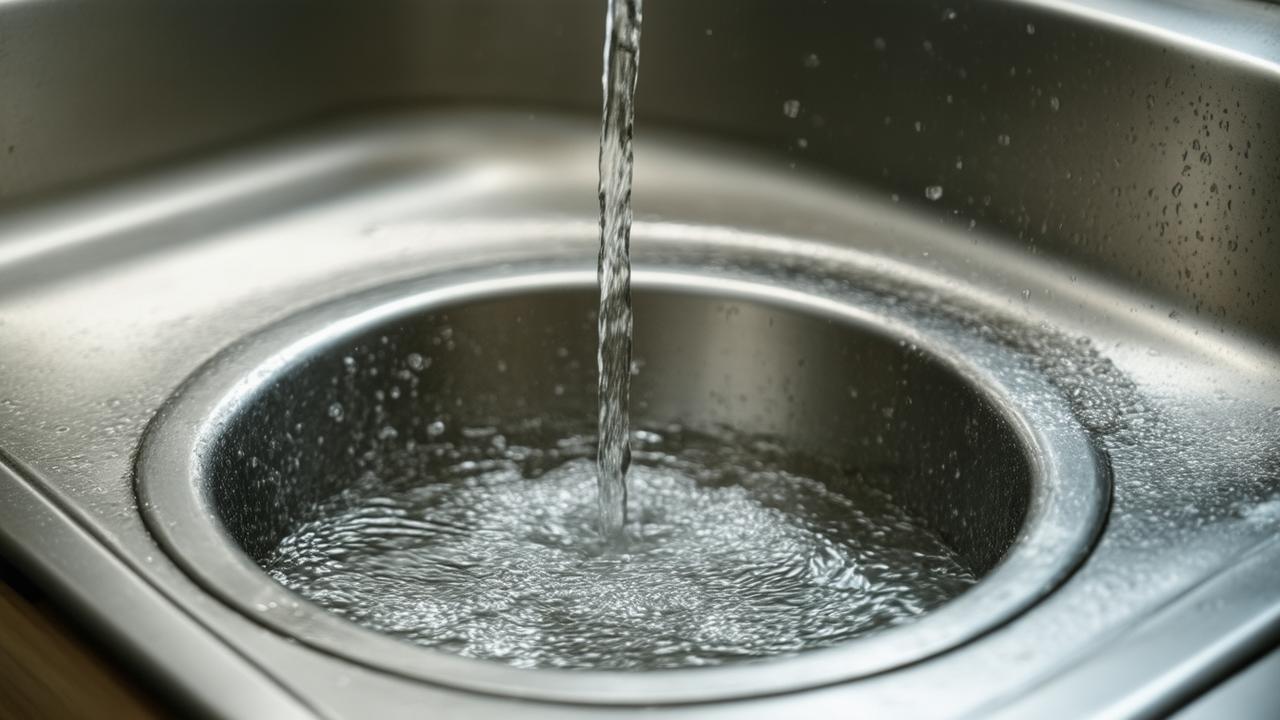
The sound came first—a lazy, indignant gurgle from the kitchen sink that made you pause mid-step. It wasn’t a full-blown emergency yet, just that subtle, swampy burp that hints at trouble brewing out of sight. You run the tap to rinse a mug, and the water doesn’t disappear the way it usually does. It lingers, rises a little, carrying with it a faint smell of something old and tired living in your pipes. In that small moment, your calm home feels slightly off-balance, like the woods just before a storm when the air turns heavy and the birds go quiet.
When the Drain Starts Talking Back
If you’ve lived in any home long enough—apartment, farmhouse, city walk-up—you know that drains are like quiet roommates with moods. They accept every small offering: a little soap, a curl of hair, a splash of cooking oil, a lost grain of rice. For a while, they take it all in silence. Then one day, they answer back with that slow swirl, a ring left behind on the porcelain, a faint smell skimming just under the scent of your dish soap.
The first instinct, for many people, is to make a dash for the pantry: baking soda and vinegar, the old internet favorite. You pour, you fizz, you wait, you hope. Sometimes it helps. Sometimes it doesn’t. And sometimes it just creates a brief, overly dramatic chemistry show that leaves the real problem sitting there, thick and unmoved, deeper in the dark curve of the pipe.
There’s another instinct too: the brightly colored bottle of commercial cleaner, the one with cartoon thunderbolts and warnings in bold print. It promises power, speed, a kind of violent salvation. But underneath the promise, there’s often a quiet unease. What happens to that liquid once it barrels through your pipes and rushes into the wider water systems? What does it do to the small lives downstream, the invisible ecosystems we never see but always rely on?
So you find yourself in the middle: wanting something that works, but also something that doesn’t feel like pouring a small chemical war into your sink. And maybe you’re tired of the same two ingredients—vinegar and baking soda—being treated like magic words. You want a method that feels both grounded and effective, something that belongs to the real, physical world of pipes and pressure and patience.
The Secret Life of Your Pipes
To understand an effective way to clean a drain without vinegar or baking soda, it helps to imagine what’s actually happening inside those narrow, unseen corridors under your sink. Picture the interior of the pipe not as a smooth tunnel, but as a landscape—one that slowly gathers layers over time. There’s a sticky film of soap residue, like a faint slick on a river rock. There are patches of congealed grease, clinging stubbornly like wet clay. Bits of food, threads of hair, strands of dental floss someone thought “would probably be fine.”
The clog is rarely just one big offender. It’s a team effort, a slow stacking of small items that find one another and join hands, until the pipe narrows and the water has to squeeze past like hikers in a crowded canyon. You may not see it, but you can feel it in the way the drain takes a deep breath before finally swallowing the water.
Now imagine trying to solve that with a single splash of acid and fizz. Sure, chemical reactions can nibble away at certain elements: mineral buildup, some organic materials. But the real hero for most household drains isn’t a dramatic substance—it’s movement, heat, and simple, steady force. Think of rivers cutting through rock not because they are caustic, but because they are persistent and always in motion.
A Simple, Physical Method That Actually Works
There is a method of drain cleaning that doesn’t rely on vinegar, baking soda, or harsh chemical brews. It’s almost old-fashioned in its practicality, less like casting a spell and more like rolling up your sleeves and walking into a stream with a good pair of boots.
At its heart, this method uses three things: very hot water, mechanical cleaning, and, where needed, a mild, biodegradable soap or surfactant. Think of it as a reset for your pipes—the way a hard rain flushes a forest path clean of dust and leaves.
Step 1: Boiling Water, Poured Like a River
Start with a kettle or large pot of water. Bring it to a rolling boil—let it shout with steam and movement. When it’s ready, slowly, carefully, pour the water directly down the drain in stages. Not all at once, but in deliberate waves. Pour, pause for twenty to thirty seconds, then pour again. Feel the heat radiate from the basin; hear the subtle shift in the sound of the drain as the hot water loosens fats and softened buildup along the inner walls.
Hot water alone won’t dissolve everything, but it softens, melts, encourages. Grease responds especially well to this; it slumps, gives up its rigid hold, becomes something more willing to move, like wax near a candle flame.
Step 2: A Drain Snake or Zip Tool—Your Pipe’s Forest Path Cleaner
Next comes the part that feels oddly satisfying in a hands-on way: the mechanical cleaning. This can be as simple as a plastic zip tool with small barbs, or a flexible metal drain snake you can turn by hand. Slide it gently into the drain, past the stopper if there is one, guiding it with the kind of patience you’d use threading a line through tall grass.
There is a certain quiet, primal satisfaction in this step. You twist and coax, and at some point you feel it—the soft snag of resistance, that unmistakable contact with the hidden buildup. Carefully pull the tool back out, and with it comes a dark, tangled clump: hair, soap scum, maybe a bit of forgotten food or lint. The very thing that’s been turning your clear water into a reluctant pool.
It’s not glamorous. It won’t win any awards for elegance. But in terms of effectiveness, this physical removal is one of the most direct, environmentally gentle actions you can take. You’re not hoping something dissolves. You’re taking it out of the system entirely.
Step 3: A Mild, Soapy Flush
Once you’ve removed what you can mechanically, give the drain a smaller, more deliberate cleanse. In a bowl or jug, mix very hot (not quite boiling) water with a small amount of liquid dish soap—just enough to make the water slightly silky and cloudy. The soap doesn’t need to be intense; its job is to help break surface tension, coat the inside of the pipe, and escort any remaining loosened grime on its way down.
Pour this mixture slowly down the drain, again in a few stages. Then follow it with a final rinse of hot water. What you’re doing is sending a warm, soapy current through your miniature canyon, smoothing the rough edges and carrying away the bits that were clinging just beyond reach.
The Quiet Tools That Make a Big Difference
You don’t need a complicated arsenal to keep drains clear this way. Instead, you assemble a small, thoughtful kit—tools that feel a bit like camping gear for your plumbing: simple, durable, and always ready for the next minor storm.
| Tool / Item | Purpose | Best For |
|---|---|---|
| Kettle or Large Pot | Provides boiling water to soften grease and buildup | Kitchen sinks, bathroom sinks |
| Plastic Zip Drain Tool | Hooks and removes hair and debris from the pipe | Bathroom sinks, showers, tubs |
| Manual Drain Snake | Reaches deeper clogs further down the line | Stubborn kitchen or main-line clogs |
| Rubber Plunger | Uses pressure to dislodge soft, partial blockages | Sinks and tubs with standing water |
| Mild Liquid Dish Soap | Acts as a gentle degreaser and surfactant | Grease-heavy kitchen drains, maintenance flushes |
With just these few items, you have the makings of a routine that’s kinder to your pipes and the world beyond them. No acrid fumes, no harsh residues. Just heat, motion, and a bit of patience.
Making It a Ritual, Not a Rescue Mission
The most effective drain cleaning is the kind that doesn’t wait for disaster. It’s like tending a trail through a field: the more often you walk it, the clearer it stays. Wait too long, and brambles take over.
Once a month, imagine giving your drains a “mini reset.” Boil a kettle of water, pour it in measured waves. Follow with a modest flush of hot, soapy water. For bathroom drains, run the plastic zip tool in and out quickly before your shower one morning, returning with a small catch of hair that would otherwise have slowly knitted itself into a future blockage.
➡️ 3 Primary Health Benefits of Consuming Ginger Juice
➡️ The Tank Water Heater’s Sediment Build-Up Robs Efficiency And Mimics The Sound Of A Failing Appliance
➡️ The United States invests in rotating detonation engine technology to make its next-generation hypersonic missiles more reliable
➡️ A rare giant bluefin tuna is officially measured and confirmed by marine biologists adhering to strict peer-reviewed protocols
➡️ After 60, quitting these nine habits can dramatically improve happiness
➡️ From February 8, pensions will rise only for retirees who submit a missing certificate, triggering anger among those without internet access
➡️ While digging a home swimming pool, a French homeowner unearthed a cache of gold bars valued at €700,000, creating a legal quandary
There’s something unexpectedly grounding about this small ritual. You’re reminded that your home is a living system of sorts, full of channels and passages, things moving and things sticking. You become less of a passive user of the space and more of a quiet caretaker, like someone who knows when the forest path needs trimming or when the rain barrel should be emptied.
Knowing When to Stop and Call for Help
Even with the best habits, there are moments when a drain is telling a deeper story. If the water refuses to move at all, if multiple drains in your home are sluggish at the same time, or if you hear ominous gurgling from a neighboring fixture when you run water in another, you may be facing a clog further down the main line. This isn’t the realm of kettles and zip tools anymore; it’s the underground river.
In those cases, it’s wise—not weak—to bring in a professional. They have longer, more powerful augers, cameras that can peer into the long, damp corridors beneath your floors, and the experience to read the subtle signs your system is sending. Think of it the way you might think of calling in a trail expert when a landslide has blocked your favorite path. Some problems are bigger than a hand tool can handle, and recognizing that is its own kind of stewardship.
But for the everyday slow swirl, the not-quite-clog: you have more power than you think. Without reaching for vinegar, without chasing the fizz, you can rely on heat, movement, and a few simple tools to restore the easy disappearance of water down the drain.
Living With the Hidden Rivers in Your Home
There’s a quiet intimacy to understanding the way water moves through your home. It’s easy to forget that every time you turn a tap, you’re connecting to a whole network: pipes you rarely see, treatment plants far away, streams and lakes that receive whatever you send. Choosing a method of drain cleaning that doesn’t lean on harsh chemicals is not just about avoiding a headache or protecting your hardware. It’s also about respecting those unseen rivers beneath your floorboards and far beyond your house.
In the end, an effective drain cleaning method without vinegar or baking soda isn’t some secret hack—it’s a return to fundamentals. Hot water that softens, tools that reach and remove, gentle soap that helps everything slide along. Simple, quiet actions that, over time, keep the small rivers in your home flowing freely.
The next time your sink hesitates, the next time you hear that sluggish gurgle, you don’t have to panic or stage a homemade science experiment. You can put the kettle on, reach for your modest toolkit, and tend to your drains the way a careful walker tends to a well-loved trail—one clear path at a time.
Frequently Asked Questions
Can hot water alone unclog a drain?
Hot water alone can sometimes clear minor clogs, especially those caused by grease or soap buildup. It softens and loosens material, making it easier for it to move down the line. For more stubborn clogs, combining hot water with mechanical cleaning (like a drain snake or zip tool) is usually much more effective.
Is dish soap safe to use in drains as a cleaner?
Yes, mild liquid dish soap is generally safe for household drains and can help break down grease and oils. Use it sparingly with very hot water. Avoid pouring large quantities regularly, as excess soap can contribute to buildup if not flushed with enough water.
How often should I do a preventative drain flush?
For most homes, a monthly flush with boiling water followed by a smaller hot, soapy rinse is a good routine. In kitchens where a lot of cooking oil and food residue go down the sink, doing this every two weeks can help prevent slow drains.
What if my drain is still slow after using a snake and hot water?
If you’ve tried boiling water, a drain snake, and a soapy flush—and the drain is still slow—there may be a deeper clog further in the line. At that point, using a plunger may help. If multiple fixtures are affected or the problem persists, it’s best to call a professional plumber.
Are chemical drain cleaners ever necessary?
Chemical drain cleaners can sometimes work on certain types of clogs, but they carry risks: they can damage older pipes, create fumes, and introduce harsh substances into the water system. Because of these drawbacks, it’s better to try hot water, physical tools, and gentle methods first, and reserve chemical cleaners as a last resort—or skip them in favor of professional help.





