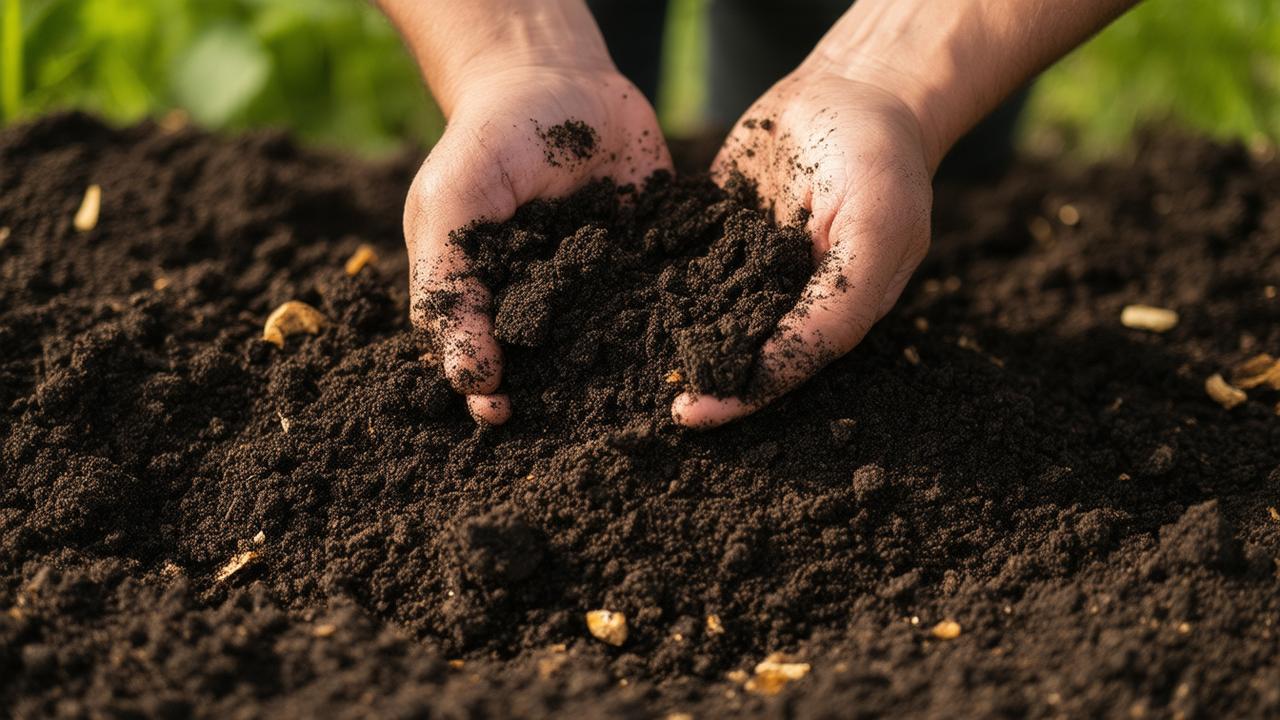
The first time I watched a gardener toss a pile of carrot tops and corn husks straight onto a bed of soil instead of into the trash, I remember thinking: That can’t possibly work. The sun was sinking, the air smelled faintly of tomato vines and wet earth, and this older woman in dirt-streaked overalls just kept smiling as if she knew a secret. “This,” she said, nudging a heap of onion skins with her boot, “will feed this bed better than any bagged fertilizer.” It felt like I’d been handed a backstage pass to the garden’s private economy — one where nothing was really waste, and every leftover carried a quiet kind of power.
The Hidden Gold in Your Harvest Leftovers
If you’ve ever stood over a kitchen counter after a big night of chopping — corn cobs, pea pods, beet greens, piles of onion skins, and that sticky layer of tomato seeds — you know the scene. Most of us sweep it all into a bin and move on. But garden experts keep insisting: these scraps aren’t trash, and they’re not just “compost someday” either. Used right, they can become a direct, living, slow-release feast for your soil that beats many commercial fertilizers, both in richness and subtlety.
Think about the journey of a plant. All season, your tomatoes, beans, and squash draw minerals and trace elements up from deep in the earth. They concentrate those nutrients in their leaves, stems, skins, and seeds. When we harvest, we usually take the choicest bits for ourselves — the sweet kernels, tender leaves, perfect fruit — and ignore the rest. But from the soil’s perspective, the “rest” is the real treasure coming home.
Gardeners who lean into this idea don’t just compost; they cycle. Leftover stalks, peels, shells, and skins become a kind of homegrown, custom-blended fertilizer — full of calcium, potassium, silica, and a cocktail of micronutrients that reflect your own soil’s mineral fingerprint. Over time, this makes your soil richer, darker, bouncier underfoot, and more alive than any bag of bright-blue crystals ever could.
Five Leftovers Garden Pros Treat Like Liquid Gold
1. Tomato Skins, Seeds, and Pulp: The Potassium Powerhouse
Run your fingers over a tomato vine at summer’s peak and you’ll feel that faint stickiness, smell that sharp, green-tomato scent that clings to your skin. Tomatoes are hungry plants, heavy feeders pulled up on a diet rich in potassium, calcium, and a suite of trace minerals. All of that ends up in the skins, seeds, and leftover pulp that usually gets rinsed down the sink.
Garden experts love to save those bits. Dried and crushed, tomato skins can be sprinkled around fruiting crops as a slow-release potassium source. Fermented in a jar of water for a week or two — stirred now and then — the pulp and seeds form a cloudy, tangy-smelling “tomato tea” that, when diluted, acts like a gentle liquid fertilizer. Used around peppers, roses, and of course, more tomatoes, it coaxes stronger stems, better flowering, and more intense fruiting.
There’s one small caution whispered like a ritual in every experienced garden: never return obviously diseased tomato foliage or fruit to the soil surface. But clean kitchen leftovers from healthy plants? Those are your garden’s version of a vitamin drink.
2. Corn Cobs and Husks: Slow-Burn Carbon and Microbe Fuel
When harvest time comes and a pile of corn husks and naked cobs builds beside your cutting board, you’re looking at what soil scientists would call “high-carbon structure” — and what a gardener might simply call “future spongy soil.” Corn leftovers are low in nitrogen but rich in carbon and silica, making them perfect for building long-term soil structure.
Chopped roughly and buried in trenches down garden paths or between rows, cobs slowly break down over many months, feeding soil life as they go. They act like a scaffold underground — tiny tunnels and pockets where air and water move more freely. Favoring corn husks and cobs over bagged, quick-hit fertilizers encourages a slower, more resilient kind of fertility that doesn’t wash away with the first heavy rain.
Some gardeners char the cobs lightly and add them to beds as biochar — a more advanced trick — but even simply chopping and burying them helps. Your soil becomes less like pressed brick and more like crumbly cake, full of air, worms, and invisible fungi weaving everything together.
3. Brassica Leaves and Stems: The Mineral Miners
Walk through a bed of harvested cabbage or broccoli and you’re left with hulking stalks, giant leaves, and stubs where perfect heads once were. Most people yank them and toss them aside. But brassicas — cabbage, kale, broccoli, collards — are deep diggers. Their roots pull up minerals from layers of soil other plants never reach.
Those thick leaves and stems are charged with calcium, sulfur, and other micronutrients that benefit the next generation of crops. Garden experts often chop brassica leftovers right where they stand, letting them fall as a leafy mulch that slowly melts back into the bed. This “cut and drop” method essentially turns your harvest residue into an in-place fertilizer — no hauling, no bags, no store-bought amendments.
As the leaves soften and decompose, they don’t just feed the soil; they shade it, keeping moisture in and heat stress down. Worms thread themselves through the fading fibers, dragging fragments deeper. In a season or two, beds treated this way feel richer, more open, and carry a kind of quiet momentum; each crop sets the table for the one that follows.
4. Onion and Garlic Skins: Tiny Shields and Micronutrient Boosters
There’s something oddly satisfying about peeling onions — the papery skins whispering against your fingers, the faint sting in your eyes, the aromatic burn building in the air. Those skins feel weightless, inconsequential. But they’re far from empty.
Onion and garlic skins carry trace amounts of potassium, calcium, and antioxidant compounds that many growers swear help strengthen plant defenses. While not a replacement for balanced nutrition, they’re a subtle, steady supplement. Dried and crushed, they can be worked into topsoil around heavy feeders like tomatoes, peppers, or even potted plants.
Some gardeners brew a simple “skin infusion” by soaking the papery layers in a bucket or jar of water for a couple of days, then straining and diluting that amber-tinted liquid to water seedlings or stressed plants. The smell is soft and earthy, a hint of kitchen and garden mingled together. It’s not magic, but as part of a pattern of using leftovers, it layers in gentle support that synthetic fertilizers often overlook.
5. Legume Shells and Vines: Nitrogen’s Quiet Return
Snap open a pea pod or shell a bowl of beans, and you can almost feel the plant’s story under your fingertips — those seeds plumped on nitrogen fixed from the air by the plant’s root-dwelling bacteria. After harvest, we eat the peas and beans, but the pods, vines, and even roots still hold echoes of that nitrogen wealth.
That’s why experienced gardeners rarely waste legume leftovers. Pulled vines are laid back on the beds, chopped if thick, or lightly buried. Pods, stems, and leaves decompose relatively quickly, releasing nitrogen and other nutrients right where the next crop can find them. Even leaving the roots in place after cutting the tops at soil level keeps underground channels and nodules slowly feeding soil life.
Instead of reaching first for a nitrogen-heavy fertilizer, many gardeners rely on this cycle: grow beans and peas, harvest, return the remains to the bed, and then plant hungrier crops — like brassicas or corn — in the enriched soil. Over seasons, the garden begins to feel like it’s breathing in and out, building its own fertility with your help, rather than depending on external boosts.
➡️ The neighbor hasn't seen her for two years: a retiree uses her social housing as a second home and contests her eviction
➡️ People who snack constantly often confuse boredom with hunger
➡️ Astronomers confirm the century’s longest eclipse will briefly turn day into night
➡️ In Finland, many homes are heated without radiators, using a simple everyday object you probably already own
➡️ The neighbor hasn't seen her for two years: a retiree uses her social housing as a second home and contests her eviction
➡️ Astronomers release stunning new images of the interstellar comet 3I ATLAS, captured across multiple observatories with unprecedented clarity
➡️ Once dismissed as a “poor people’s fish,” this affordable species is becoming a prized staple as Brazilians rediscover its safety and nutritional value
From Scraps to Soil: Simple Ways to Use Harvest Leftovers
All of this sounds beautiful in theory, but what does it look like in the real, slightly chaotic rhythm of a home garden and kitchen? The key is to fold these habits into what you already do, so that “using leftovers” becomes as natural as rinsing a cutting board.
Here’s a simple comparison that many gardeners find helpful when they’re deciding what to do with each type of leftover:
| Harvest Leftover | Best Use in the Garden | Benefits |
|---|---|---|
| Tomato skins & pulp | Dry & crush as mulch, or ferment in water as liquid feed | Boosts potassium, supports flowering and fruiting |
| Corn cobs & husks | Chop and bury in trenches or paths | Improves soil structure, long-term carbon source |
| Brassica leaves & stems | Chop and drop as surface mulch | Returns deep-mined minerals, shades and cools soil |
| Onion & garlic skins | Crush into topsoil or brew a short infusion | Micronutrient boost, subtle support for plant resilience |
| Pea & bean pods, vines | Lay on beds or lightly bury; leave roots in soil | Recycles nitrogen, feeds next heavy-feeding crop |
None of these methods require complicated systems. After dinner, instead of scraping your vegetable remains straight into the trash, keep a small bowl labeled “for the garden.” Once full, you can decide: Does this become mulch, a trench-filling experiment, or the start of a fermented tea? Over time, small moments like this become muscle memory, and your soil begins to show the difference — darker, looser, richer-smelling, and more forgiving in droughts or heavy rains.
Why These Leftovers Beat the Best Fertilizer
Ask a seasoned gardener why they trust harvest leftovers more than store-bought fertilizer, and you’ll likely get a quiet smile before the explanation. The bottled or bagged stuff works, yes; it can jolt plants into growth, color, and fast results. But the garden doesn’t really live on jolts. It thrives on relationships.
Leftovers from your own harvest carry the exact minerals your soil already circulates, in gentle, complex forms that feed not just plants, but the vast underground web of fungi, bacteria, and tiny creatures. When you return those remains, you’re not just fertilizing; you’re closing loops. Instead of pouring in manufactured nutrients that can easily burn roots or wash away into waterways, you’re offering food at the pace of decomposition — slow, steady, buffered by biology.
There’s also something quietly radical in believing that your garden already holds what it needs to become better, that your job is not to purchase fertility but to notice it, gather it, and return it. As you walk through beds scattered with chopped stalks and softening pods, you begin to see your plants differently. That pile of husks is next season’s root system. Those spent vines are tomorrow’s lush leaves. The garden, in its patient way, keeps whispering: nothing is wasted here, unless you decide it is.
FAQs
Can I use any vegetable leftovers directly in the garden?
Most plant-based leftovers can be used, but avoid adding diseased plant material or heavily oiled, salted, or cooked food scraps directly to beds. Stick to clean, raw harvest remains and kitchen trimmings from healthy plants.
Will harvest leftovers attract pests if I leave them on the soil surface?
Chopping leftovers into smaller pieces and lightly covering them with soil or existing mulch helps reduce pest interest. Large, fresh piles of sweet material, like melon rinds or fruit peels, are better sent to a compost bin than left exposed on beds.
Do harvest leftovers replace compost completely?
No. They complement compost. Direct use of leftovers feeds soil life where it matters most, while composting concentrates and stabilizes a broader range of organic matter. Many gardeners do both for best results.
How long does it take for these leftovers to improve my soil?
You may notice small changes in a single season — better moisture retention, more worms, slightly richer soil. Significant, lasting improvement usually shows up after a couple of years of consistent practice.
Can I still use store-bought fertilizer if I’m recycling my harvest leftovers?
Yes. Some gardeners blend both approaches, using small amounts of purchased fertilizer for quick corrections while relying on leftovers and compost for long-term soil health. Over time, many find they need far less from the store as their soil becomes naturally fertile.





