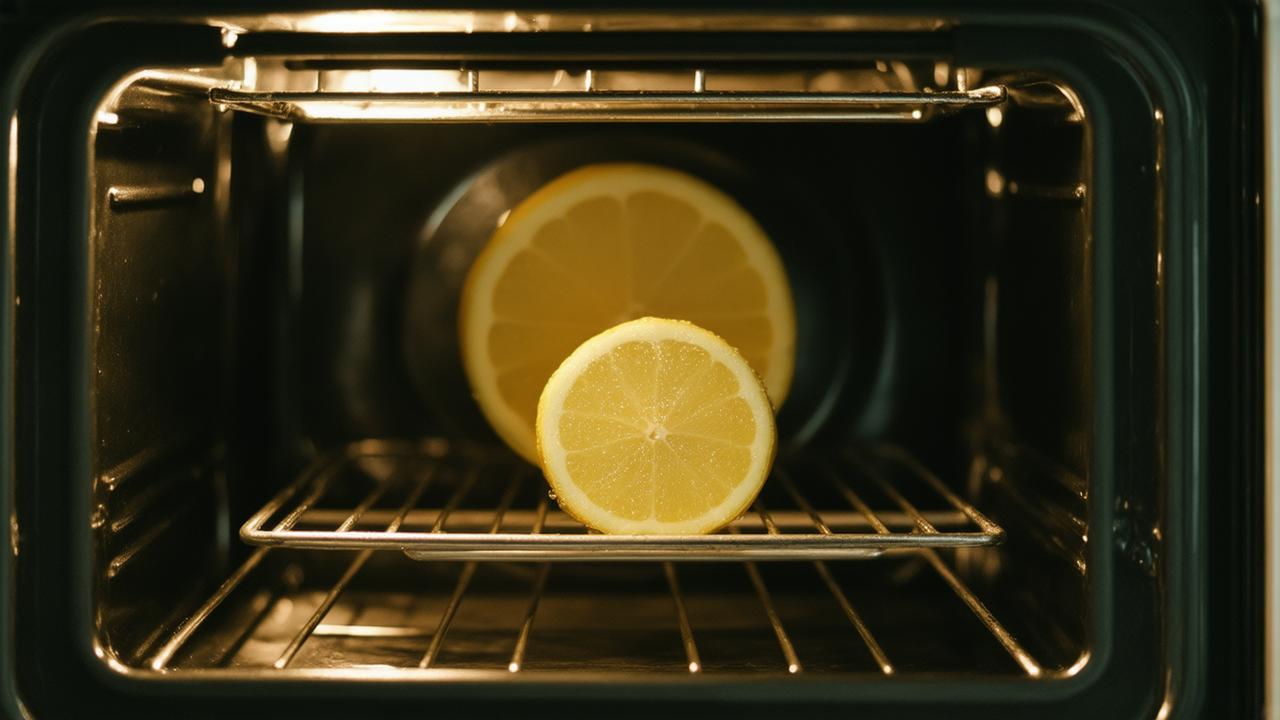
The first time I saw someone slide a single lemon slice onto the rack of a completely cold oven, I thought they’d lost the plot. The oven wasn’t turned on. There was nothing inside to bake. Just a thin crescent of citrus glowing quietly in the dim metal box, like some kind of domestic moon. “Trust me,” my friend said, closing the door with a soft click. “By tonight, this whole kitchen is going to smell different.”
The quiet rise of the lemon-in-the-oven ritual
You’ve probably seen it by now—on social media, in a friend’s kitchen, or tucked into a casual cleaning hack video: someone takes a bright yellow lemon, cuts a slice, and places it inside their cold oven. No fancy tools. No special recipe. Just lemon, metal, and time.
It feels almost ceremonial. There’s something oddly grounding about it, like lighting a candle, except this ritual lives in the realm of scent and steam instead of flame and wax. People swear by it: fresher kitchens, calmer minds, less lingering cooking odors. Some even claim it changes the mood of their entire home.
So what’s going on here? Is this just another viral quirk, or is there something quietly true about that single lemon slice resting on your oven rack?
What the lemon is really doing in there
Let’s strip away the mystique for a moment and just think about the fruit. A lemon slice is a tiny chemistry lab disguised as a sunny yellow disc. Inside is citric acid, aromatic oils, and water—simple ingredients, but surprisingly powerful when they’re allowed to interact with air, metal, and, eventually, gentle heat.
When you place a slice of lemon in a cold oven, three subtle things begin to happen:
- Scent softens the space: Even at room temperature, lemon oils and vapors slowly escape into the air. Over hours, that slightly stale smell some ovens carry—the ghost of old casseroles and burnt cheese—starts to loosen its grip.
- Moisture and acid get ready to work: When you later turn the oven on low (or use it for cooking), the lemon slice warms up. Heat releases more fragrance and lets the citric acid-laced moisture spread over the oven’s interior, lightly coating surfaces with a gentle, natural cleaner.
- Odor “reset” effect: Lemon doesn’t just cover odors; its compounds can help neutralize them, especially the greasy, heavy notes that like to linger after roasting or frying.
No magic. No secret ingredient. Just a slow, quiet, aromatic reset button for the heart of your kitchen.
When the lemon slice actually helps (and when it doesn’t)
As comforting as the ritual looks, a single lemon slice in a cold oven won’t solve every problem. It’s not a scrub brush. It’s not an industrial-strength cleaner. Think of it as an enhancer, not a miracle worker.
Here’s when it actually helps:
- After cooking something smelly: If you’ve just baked fish, roasted garlic, or melted a cheese that could stun a small animal, placing a lemon slice in the cooling oven and then warming it gently later can soften the aftermath.
- Between deep cleans: On weeks when you’re not up for a full oven scrub, a lemon slice can keep things from getting oppressively stale until you have the energy to tackle the grime.
- Before guests arrive: That faint whisper of citrus when someone walks into your kitchen? It’s subtle, but it shifts the atmosphere from “lived-in” to “lightly cared for.”
- As a mood ritual: There’s comfort in small, sensory routines. Cutting a lemon, breathing in the scent, placing it on the rack—it’s a way of telling yourself, “I’m tending to this place. I’m tending to myself.”
And when doesn’t it help?
- Heavy burnt-on mess: If your oven walls look like a map of ancient lava flows, a lemon slice will not rescue you. You’ll need real cleaning, maybe a paste of baking soda and water, and some patient scrubbing.
- Mechanical issues: Lemon won’t fix poor heating, weird noises, or any actual oven malfunction. That’s strictly human (or professional) territory.
- Strong chemical residues: If you’ve just used a harsh cleaner, don’t rely on lemon to “neutralize” it. Ventilate well, wipe thoroughly, and let the oven air out.
The lemon slice is like the gentle friend who freshens the room after the heavy lifting is done—not the one who does the lifting for you.
The simple “lemon-in-the-oven” method (that actually makes sense)
If you want to try this little ritual in a way that’s more than just symbolic, you can build a short, sensory routine around it. It doesn’t need to be perfect, but it does help to be intentional.
Here’s a practical, grounded way to put your lemon slice to work:
- Start with a quick wipe: Once the oven is completely cool, remove obvious crumbs or loose bits with a damp cloth or paper towel. No need for a full scrub—just get the worst of it out.
- Cut a fresh lemon slice: Thick enough to stay juicy, thin enough to lie flat. As the knife moves through the rind, pause and actually smell it. That sharp, clean scent is exactly why you’re doing this.
- Place it on a small, oven-safe dish or sheet: You can put it directly on the rack, but a little dish keeps things tidier and easier to remove later.
- Let it sit in the cold oven: Close the door and just leave it there for a few hours, or even overnight, especially if you’ve recently cooked something strong-smelling.
- Gently warm it: When convenient, turn the oven to a low temperature—around 90–120°C (200–250°F)—for 20–30 minutes. The kitchen will slowly fill with warm, rounded lemon scent—less sharp, more comforting.
- Cool and wipe: Turn the oven off, let it cool a bit, then use a damp cloth to lightly wipe down the inside walls and door. Some of that lemon moisture will mix with surface grime, making it a bit easier to lift.
And that’s it. No drama. No thirty-step hack. Just a small, sensory act of maintenance that makes the kitchen feel a bit less like a machine room and a bit more like a place of care and ritual.
Other quiet ways people use that same lemon
Rarely does the lemon stop at the oven. Once people start playing with this tiny fruit in their cooking space, it shows up in other corners of the kitchen too. One lemon, several small shifts in how home feels.
| Use | How it’s done | What it adds |
|---|---|---|
| Stovetop steam clean | Simmer lemon slices in a small pot of water, lid off. | Loosens grease film and infuses air with citrus. |
| Microwave refresh | Heat lemon in a bowl of water, then wipe interior. | Softens splatters; cuts old food odors. |
| Cutting board reset | Rub a juicy half over the board; rinse and dry. | Lightly deodorizes and brightens wood or plastic. |
| Sink-side companion | Keep spent lemon halves near the sink; rub on hands after chopping garlic or fish. | Reduces clingy food smells on skin. |
All of these are simple, nearly cost-free habits that quietly shift the sensory tone of your kitchen from “used” to “lived in with care.” The lemon in the cold oven is just one member of that small, citrusy family.
Why this tiny ritual feels so strangely satisfying
There’s a reason this hack spread faster than, say, “remember to clean your oven gasket,” which is equally practical but far less loved. The lemon slice trick is as much about how it feels as what it does.
In a world that often tells us that improving our homes requires big purchases, remodels, or perfectly staged spaces, this tiny action whispers something gentler: you can make a difference with almost nothing. A single piece of fruit. A moment of attention. A scent that makes you want to breathe a little deeper in your own kitchen.
➡️ France suffers a €3.2 billion blow as a last-minute reversal kills a major Rafale fighter jet deal
➡️ Neither boiled nor raw : the best way to cook broccoli for maximum antioxidant vitamins
➡️ France turns its back on the US and drops €1.1 billion on a European detection “monster” with 550 km reach
➡️ Day will turn to night during the longest total solar eclipse of the century occurring across regions
➡️ No more duvets in 2026? The chic, comfy and practical alternative taking over French homes
➡️ Seniors behind the wheel: will licenses be pulled automatically after 70 from ?
➡️ Goodbye kitchen cabinets: the cheaper new trend that won’t warp, swell, or go mouldy over time
It’s also wonderfully forgiving. Forget to take the lemon out for a day? No disaster. Don’t measure the temperature exactly? It’ll still help. This isn’t precision chemistry; it’s a domestic ritual, meant to bend around your real, busy life.
On the days when dishes stack higher than you’d like and crumbs scatter under the table, that small slice of lemon in the oven can feel like a quiet promise: the house does not have to be spotless to be cared for. You don’t have to be perfect to offer yourself a cleaner, softer place to live.
When evening comes and you open the oven door—maybe to bake something, maybe just to check—the faint, warm note of citrus waiting inside can feel like a reminder that you did one small, kind thing for this space you live in. And often, that’s enough to shift the whole day a few degrees toward lightness.
FAQs
Does putting a lemon slice in a cold oven really clean it?
Not in the heavy-duty sense. A lemon slice can help loosen light grime and reduce odors, especially when gently heated, but it will not replace scrubbing or a proper cleaning routine for baked-on messes.
Is it safe to leave a lemon slice in the oven overnight?
Yes, as long as the oven is completely turned off and cool. Many people place the slice in a cold oven overnight and then gently heat it the next day. Just remember to remove it before you preheat to high temperatures for baking.
Can I reuse the same lemon slice more than once?
You can use it for a day, possibly two, but it will dry out and lose its scent and moisture. For best effect, use a fresh slice each time you want a noticeable result.
Will this damage my oven?
Used sensibly, no. A single lemon slice at low heat will not harm your oven. Avoid leaving large pools of liquid in the bottom of the oven and always place the lemon on a dish or small tray if you’re concerned about drips.
Can I use lime or orange instead of lemon?
You can, but lemon tends to offer the best mix of acidity and strong, clean scent. Limes are similar but slightly less fragrant; oranges are sweeter and milder. If you enjoy experimenting, you can even combine a lemon and an orange slice for a softer, rounded aroma.
Do I have to heat the oven for this to work?
Even in a cold oven, a lemon slice will slowly release some scent, but gentle heat significantly increases its effect. For a noticeable freshening, warming the oven on low for 20–30 minutes works far better than leaving it completely cold.
How often should I do the lemon-in-the-oven ritual?
That depends on your cooking habits. Once every week or two is enough for many people. If you cook a lot of strongly scented foods, you might enjoy doing it after particularly aromatic meals or before guests come over.





