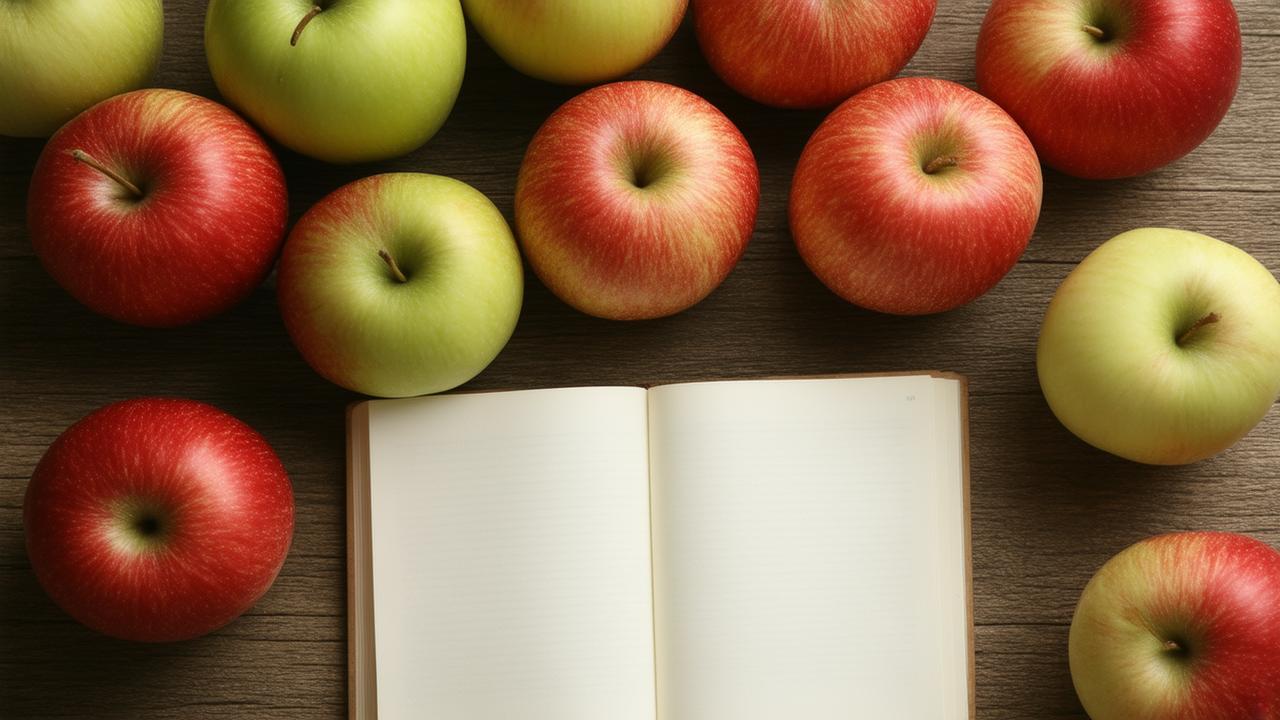
The first time you realize that not all apples are created equal is usually in front of an oven. Maybe it’s that moment you pull out a pie that smells like cinnamon and childhood—and finds, to your horror, that the filling has turned into a thin, sweet soup with a few pale slices of something resembling apple ghosts. Or maybe it’s the opposite: a dense, dry crumble where the fruit never softened, stubborn as pebbles under the streusel. That’s when you understand: choosing the right apple is not a detail. It’s the whole story.
Why One Apple Can Make or Break a Dessert
Every apple carries its own personality: some snap clean under your teeth, others give way with a gentle sigh; some shout with tartness, others murmur sugar-soft and floral. When you bake, cook, or blend them, those personalities don’t disappear—they transform. A pie apple needs enough spine to hold its shape, enough juice to be luscious, and enough flavor to stand up to butter, sugar, and spice. A sauce apple, on the other hand, should collapse willingly, melting into velvet at the touch of heat.
It’s easy to think, “An apple is an apple, right?” But stepping into the world of varieties is like stepping into a farmers’ market at peak season: Honeycrisps stacked in glossy towers, Granny Smiths with their electric green glare, russets that look like they were rolled in cinnamon dust, obscure heirlooms with names that sound like characters from old storybooks. Each has a secret talent—a dessert it was practically born to complete.
To choose well is to think like a matchmaker: Which apple belongs in which dessert? Who wants to be baked, who loves being poached, who shines when left raw and crisp? Once you learn that language—texture, sweetness, acidity—your desserts start coming out of the oven not as hopeful experiments, but as confident, repeatable triumphs.
The Three Things That Matter Most: Texture, Sweetness, and Tang
Walk through your favorite orchard in autumn and listen to the apples when you bite. That sound, that crunch or lack of it, is the first clue. Dessert apples live and die by three traits: how they feel, how sweet they are, and how bright their acidity runs.
Texture: Will It Hold or Will It Melt?
Think of apples on a spectrum. On one end: firm, structural fruits like Granny Smith, Pink Lady, Braeburn. These are your architects. They hold shape in high heat and long bakes, which makes them perfect for pies, tarts, galettes, and any dessert that asks the apple to remain recognizably itself.
On the other end: tender, quick-to-soften apples like McIntosh or Cortland. They slump, they collapse, they surrender. That’s exactly what you want for applesauce, apple butter, and silky fillings that should blur into something almost spoonable.
Sweetness: Sugar in the Fruit or Sugar in the Bowl?
Every dessert dances between sweetness and restraint. Apples bring their own sugar to the party, and that sweetness lets you adjust how much additional sugar you add. A naturally sweet apple, like Fuji or Gala, makes sense when you want a dessert that tastes bright and apple-forward without being drowned in added sugar—think quick breads, muffins, or raw apple salads.
Meanwhile, tart apples (Granny Smith, Northern Spy) are like the sour backbone of a good cocktail: they keep the sweetness in check. In rich desserts—pies heavy with butter crust, crumbles thick with brown sugar and oats—that acidity keeps you from taking two bites and giving up. It invites you in for a third, then a fourth.
Acidity: The Secret to “Wow, That Tastes Like Fall”
Acidity is what makes your mouth water and your brain say, “more.” It keeps flavors vivid even after long baking times. Without enough tartness, apples can taste flat, like a memory of fruit instead of the real thing. This is why so many bakers swear by mixing varieties: a sweet, perfumed apple paired with a tart, structural one. One brings the backbone, the other brings the flare.
The Apple–Dessert Matchmaking Table
Use this table as a quick guide when you’re staring at the produce section (or standing in the orchard, basket on your arm, indecisive). It’s mobile-friendly, so you can literally shop with it in your hand.
| Apple Variety | Flavor & Texture | Best For | Notes |
|---|---|---|---|
| Granny Smith | Very tart, very firm | Pies, tarts, crisps | Holds shape, great with caramel & spice. |
| Honeycrisp | Sweet-tart, ultra crisp | Crumble, fresh eating, salads | Juicy; can soften in long bakes but intense flavor. |
| Fuji | Very sweet, firm | Cakes, muffins, raw desserts | Adds sweetness; mild acidity. |
| Gala | Mildly sweet, tender-crisp | Snacking, quick breads | Softens quickly; better for short bakes. |
| McIntosh | Tart-sweet, soft | Applesauce, apple butter | Breaks down fast; not ideal alone in pies. |
| Braeburn | Spicy-sweet, firm | Pies, tarts, roasted apples | Complex flavor; holds shape beautifully. |
| Pink Lady (Cripps Pink) | Bright tart, crisp | Tarts, galettes, salads | Slow to brown; great for pretty slices. |
| Golden Delicious | Sweet, mellow, tender | Pies, cakes, sauces | Keeps shape but soft; blends well with tart apples. |
| Cortland | Mildly tart, soft | Sauce, sliced desserts | Slow to brown; good for layered desserts. |
| Northern Spy | Tart, rich, firm | Traditional pies | Old-fashioned baking favorite in some regions. |
Pies and Tarts: When Apples Have to Stand Tall
Picture a perfect slice of apple pie: You cut through the crust and the knife glides but doesn’t sink. The filling settles softly onto the plate; slices fan out but don’t collapse into mush. That’s structure. That’s the work of the right apple.
For pies and tarts, you’re looking for apples that are firm, pleasantly juicy, and bold in flavor. Granny Smith is the classic for a reason: those tart green wedges refuse to disappear in the oven, and their sharpness cuts straight through the butter and sugar. But bake only with Granny Smith and you can end up with a filling that’s all tang and not enough warmth.
This is where blending varieties becomes almost magical. Mix Granny Smith with something sweeter and more aromatic, like Honeycrisp or Golden Delicious. The Granny Smith holds its shape and brings the acid; the sweeter apples add juice, fragrance, and that nostalgic “apple pie” flavor your memory recognizes immediately.
For rustic tarts and galettes, Pink Lady and Braeburn are outstanding: they keep their form even when exposed, edges caramelizing just slightly under heat. Slice them thin, fan them in spirals, tuck them gently into a buttery crust, and you get clean layers of fruit that look as good as they taste.
Crisps, Crumbles, and Cobblers: Letting the Fruit Sink In
Where pie asks apples to stand tall, crisps and crumbles invite them to sink and nestle. The oat or biscuit topping is there to soak up juices and provide crunch, like a warm blanket over a bed of bubbling fruit. Here, you still want structure—but it can be a little more relaxed.
Honeycrisp, Braeburn, and Golden Delicious excel in this world. They soften enough to spoon easily, but don’t become indistinguishable from each other. A mix works beautifully: a tart apple like Granny Smith alongside a sweeter one ensures every spoonful has balance, a little spark of brightness and a deep mellow sweetness.
Think about what you’re serving alongside. If you know a scoop of vanilla ice cream is non-negotiable, consider leaning more tart with your apple selection so the dessert doesn’t veer into cloying territory. If you’re serving it plain or with unsweetened whipped cream, using a slightly sweeter bake-friendly apple like Golden Delicious or Fuji helps keep every bite comforting and complete.
Cakes, Muffins, and Breads: Apples in the Supporting Role
In apple cakes and muffins, fruit is there for tenderness, moisture, and little pockets of flavor—not to stand front and center the way it does in a pie. You’re working with batters that already contain sugar, so overly sweet apples can push things too far unless you adjust.
Fuji, Gala, and Golden Delicious are gentle companions for baking into batter. They don’t overwhelm with acid, and they bring a clean, approachable sweetness. Grated or finely chopped, they nearly melt into the crumb, keeping it soft and damp in the best way. If you’re making a spiced apple loaf or a dense, rustic cake, consider folding in a slightly tart variety like Braeburn or Pink Lady in small cubes—those little bursts of brightness cut through the richness and give you surprises in every slice.
For upside-down cakes and skillet cakes, where apples sit at the bottom (or top, depending on how you flip it) and cook in butter and sugar, you want something that will hold a little shape but soak up caramel. Braeburn, Honeycrisp, or a firm Golden Delicious do the job sweetly. Thin slices fan beautifully, creating a glossy, bronzed mosaic once the cake is turned out.
Sauces, Butters, and Silky Fillings: When You Want Them to Melt
There’s a particular joy in standing over a pot of applesauce, watching chunks of fruit slowly surrender to heat. The fragrance is like edible nostalgia—steam rising thick with cinnamon and childhood. For this transformation, you need apples that are willing to fall apart.
➡️ Psychology says people who let others go first in line when they seem rushed display these 6 situational awareness traits that most people are too self-focused to develop
➡️ Boiling rosemary is a simple home tip I learned from my grandmother, and it can completely transform the atmosphere of your home
➡️ New ban hitting wood burners announced as fireplace rules changed
➡️ Soon a driving licence withdrawal for senior motorists after a certain age a necessary safety measure or a shocking discrimination against retirees
➡️ Day will turn into night: the longest solar eclipse of the century is already scheduled and its extraordinary duration is astonishing scientists
➡️ No vinegar or baking soda needed : the trick to cleaning your car seats and removing the toughest stains
➡️ Add just two drops to your mop bucket and your home will smell amazing for days no vinegar, no lemon needed
McIntosh, Cortland, and some softer heirlooms are your best allies here. They collapse quickly, meaning you need less time and effort to coax them into a smooth or slightly chunky sauce. Their natural tart-sweet balance makes them flavorful even with minimal sugar. If you like a more complex taste, mix in a firmer, spicier variety like Braeburn or an aromatic Golden Delicious; they add depth and keep the sauce from becoming one-note.
For apple butter—the deep, slow-cooked cousin of applesauce—choose a blend: something soft like McIntosh plus something with richer flavor like Northern Spy or Braeburn. Long, low cooking turns that mix into something dark, intense, and spoon-coating, the kind of spread that makes toast taste like dessert and oatmeal feel like a treat.
Raw and Radiant: Salads, Parfaits, and No-Bake Desserts
Sometimes the best dessert is barely dressed fruit: thin slices of apple on a cheese board, ribbons of apple tangled in a fennel salad, crisp cubes layered with yogurt and granola. Here, texture and how fast the apple browns matter just as much as flavor.
Honeycrisp is the reigning champion for raw eating—explosively crisp, juicy, and balanced. Pink Lady and Braeburn follow close behind, with snappy textures and a bright, wine-like tang that wakes up every bite. Cortland and Pink Lady have a bonus skill: they’re slower to brown, which makes them ideal when your apples will sit out for a bit on a dessert platter or in a trifle.
In parfaits, yogurt bowls, and chilled desserts, consider contrast. Pair sweet apples like Fuji or Gala with unsweetened yogurt or tangy whipped cream; choose tarter ones when your base is already sweet, like vanilla pudding or custard. A handful of toasted nuts, a drizzle of honey, and you have something that tastes far more luxurious than the sum of its ingredients.
Trusting Your Senses: How to Choose an Apple in the Moment
At some point you’ll be in a kitchen with no guidebook, no plan, and only a bowl of mixed apples in front of you. This is when you learn to listen to the fruit itself. Pick one up. Is it heavy for its size? That’s usually a sign of juiciness. Press gently near the stem—is it rock-hard, slightly springy, or already yielding? That tells you how it might behave under heat.
Whenever you’re unsure, slice a piece and taste. If it’s very tart and firm, think pies, tarts, or crisp toppings that will temper and complement it. If it’s sweet and soft, lean toward sauce, cake, or quick bread. If it’s balanced and crisp, you’ve got options: it can go raw into salads and parfaits or baked into almost any dessert that doesn’t need extreme structure.
The more you bake and taste, the more fluent you become. One day, you’ll pause mid-prep, bite a slice of apple over the cutting board, and know instantly: “This one wants to be in a crumble.” You’ll swap varieties without fear, adjust sugar instinctively, and pick apples at the market with the quiet confidence of someone who understands that every dessert has its apple—and every apple has its perfect place.
FAQ: Your Apple Dessert Questions, Answered
Can I use just one type of apple in my pie?
Yes, you can, but mixing two or three varieties usually gives you better flavor and texture. Combine a firm, tart apple (like Granny Smith or Pink Lady) with a sweeter, aromatic one (like Golden Delicious or Honeycrisp) for a more complex filling.
What if my apples are very sweet—should I reduce the sugar?
Often, yes. If you’re using naturally sweet apples like Fuji or Gala, you can usually cut the recipe’s sugar slightly, especially in crisps, crumbles, and sauces. Taste your apples first and adjust by 2–4 tablespoons at a time.
Why did my pie filling turn mushy?
You probably used softer apples (like McIntosh or Cortland) on their own. Next time, pair them with firmer varieties or switch to apples known for holding shape, such as Granny Smith, Braeburn, or Pink Lady.
How can I stop sliced apples from browning in desserts?
Toss slices lightly in lemon juice or another acidic juice (like orange) before assembling. Choosing slower-browning varieties like Cortland or Pink Lady also helps when apples will be visible for a while.
What’s the best all-purpose apple if I don’t want to overthink it?
Honeycrisp, Braeburn, and Pink Lady are excellent all-rounders. They’re crisp, flavorful, and versatile enough for pies, crumbles, cakes, and raw desserts, making them safe choices when you want one apple to do almost everything.





