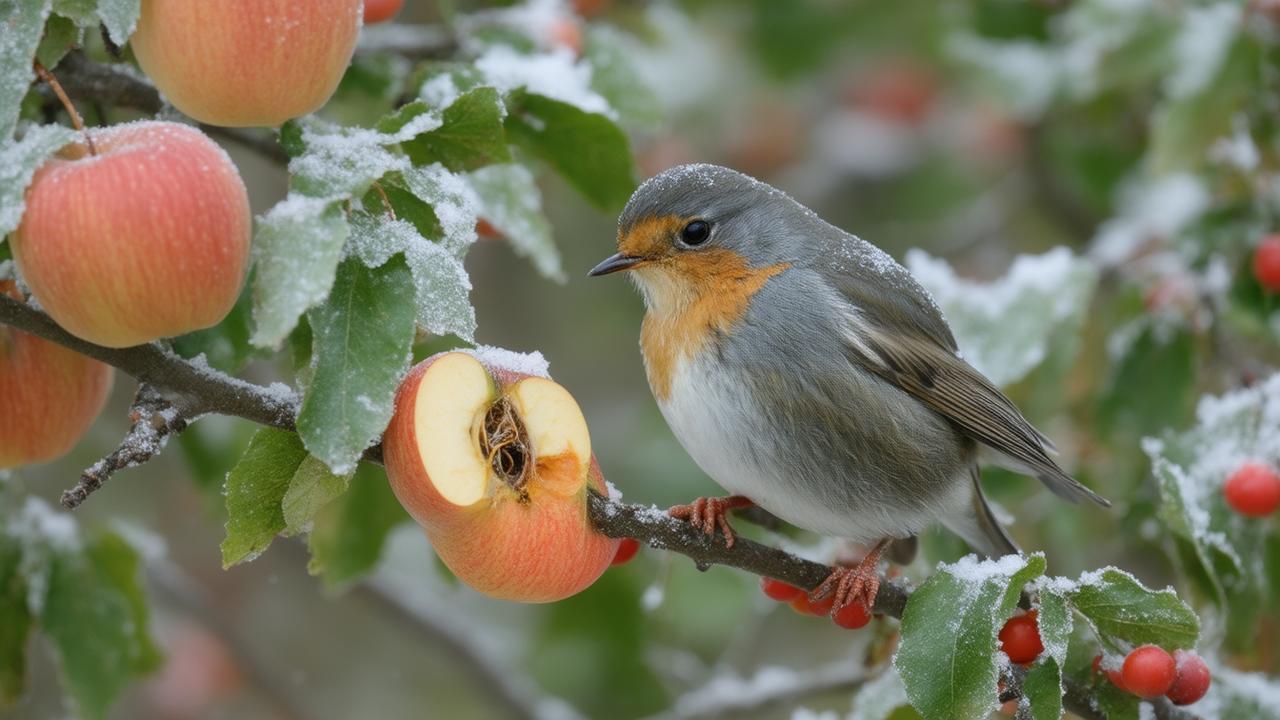
The first time I understood the power of a single winter fruit, it was late January and the world felt hollowed out. Frost clung to the garden like a forgotten spell. The flowerbeds were brittle with old stems, the lawn crusted in white, the air so sharp it seemed to ring when a distant car door slammed. And yet, in the middle of this colorless morning, my garden was moving—alive with the jittery, bright-eyed presence of a half-dozen robins. Their russet chests glowed against the cold, and they were not, as I’d assumed they would be by then, long gone in search of kinder climates. They were here for one reason: a single, flame-colored plant bent under the weight of winter fruit.
The Winter Secret Hiding in Plain Sight
If you ask a circle of birdwatchers what keeps robins coming back to a garden in winter, you’ll hear a familiar, almost conspiratorial answer: “Plant a rowan,” someone will say, and others will nod in knowing agreement. Rowan, also called mountain ash, is the quiet secret many backyard naturalists swear by. When everything else looks stripped and starved, this tree stands there like a lantern in the gloom, hung with bright clusters of berries that robins find almost impossible to resist.
In the soft, washed-out light of winter, those berries are startling—little drops of scarlet or orange that seem to glow when the low sun brushes past. Robins spot them from a distance. They arrow in, wings flickering, landing with that brief, poised stillness they have before hopping and tugging at the fruit. If you stand still enough, you can hear the faint, juicy snap of the berries being pulled, the delicate rustle of feathers, the tiny tick of feet on bark.
This is what many seasoned birdwatchers talk about when they say a single winter fruit can “keep robins loyal” to your garden. It isn’t magic, not really. It’s the deeply practical loyalty of a small bird that has learned one crucial lesson: the places that feed you when times are lean are the places you return to, year after year.
The Berry That Buys Their Loyalty
To a robin, winter is a negotiation with scarcity. The worms and beetles that made up so much of its summer diet are buried deep, locked away in frozen ground. The easy pickings of garden beds, compost heaps, and lawns vanish almost overnight after the first hard frost. And yet the robin remains, rounder and puffier now, feathers fluffed to trap warmth, constantly scanning for the next meal.
That is why a fruiting rowan stands out like a feast table. Its berries, clung in dense bunches, ripen from late summer and can linger well into winter, especially in colder regions. When everything else has been stripped by earlier migrants or autumn winds, a rowan that still holds fruit is a lifeline. Robins learn quickly. That cluster of berries, those reliably dangling beads of energy, become a mental marker.
Birdwatchers who track their backyard visitors across the seasons often notice a pattern. The same robin—or at least, the same small group—appears every winter, loitering in familiar corners, tracing routes they seem to know by heart. They drop into the garden from neighboring hedgerows and rooftops, make a beeline for the rowan, check the ground beneath for fallen fruit, and then linger. Loyalty in the bird world is rarely sentimental; it’s about memory and survival. A garden that feeds them earns a place on their invisible winter map.
The Scent and Sound of a Robin’s Winter Feast
Stand beneath a rowan on a still winter morning and the scene becomes strangely intimate. The air smells faintly metallic—cold soil, damp bark, the dry sweetness of old leaves. When a robin arrives, the silence breaks into a soft flurry of sound: a gentle wingbeat, the creak of a twig giving way under its weight. You might hear the bird’s thin, almost questioning call before it drops into full song: that bright, liquid phrase that somehow sounds both fragile and fearless against the quiet.
As the robin feeds, berries fall around your boots, leaving little smears of orange pulp on the snow or soil. You notice tiny beak marks in the half-eaten fruit, seeds scattered like punctuation at the end of a meal. This sensory tapestry—the color of the berries, the bird’s quick movements, the faint sweet-sour smell of crushed fruit on the cold air—is what makes winter birdwatching so hypnotic. It’s not just about ticking a species off a list; it’s about feeling, even briefly, like part of a small, breathing winter story.
Why Rowan Works When Everything Else Fails
Not every winter-fruiting plant earns the same devotion from robins. Holly, cotoneaster, pyracantha, crabapple—these all offer food and shelter, and robins will happily visit them. But birdwatchers often notice that rowan has a special pull, especially when other sources run low. There are a few reasons for that:
- High visibility: Rowan berries hang in open clusters that are easy for robins to spot and access.
- Staggered availability: Depending on the variety and local climate, berries can persist deep into winter, when alternatives are gone.
- Energy-rich reward: The berries provide a quick hit of sugars and calories, invaluable on short, cold days.
- Safe feeding spots: The light, airy structure of the tree allows robins to watch for predators while they eat.
All of this combines to make rowan not just a snack bar, but a winter hub: a place where robins can feed, rest, and keep an eye on the wider neighborhood. That sense of safety, layered over reliable food, is what cements their seasonal loyalty.
A Pocket Guide to Robin-Friendly Winter Plants
Rowan might be the star of this story, but it rarely works alone. The best winter gardens offer a mix of foods and hiding places—a kind of mosaic that keeps birds engaged and returning. Here’s a quick comparison of winter plants that robins and other songbirds tend to favor:
| Plant | What It Offers | Why Robins Like It |
|---|---|---|
| Rowan (Mountain Ash) | Hanging clusters of bright berries into winter | Highly visible, easy to pick, rich in quick energy |
| Holly | Red berries, dense evergreen cover | Shelter from weather and predators; backup winter food |
| Cotoneaster | Small red or orange berries on arching stems | Low, accessible feeding, good for ground-hopping robins |
| Crabapple | Persistent small fruits, often into late winter | Softening fruits in frost become easier to eat |
| Ivy | Berries and thick evergreen cover | Nesting and roosting spots, plus late-season food |
Think of rowan as your centerpiece, with these others as supporting cast. Together, they turn a bare patch of garden into a winter refuge, layered in different heights, textures, and flavors.
Designing a Garden Robins Will Remember
You don’t need a sprawling estate to tempt robins into returning each winter. Even a modest yard, or a shared green space, can become memorable in a robin’s mental map if you combine just a few thoughtful choices. Start with a single young rowan if space is limited. Choose a variety suited to your climate, and give it a spot with good light—berries color best in full or partial sun.
Under and around it, allow a little wildness. Robins are ground-feeding birds; they relish rummaging among fallen leaves for invertebrates and dropped fruit. Resist the urge to clear every last leaf or prune every branch into submission. A slightly untidy garden in winter can be a treasure trove of hidden food, and the birds know it.
As you watch over the years, you may notice small, repeating dramas. A particular robin may grow bold, following you at a safe distance as you dig or rake, curious eyes shining. Another might defend the rowan fiercely, puffing itself up and chasing off competitors. These returning characters become as familiar as neighbors. The garden you planned for them becomes, in a sense, a shared place.
Small Gestures That Make a Big Difference
Beyond planting, a few simple habits can turn your winter garden into a reliable stopover:
➡️ 6 old-school habits that people in their 60s and 70s refuse to drop and that make them happier than tech?obsessed youth
➡️ Bad news a 135 fine will apply to gardeners using rainwater without authorization starting February 18
➡️ A growing lifestyle trend among seniors: why more “cumulants” are choosing to work after retirement to make ends meet
➡️ Baking soda becomes the unexpected remedy for wrinkles and dark circles say beauty specialists
➡️ 3I/ATLAS: a strange radio signal was detected from the interstellar comet
➡️ Car experts share the winter tire-pressure rule most drivers forget
➡️ 10 dishes you should never order in restaurants, according to professional chefs
- Water: A shallow, unfrozen water source is rare in midwinter. A birdbath with a floating ball or gentle movement can help prevent ice buildup.
- Cover: Shrubs, hedges, and even stacked logs give robins quick hideaways from hawks and cats.
- Supplemental food: While they love fruit, robins will also take mealworms or soft fruit scraps placed discreetly on the ground or a low tray.
- Quiet corners: A part of the garden left relatively undisturbed lets birds feed and rest in peace.
When these gestures are anchored by the reliable presence of a fruiting rowan, your garden becomes more than a passing curiosity on a robin’s winter route. It becomes a place they remember, a place to which they return—not out of affection in the way we think of it, but out of a deeper instinct: here, I have survived before.
Listening for the First Song of the Year
There is a moment in late winter, when the days are still short but something in the light begins to shift, that the robins will remind you what you’ve given them—and what they’ve given you back. You step outside one morning, breath clouding in the cold, and hear it: a clear, improvisational ribbon of song floating from the rowan’s highest branch.
That song is not quite spring yet, but it’s facing in that direction. The berries may be nearly gone, their stalks bare against the sky, but the memory of plenty lingers in the bird’s presence. It has stayed. It has weathered frost and sleet in the quiet shelter of your garden, fueled by the fruit that hung there like tiny suns in the dark months. And now, from the same perch where it once gulped down berries in tight-lipped silence, it sings.
This is the invisible bargain between gardeners and wild visitors: you offer food, shelter, and a little patience; they offer life, movement, and the bright surprise of song on a colorless day. The humble rowan berry, glowing in the winter air, is the crimson seal on that pact—one small, shining promise that if you care for this place, something wild will remember, and return.
Frequently Asked Questions
Do robins really come back to the same garden every winter?
Many birdwatchers observe robins using the same gardens and feeding spots year after year, especially where food like rowan berries is reliable. While not every individual bird returns, robins do build strong mental maps of good winter feeding areas and often revisit them.
Is rowan safe for other wildlife and pets?
Rowan berries are widely eaten by birds and other wildlife. For most pets, accidental small ingestions are unlikely to cause serious problems, but large quantities can upset digestion. As with any garden plant, supervise curious pets and consult a vet if you’re concerned.
How long does it take a rowan tree to start producing berries?
Most rowan trees begin bearing noticeable clusters of berries within 3 to 5 years, depending on the variety, growing conditions, and size of the plant when you buy it. Fruit production generally increases as the tree matures.
Will a single rowan be enough to attract robins?
Yes, even one well-placed rowan can draw robins, especially if natural food is scarce nearby. However, combining it with other berry-bearing shrubs and some ground cover will encourage birds to stay longer and return more often.
Do I still need feeders if I plant rowan and other fruiting plants?
You don’t have to use feeders, but they can complement natural food sources, especially during severe weather when berries are exhausted or covered in ice. Think of plants like rowan as the foundation, with feeders as an emergency backup during the harshest spells.





