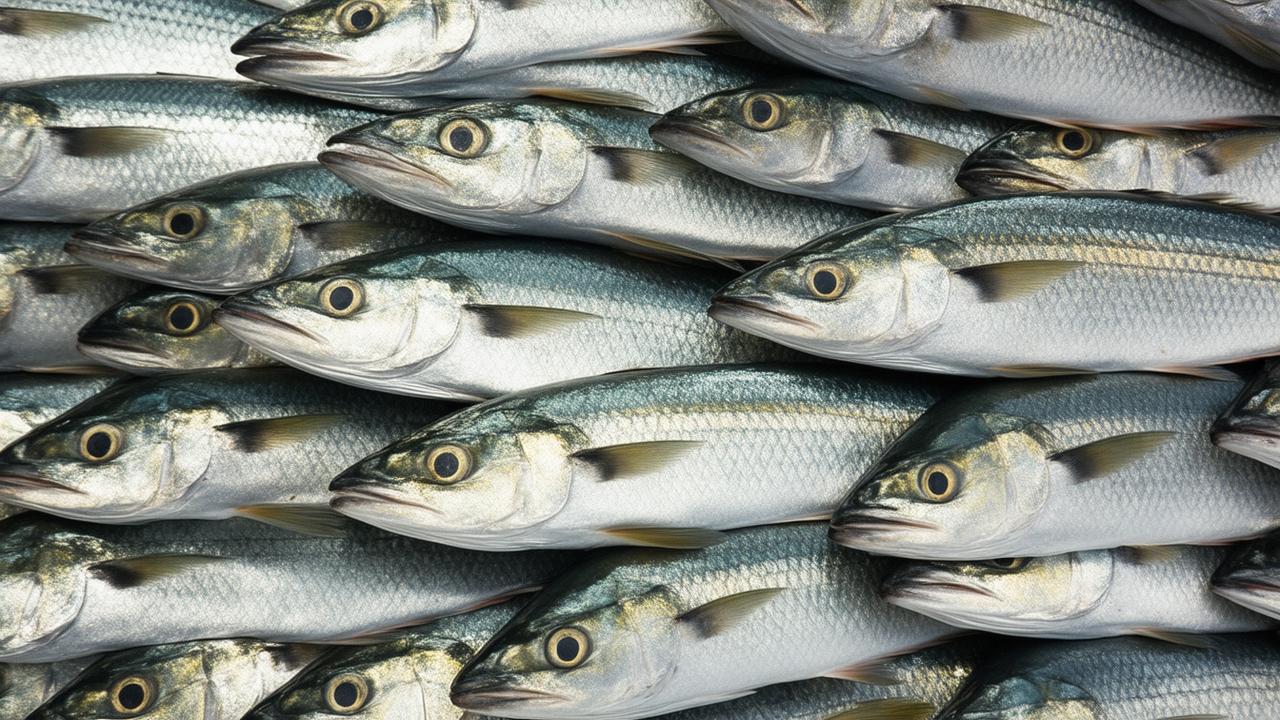
The first time I saw a bucket of jaraqui being unloaded from a wooden boat on the Rio Negro, I almost walked past it. The fish were small and silver, glinting dully under the Amazon sun as they slid into a blue plastic tub. Nobody crowded around, no one snapped photos, no chef in a crisp white apron waited on the riverbank. Just an old fisherman in faded shorts, his bare feet darkened by years of muddy landings, quietly sorting what many locals still called “comida de pobre” — poor people’s food.
The Fish That Refused to Disappear
For decades in Brazil, certain river and coastal species — jaraqui, sardinha, manjuba, corvina, piaba — lived in the culinary shadows. They were everywhere and, for that very reason, considered almost worthless. They were the fish of floodplains and backwaters, of plastic chairs and metal plates, of workers’ lunches and riverside breakfasts, shared with a squeeze of lime and a handful of farinha.
In a country dazzled by imported salmon and farmed tilapia fillets wrapped in neat plastic trays, these humble fish seemed like a relic of a poorer past. Supermarket freezers glowed with pale, uniform cuts from distant oceans, while the local “peixe de pobre” sat on crushed ice in outdoor markets, whole and unapologetic, their eyes clear, their bones very much still attached.
But a quiet shift has begun to ripple through Brazilian kitchens and restaurant menus. The old fish are back — only this time, they’re being greeted not with embarrassment, but with curiosity, pride, and a growing sense of urgency.
Driven by rising food prices, health concerns, and a newfound respect for traditional foodways, Brazilians are turning again to these once-ignored species. Behind the trend is a simple revelation that somehow got lost in the rush toward convenience: the “poor people’s fish” were never poor in what matters most. They are rich in story, in ecology, in flavor — and astonishingly rich in nutrition.
The Taste of a River, the Memory of a Coast
The first thing you notice when you eat one of these fish — grilled over charcoal, fried until crisp, cooked in a tomato broth — is how different it feels from a bland, anonymous fillet. There’s a texture, a personality, a directness. Bones that force you to slow down. Skin that carries smoke and salt and memory.
In Belém, along the mouth of the Amazon, commuters stop at street stalls at dawn for jaraqui fried whole, eaten standing up, fingers slick with oil and lime. In Bahia, sardinha na brasa perfumes alleyways — sardines spread over metal grates, crackling as the fat hits the coals. In small towns of the interior, river fish simmer in clay pots with cassava broth and garden herbs, recipes that never made it into glossy cookbooks but survived in grandmothers’ hands.
As Brazilians look again at these dishes, what once carried the weight of social stigma is slowly being rebranded as heritage. The same fish mocked as “food for those who can’t afford better” are now being recognized as emblematic of place and culture, deserving of the same respect as regional cheeses, cachaças, and fruits.
At the same time, chefs in São Paulo and Rio are quietly moving these species from the “hidden” staff meals to the printed menu. A charcoal-grilled sardine with roasted cassava mash. A jaraqui ceviche with mango and cilantro. A simple rice bowl crowned with crisp river fish, bones and all, unapologetically visible.
From Villain to Safe Bet: Rethinking Fish and Health
Ask an older Brazilian about fish, and you’ll often hear a worried sigh about contamination. Overfishing, mercury, sewage discharge, agricultural runoff — the fear is not unfounded. Narratives of “fish you can’t trust” have spread quickly, while stories of sustainable, safe options have stumbled to keep up.
Yet many of the so-called “poor people’s fish” turn out to be among the safest bets on the plate. Being small, fast-growing, and low on the food chain, they accumulate fewer heavy metals than large predatory species like some tuna or bigger river fish. They simply don’t live long enough, or eat high enough in the aquatic food web, to become toxic reservoirs.
Nutritionists who once urged “eat more fish” in a broad, imprecise way are now sharpening their advice: eat this kind of fish. Affordable, local, small- to medium-sized species — jaraqui in the Amazon, sardinha and manjuba on the coast, piaba in inland rivers — often hit the sweet spot of safety, accessibility, and nutrition.
At a small clinic in Manaus, a community nutritionist flips through a hand-drawn chart with patients. On one side: expensive, imported cuts with marketing power but often frozen for months and stripped of skin and bones. On the other: familiar river fish, presented in a new light — as strategic allies in the fight against anemia, obesity, and cardiovascular disease.
“It’s not that these fish suddenly got healthier,” she explains, laughing. “They were always like this. We just forgot how good they were.”
Protein for the Pocket, Nutrients for the Body
Beneath their modest price tags, these fish carry a nutritional profile that nutrition scientists might label as “quietly extraordinary.” Their value shows up most clearly when you place them side by side with other everyday proteins.
| Food (100 g cooked) | Protein | Omega‑3 (EPA/DHA) | Key Micronutrients | Approx. Cost* |
|---|---|---|---|---|
| Local small fish (e.g., sardinha, jaraqui) | 18–22 g | High | Calcium, iron, vitamin D, B12, iodine | Low |
| Beef (lean cut) | 25–27 g | Negligible | Iron, B12, zinc | High |
| Chicken breast | 23–25 g | Very low | B vitamins | Medium |
| Imported salmon (frozen) | 20–22 g | High | Vitamin D, B12 | Very high |
*Relative to each other in many Brazilian markets; exact values vary by region.
Eat the whole fish — or at least the skin and some of the softer bones — and the nutrient story gets even better. Those tiny bones, once considered an annoyance, turn out to be compact reservoirs of bioavailable calcium and phosphorus. The dark meat along the belly holds fat-soluble vitamins. The skin concentrates omega‑3 fatty acids.
In river communities where dairy intake is low and anemia is common, a plate of small fish eaten with farinha and beans is not just a meal; it is quiet nutritional policy. It helps bones grow, supports the brain, and nourishes a heart that may never see a cardiologist.
What makes these fish especially powerful is their combination of high nutritional density and low cost. Compared to red meat or imported salmon, they are often the only realistic way for low-income families to regularly access omega‑3s, vitamin D, and high-quality protein from animal sources.
Ecology on the Plate: Why the Humble Fish Matters
Beyond budgets and blood tests, there is another layer to this story, one that flows with the river currents and rides the coastal tides. Many of these species are ecological workhorses — abundant, fast-breeding, embedded in complex food webs that have evolved over millennia.
When Brazilians favor smaller, local fish, they unintentionally support a less damaging way of eating from the water. These species can often be caught with simpler gear, from small-scale boats, by families who live near the rivers and coasts. The money circulates locally. The carbon footprint shrinks. The knowledge of seasons, currents, and spawning cycles — that delicate oral library held in calloused hands and sunburned faces — remains relevant.
Contrast that with the cold anonymity of imported fillets: massive industrial fleets, distant feedlots, long-distance freezing and shipping, processing plants that turn living animals into uniform rectangles. The fish arrive in Brazilian homes already stripped of species identity and story, reduced to “white meat” or “pink meat”. Convenient, yes, but strangely hollow.
Reclaiming local “poor people’s fish” is also a way of acknowledging the people who have always known their value: the fishers who rise in the dark to listen to the water; the market sellers who can tell at a glance if a fish is fresh; the cooks who know how to coax tenderness from firm flesh, how to season a river.
If the country can see these fish differently — not as signs of poverty, but as anchors of resilience and cultural wealth — then maybe it can also see differently the communities that depend on them.
Learning to Eat Like Our Grandparents Again
The rediscovery of these species does not require gourmet techniques or expensive equipment. It often starts with something disarmingly simple: the decision to buy a whole fish instead of a fillet.
➡️ Eclipse of the century will plunge millions into six minutes of darkness scientists divided over health risks and religious groups prepare for chaos
➡️ Half a glass and a toilet bowl like new: smart ways to restore old sanitary ware
➡️ Many people don’t realize it, but sweet potatoes and regular potatoes aren’t closely related at all “here’s why”
➡️ 9 things you should still be doing at 70 if you want people to one day say, “I hope I’m like that when I’m older”
➡️ A rare giant bluefin tuna is measured and confirmed by marine biologists using peer-reviewed protocols
➡️ A state pension cut is now approved with a monthly reduction of 140 pounds starting in February
➡️ A simple pantry powder rubbed on car plastics restores a deep factory sheen that even surprises seasoned mechanics
That choice can feel intimidating. Whole fish stare back. They demand knife skills, time, and a willingness to get your hands messy. But they also offer rewards — in flavor, nutrition, and cost — that shrink-wrapped fillets rarely match.
A young couple in Recife describes their weekly ritual. On Saturday mornings, they wander through the market, avoiding the imported cuts and heading straight to a stall piled with glistening sardines and small coastal fish. The seller guts and cleans them while they chat about the week. At home, they marinate the fish in lime, garlic, and coarse salt, then lay them in a single layer under a broiler or over a small grill on the balcony. The bones soften in the high heat. They eat with their fingers, picking around the spine, learning by repetition which bones to chew and which to leave.
Elsewhere, in Manaus, a grandmother teaches her grandson how to fry jaraqui. “The oil must be hot enough to sing,” she tells him, listening for the snap and hiss that signals crisp skin. She shows him how to salt only at the end, how to test doneness by tapping the flesh gently with a fork. These are not recipes measured in grams, but in years of watching, tasting, and feeding people you love.
As Brazilians reintroduce these practices into urban kitchens, small adaptations emerge. Air fryers replace vats of oil. Oven-baked fish parcels wrapped in parchment mimic moqueca’s gentle steaming. Pressure cookers soften bones for soups and broths rich in minerals.
The tools are modern, but the gesture is old: trust the fish from your river, your sea, your market. Trust what your grandparents ate long before lighted supermarket aisles and glossy packaging told you what was “premium” and what was “cheap.”
From “Poor” to Essential
Standing again on that riverbank in the Amazon, watching the fisherman sort his morning catch, it is hard not to see the quiet irony. For years, the fish in his bucket represented everything Brazil was told to leave behind: poverty, informality, a lack of sophistication. Today, as the country faces rising living costs, health crises, and environmental pressures, those same fish look less like leftovers from another era and more like guides toward a more grounded future.
There is nothing poor about a food that can nourish a child’s growing brain, spare a family’s wallet, support a local fisher, and tread lightly on the rivers and seas. There is nothing shameful about eating what your landscape offers abundantly, what your ancestors used to eat without apology or inferiority.
In the end, the story of Brazil’s “poor people’s fish” is not really about fish at all. It is about who gets to decide the value of a food — and whether we listen to marketing campaigns or to rivers, coasts, and the long memory of the people who have lived beside them.
As more Brazilians rediscover these species for their safety, low cost, and impressive nutritional benefits, they are doing something radical in its simplicity: looking at a once-ignored fish and saying, with quiet conviction, “This is good enough for my family. In fact, it’s exactly what we need.”
FAQ
Are these “poor people’s fish” really safe to eat?
In many regions, yes — and often safer than larger predatory fish. Small, fast-growing species like sardinha, jaraqui, and similar local fish usually accumulate fewer heavy metals. The key is to buy from trusted markets, choose fish that look and smell fresh, and follow local health advisories about specific rivers or coastal areas.
What are the main nutritional benefits of these fish?
They provide high-quality protein, significant amounts of omega‑3 fatty acids, and important micronutrients like vitamin D, calcium (especially when bones are eaten), iron, iodine, and vitamin B12. This combination supports brain development, heart health, bone strength, and overall immunity.
How can I cook these fish if I’m not used to dealing with bones?
Start with simple methods: grill or bake whole fish until very crisp so small bones soften, or simmer them in stews where bones separate easily. You can also ask the market seller to butterfly or fillet the fish. Over time, you’ll learn which bones are tender enough to eat and which to discard.
Are they really cheaper than other types of fish and meat?
In most Brazilian markets, local small fish are significantly cheaper than beef, chicken breast, or imported salmon. Because they’re abundant and caught nearby, they often offer the best cost‑to‑nutrition ratio available, especially for families on tight budgets.
Does eating more of these fish help the environment?
It can, when combined with responsible fishing practices. Choosing local, abundant species caught by small‑scale fishers generally lowers transport emissions, supports traditional livelihoods, and reduces pressure on overexploited industrial species. Always favor fisheries and markets that respect seasons, sizes, and local regulations.





