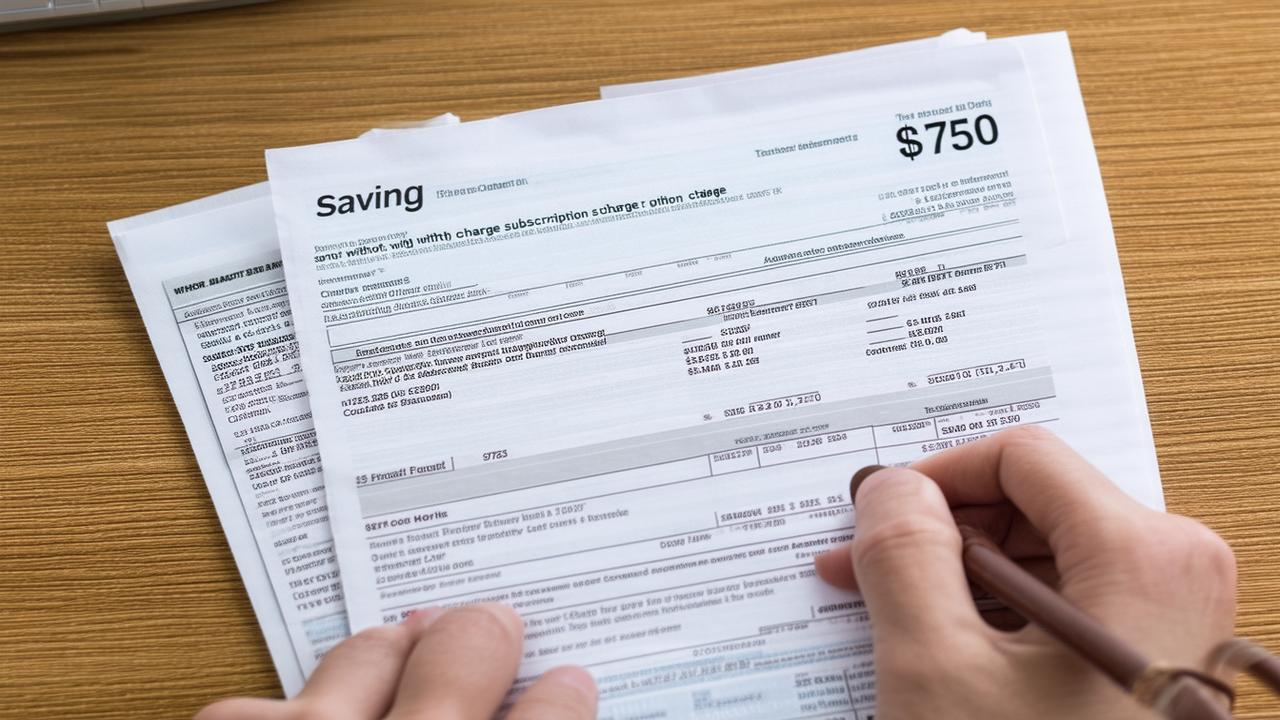
By the time the first snow came, I could hear my money leaving me in the smallest sounds—the soft hum of the fridge, the hiss of the shower, the invisible stream of warm air leaking out around the windows I’d never bothered to seal. I wasn’t broke, not exactly, but every bill that slid into my inbox felt like a quiet accusation. You knew this was coming. You didn’t plan. Again.
The moment that changed everything didn’t happen under a spotlight. It was a Tuesday, the kind where the sky is a flat sheet of gray and the grocery list in your notes app is longer than your patience. I was sitting at the kitchen table, staring at my bank account with a familiar mix of dread and resignation, when a single number caught my eye. My utility bill. I opened it. Then I opened the one from the month before. Then the one before that.
That was when I realized: I was paying a small fortune to keep my life just slightly too comfortable.
The Decision That Started as a Dare to Myself
It wasn’t dramatic. There were no declarations, no New Year’s resolution energy, no color-coded spreadsheet. It was more like a dare, whispered to myself over a lukewarm mug of coffee: What if I actually tried to live with less… and paid attention this time?
Not less as in deprivation. Less as in intention. Less waste. Less “set it and forget it” with things that quietly drain your account while offering you nothing you’d miss.
The decision was this: for three months, I would treat my home like a living experiment in small changes. No extreme minimalism. No selling all my belongings. Just one rule: before I turned anything on, bought anything, or let something run on autopilot, I’d ask myself:
“Is there a calmer, cheaper, more conscious way to do this?”
I didn’t expect that question to end up saving me $750. I certainly didn’t expect it to change my mood, my routines, and my relationship with the space I lived in. But like most big shifts, it started in small, oddly specific places.
The Day I Noticed My House Was Buzzing
Once you decide to pay attention, your home stops being background scenery and starts feeling like a character. Mine, it turned out, was noisy—underneath the quiet.
There was the router humming in the corner, the extra lamp in the hallway that stayed on “just in case,” the bathroom fan that sometimes ran for an hour because I’d left in a hurry. Chargers stayed in outlets with nothing attached, the TV sat in a low-power limbo all night, and the old, stubborn habit of leaving lights on in empty rooms made the whole place glow like I was hosting a party for ghosts.
None of this seemed huge. A fan here. A light there. A TV snoozing in standby mode. But I went down a rabbit hole of reading and learned that “phantom load”—devices and chargers that draw power even when they’re off—could be quietly chewing through a chunk of my monthly bill.
So I made the smallest, simplest decision: for three months, I’d treat electricity like it came out of my wallet in visible, physical form. I bought two cheap power strips, plugged my entertainment corner and computer setup into them, and made a game out of flipping them off when I went to bed. I unplugged every charger that wasn’t actively charging something. I swapped a handful of old bulbs for LEDs that cost less to run and actually made the rooms feel brighter.
The first month, I saved just under $30 on my electric bill. Not exactly life changing. But it felt like I’d found money between the couch cushions. I’d done so little, and it already shifted something. The house seemed quieter at night, too—no tiny standby lights winking at me in the dark, no soft TV glow I’d gotten weirdly used to.
When Comfort Started to Feel Different
The next layer was heat and hot water, the two luxuries I thought about the least and paid for the most.
I’d always cranked the thermostat almost unconsciously. Cold morning? Bump it up. Home for lunch? Bump it again. I never scheduled it. The heat worked around my whims, not my actual patterns. Showers were my indulgence—long, hot, and steaming up the mirror until everything blurred at the edges.
This time, I decided to renegotiate with comfort. Not eliminate it. Redefine it.
I lowered the thermostat by just two degrees and actually used the schedule setting that had been there, patiently waiting, for years. Warmer when I was awake and home. Cooler at night and during work hours when the apartment was empty. A friend told me, half teasing, “Just wear socks and a sweater. You’re not made of glass.” So I did. I leaned into blankets and slippers and something almost ritualistic about making tea when the air felt a little too sharp.
For showers, I bargained with myself: try trimming them down by three minutes. Just three. I set a playlist where one song became my “shower timer.” When the track ended, so did the shower. At first, it felt rushed. My thoughts like to stretch out under hot water. But slowly, my brain learned to wander elsewhere—on walks, while doing dishes, in the quiet minutes before bed.
That month, my heating and water bills dropped another $70 combined. I noticed it more in how my body felt: less sluggish from standing in hot steam forever, more appreciative of warmth when I consciously created it instead of taking it for granted.
Groceries, Leftovers, and the Fridge That Told on Me
The real shock, though, wasn’t in utilities. It was in the kitchen.
One Sunday, I decided to clean out the fridge—like, actually clean it out. Not the usual shuffle and denial. I pulled everything out and created small, quiet piles of guilt on the counter: wilted spinach, half a tub of ricotta I’d bought for a recipe I never made, leftovers that had migrated to the back until they became unrecognizable science experiments.
Throwing away food is a special kind of awful. You’re not just tossing money; you’re tossing time, labor, water, soil, energy—all the unseen effort it took to grow, transport, and store that food. It felt… disrespectful, in a way I hadn’t let myself feel before.
So I made one more decision: for three months, I’d treat leftovers like planned meals, not accidental byproducts. I would buy less, more often. I’d cook with what I had before I let myself go hunting for new recipes that required new ingredients. I scribbled a loose list each week and stuck to it, like giving future-me a friendly script to follow in the chaos of the supermarket.
I also started giving my food a story—this is breakfast for Tuesday and Wednesday, this is lunch for two days, this soup will stretch into tomorrow’s dinner. It sounds small, but it gave me a mental map instead of a vague hope that “I’ll eat this at some point.”
After the first month of this quiet revolution, I checked my bank statement. I had spent $120 less on groceries than usual. The second month, about the same. The third month, a little more than that—but I wasn’t throwing nearly as much away. My trash told the truth my receipts couldn’t hide.
Watching the Numbers Shift
Some changes are hard to feel until you see them laid out. At the end of the three months, I sat down with my bills and statements, laid them side by side with the ones from the previous season, and ran the numbers like I was decoding a secret message from my past self.
| Area of Change | Average Monthly Savings | 3-Month Total | What Actually Changed |
|---|---|---|---|
| Electricity | $28 | $84 | Unplugged devices, used power strips, swapped some bulbs to LED, turned off lights religiously. |
| Heating & Hot Water | $45 | $135 | Lowered thermostat a couple degrees, used a schedule, shortened showers. |
| Groceries & Food Waste | $125 | $375 | Planned simple meals, respected leftovers, bought less but more intentionally. |
| “Mindless” Spending (snacks, takeout, random buys) | $52 | $156 | Paused before tapping “order now,” made more coffee and meals at home, asked “do I actually need this?” |
| Total | $250 / month | $750 in 3 months | No big sacrifices—just small habits, repeated. |
There it was: $750 that would have quietly leaked out of my life without so much as a thank you. Money I never would have believed was available to me because I’d already decided I was “doing okay” and that this was just what things cost.
The Emotional Weight of Quiet Decisions
The most surprising part wasn’t the financial relief—though watching my savings account grow was its own quiet thrill. It was the way these choices shifted the texture of my days.
➡️ “I feel like I’m always bracing for something”: psychology explains anticipation mode
➡️ By dumping sand into the ocean for more than a decade, China has managed to create entirely new islands from scratch
➡️ “No one explained how to do it”: their firewood stored for months was actually unusable
➡️ “This slow cooker meal is what I start in the morning when I know the day will be long”
➡️ A quick and natural way to make any room smell fresh, without using sprays or scented candles
➡️ A Nobel Prize winning physicist says Elon Musk and Bill Gates are right about the future, with far more free time but fewer traditional jobs
➡️ 8 phrases deeply selfish people often say without realising it
The house felt calmer, because every light that was on was meant to be on. Each plugged-in device was actually serving a purpose. The kitchen became less of a graveyard for good intentions and more of a workshop where everything had a plan. I wasn’t chasing big, dramatic changes. I was gently steering a ship that had been drifting for years.
There was also a subtle, grounding pride in it. Each time I flipped off a power strip, finished leftovers before cooking something new, or walked past something I would’ve bought on impulse, I was saying, I’m paying attention now. I was, in some small way, returning to myself the energy I’d once scattered across a thousand tiny conveniences.
This wasn’t about punishment or scarcity. It was about alignment—about letting how I spent my money reflect what I actually cared about: quiet mornings, a warm home, time with people I loved, a little extra security tucked away for later.
How to Start Your Own Three-Month Experiment
If any of this sounds appealing but also a little overwhelming, let it be simple. Don’t overhaul your whole life. Don’t wait for January or a “better time.” You can start with one decision—one small dare to yourself—and build from there.
Here’s a gentle way in:
- Pick one area: electricity, heat, groceries, or mindless spending.
- Give it three months, not forever. Experiments feel safer than permanent rules.
- Track just enough to notice. Compare this month’s bill to last month’s. Glance at your grocery total over time. No elaborate systems required.
- Ask the question that changed everything for me: “Is there a calmer, cheaper, more conscious way to do this?”
You don’t have to aim for $750. Maybe you’ll save $50. Maybe $200. Maybe what you save will be less important than what you learn about how you live.
What That $750 Really Bought Me
At the end of the three months, I moved that $750 into a separate savings bucket and named it something quietly dramatic: “Proof.” Not emergency fund, not vacation, not bills. Just Proof.
Proof that I wasn’t as stuck as I thought. Proof that the stories I told myself—this is just what rent and utilities and groceries cost, there’s nothing I can do—weren’t the whole truth. Proof that small, almost invisible decisions, repeated over time, could change the shape of my days and the weight on my chest when I opened my banking app.
I used some of that money later to soften a month when work felt uncertain. The rest is still there, doing what quiet money does: not screaming for attention, not demanding to be spent, just sitting as a reminder that my habits are more powerful than I usually admit.
When I look around my home now, I still see the same walls, the same couch, the same slightly scuffed dining table. But the space feels different. Less like a place where money disappears, more like a place where intention lives. The hum of the fridge is still there, the shower still steams up the mirror, the lights still glow warm in the evening—but they all feel a little more like a choice, and a little less like a drain.
I didn’t expect one decision, on a gray Tuesday afternoon, to save me $750 in just three months. But that’s the quiet magic of paying attention: sometimes, the smallest decision is just the first doorway you walk through.
Frequently Asked Questions
Do I have to track every dollar to see results like this?
No. I didn’t track every single dollar, just the big patterns. I compared monthly bills and looked at rough grocery totals. Start with broad strokes; you can always get more detailed later if you enjoy it.
What if my bills are already pretty low?
Then your savings might be smaller, but the experiment can still reveal waste or habits that don’t match your values. Even $20–$30 a month adds up over time, and the mindset shift can matter more than the total.
Won’t lowering the heat or shortening showers make life miserable?
It doesn’t have to. I only adjusted in small, manageable ways—two degrees on the thermostat, a few minutes off shower time. Focus on changes that feel slightly challenging but still sustainable, and give yourself time to adapt.
How do I keep from feeling deprived when I spend less?
Reframe it as choosing, not denying. Connect each decision to something you care about—less takeout might mean more money for travel, debt payoff, or a future buffer. Also, keep a small budget for genuine treats so you don’t feel locked down.
Can I do this if my schedule is chaotic?
Yes. In fact, simple systems help the most when life is chaotic. Automate what you can—like a thermostat schedule or a recurring grocery list—and focus on one or two habits at a time instead of trying to control everything.





