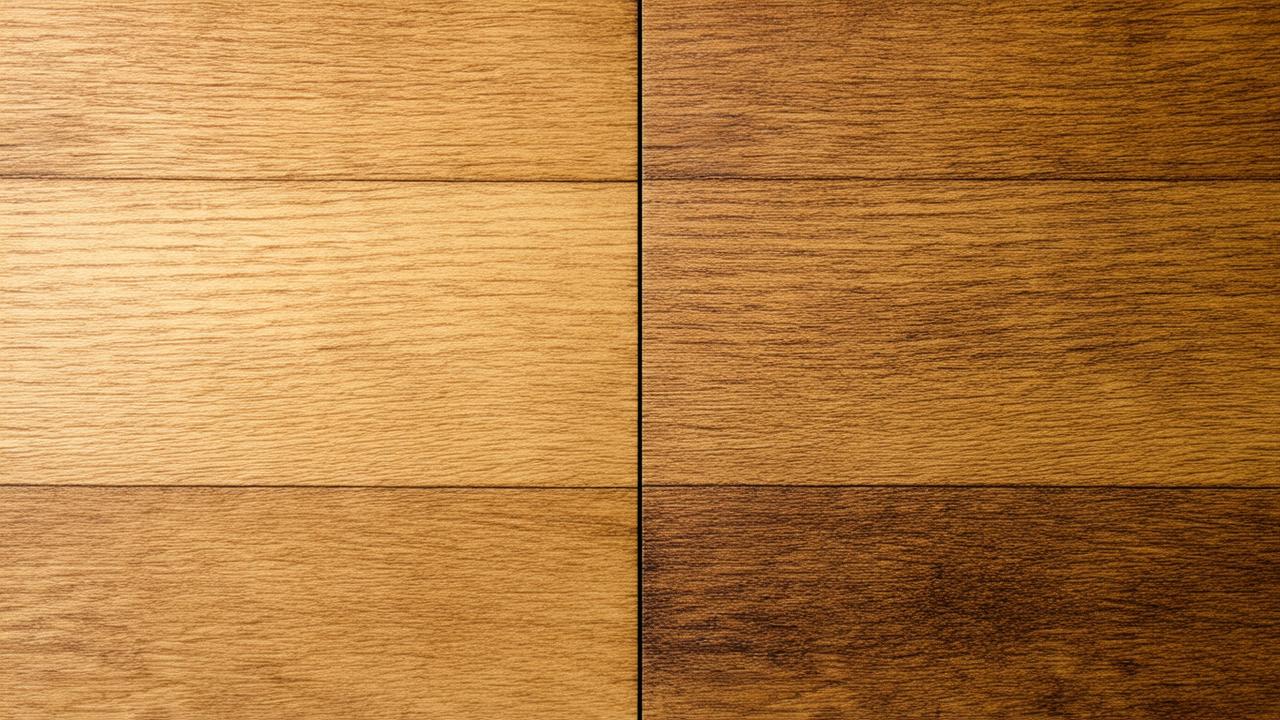
The first time I watched sunlight roll across an old hardwood floor, I understood why people fall in love with wood. It wasn’t just the color—the warm honey, the deep espresso, the swirls like frozen rivers in the grain. It was the way the boards seemed to breathe with the house, telling stories in scuffs and scratches, whispering of kids and dogs and late-night pacing. But if you’ve ever owned hardwood, you also know this: one day, that glow quietly disappears. The shine fades, the boards look tired, and no amount of mopping seems to bring that magic back. That’s usually the moment someone says, “Have you tried vinegar?” or “Just slap on some wax.”
The Quiet Problem Lurking in Your Mop Bucket
You can almost picture it: a spray bottle of vinegar standing at attention under the sink. It feels like the hero of every natural cleaning story. For countertops? Amazing. Glass? Sure. But for hardwood? That’s where the tale takes a different turn.
Vinegar is acidic. Hardwood floors today are almost always coated in some kind of finish—polyurethane, aluminum oxide, or another resin-based layer that protects the wood underneath. That finish, not the bare wood, is what you’re really cleaning. Over time, repeated vinegar use can slowly etch, dull, or cloud that protective coat. The result isn’t dramatic at first—it’s more like a soft fading over the years. One day you notice: the floor doesn’t shine; it sulks.
Wax tells a similar story, but messier. Once upon a time, paste wax was the go-to. People buffed and buffed until their arms ached and their floors gleamed. But modern floors, especially those with factory-applied finishes, don’t really want wax layered on top. The wax builds up, traps dirt, streaks, and eventually leaves the floor looking murky. If you ever do need to refinish, that wax has to be stripped—a sticky, smelly process that feels like punishment for a decision you made years ago.
So here you stand: wary of vinegar, suspicious of wax, still staring at a dull floor that used to glow. The good news is, the solution is not only simple—it’s already in your home. And it doesn’t involve harsh chemicals or complicated routines.
The Simple Trick Hiding in Plain Sight
The secret isn’t a new product; it’s a different way of thinking about water, wood, and oil. Picture this: instead of scrubbing your floors with harsh cleaners, you treat them a bit more like you’d treat your own skin. Not flooded, not stripped, not smothered—just cleaned gently, then nourished.
Here’s the heart of the trick: a barely-damp clean, followed by a whisper-thin application of a light, food-safe oil blend that’s safe for finished wood—and then buffed until the floor catches the light like it remembers how.
The “magic” isn’t in some exotic ingredient. It’s in three simple moves:
- Stop over-wetting the floor.
- Use a neutral, non-damaging cleaner.
- Finish with a tiny amount of the right kind of oil and lots of buffing.
The method is quiet, almost meditative. No fumes, no sticky residue, no brittle dryness. It’s the kind of simple home ritual that feels old-fashioned in the best way—like hanging fresh laundry in the sun or kneading bread by hand.
Step 1: Clear the Stage and Listen to the Wood
Before anything else, you remove the distraction: dust, grit, the soft crunch under your bare feet. That tiny sandpaper feeling? That’s what slowly dulls finishes.
Start with a soft-bristle broom or, better yet, a vacuum with a hardwood floor setting. You’ll hear the difference as you go—the gentle swish of bristles, the subtle clack of gravel hitting the canister. Underneath, the boards already look more themselves.
Take your time. Move chairs, slide aside rugs, and catch the little nests of dust that collect under radiators and along baseboards. In that quiet, you’re not just cleaning—you’re reacquainting yourself with the grain, the knots, the seams between planks. You notice where the finish is thinning, where sunlight has bleached the color, where the house’s daily traffic has left a pale path.
Step 2: The Barely-Damp Clean
Water, in a hardwood’s world, is both friend and threat. The trick is to let it visit without staying. Think “kiss,” not “bath.”
Fill a bucket with warm water and add a small amount of a gentle, pH-neutral cleaner specifically labeled as safe for hardwood floors. If you don’t have that, very mild unscented dish soap—just a few drops—is acceptable in a pinch. No vinegar, no ammonia, no steam. The goal is to lift dirt, not challenge the finish to a duel.
Dip a microfiber mop head into the solution, then wring it out as if you’re trying to get every last drop of summer lake water out of a swimsuit. When you press the mop to the floor, it should feel cool, not wet. No puddles, no shine of standing water—just a light, thin sheen that dries within a minute or two.
Work with the grain when you can. If your boards run north to south, glide your mop in that same direction. It’s not just about aesthetics; moving with the grain helps the cloth catch the fine dust and grime that nestles along the wood’s texture.
As you go, you’re stripping away weeks or months of invisible life: sock lint, pet fur, pollen, the sugar crystals from spilled tea that you wiped with a hurried paper towel. You’re returning the floor to a cleaner version of itself, without scraping away its protective armor.
| Method | What It Does | Effect on Shine |
|---|---|---|
| Vinegar & Water | Cleans by acidity, can slowly weaken finish over time. | Initial brightness, long-term dullness and haze. |
| Wax Products | Leaves a soft coating on top of finish, traps dirt. | Short-term gleam, long-term buildup and streaks. |
| Neutral Cleaner + Oil Buff | Gently cleans, then nourishes and smooths surface. | Deep, natural-looking glow that can be renewed easily. |
Step 3: The Home Trick That Wakes Up the Shine
Here’s where the floor starts to look alive again.
Instead of wax or vinegar, reach for a light, food-safe oil that plays well with finished wood—like a small amount of pure mineral oil or a blend specifically designed for wood conditioning (not cutting boards only, but safe for sealed surfaces too). Avoid heavy cooking oils like olive or canola; they can go rancid and sticky over time. The goal is not to soak the wood—it’s to gently refresh the look of the finish that’s already there.
On a clean, soft microfiber cloth, place just a few drops of oil. A little goes a long way; if the cloth looks visibly wet or leaves smears, you’ve used too much. Think of this step as applying lip balm, not frosting.
Working in small sections, lightly wipe the cloth along the floor with the grain. You’re not polishing yet—just spreading a whisper-thin veil. Immediately follow with a dry, clean microfiber cloth and buff the same area until it no longer feels oily, just smooth. This second cloth is your magic. It’s the one that coaxes the shine out, like someone gently waking a sleeping child.
What’s actually happening? This ultra-thin layer helps the surface reflect light more evenly, softening the appearance of micro-scratches and dryness in the finish. You’re not sealing the wood; you’re visually smoothing the top coat, the way a tiny amount of oil can make dry skin glow without turning it greasy.
Step 4: Turn Cleaning Into a Gentle Ritual
Maybe the best part of this trick isn’t the shine at all. It’s the way it slows you down—just enough to pay attention to the place beneath your feet.
➡️ This small adjustment helps reduce the feeling of bodily overload
➡️ What it means psychologically when you avoid talking about yourself, even when asked
➡️ I noticed my stress dropped once my cleaning goals became realistic
➡️ This is how to show interest without forcing enthusiasm
➡️ The one breathing mistake most people make daily without realizing it affects their stress levels
➡️ Why doing one task at a time is healthier than multitasking
➡️ I realized my cleaning system was built for a life I don’t live
Once you’ve done the full clean-and-buff once, you don’t need to repeat the oil step every week. Most of the time, you’ll just sweep or vacuum and then do that barely-damp mop with a neutral cleaner. Save the oil buff for when the floor starts to look thirsty again—perhaps every few weeks or once a month in busy areas.
As you work, there’s a kind of quiet joy in seeing each board reclaim its depth. Along the hallway, a rich caramel tone reappears where it once looked chalky. Near the window, golden streaks return where sunlight had flattened them to a dull straw. The house seems to stand up straighter, as if someone finally opened the curtains wide.
Children slide across the boards in socks and say, “It’s so smooth!” A visiting friend glances down and asks, “Did you get these refinished?” You smile, knowing that no, you didn’t call in sanding machines or stain specialists. You just changed the story of what you believed your floor needed.
Why This Works Better Than the Quick Fixes
There’s a quiet kind of wisdom in doing less, but doing it well. Vinegar seems powerful because it cuts through grime quickly—but it doesn’t stop cutting. Wax seems glamorous because it gleams instantly—but it doesn’t know when to step aside; it layers itself until your floor feels like it’s breathing through a blanket.
The simple home trick of neutral cleaning plus light oil buffing respects three truths about hardwood:
- The finish is your shield, so don’t attack it.
- Wood wants moderation—no soaking, no suffocation.
- Shine is often about how light scatters, not how many products you apply.
Instead of battling your floor into submission, you’re collaborating with it. You lift the dirt, then gently even out the surface so light has something to dance on. No residue, no haze, just an honest, refreshed glow.
Living With Floors That Glow Again
There’s something subtle that happens once your hardwood floors start shining like themselves again. You find yourself walking barefoot more often, catching the cool-smooth feel under your toes. You notice the way late-afternoon light slides across the room and pools in warm reflections. You might move a chair just a little, so the grain catches the window’s glow.
These are small, ordinary moments, but they tether you to your home in a way that’s hard to name. A well-cared-for floor doesn’t look perfect; it looks loved. It holds the small dents of dropped toys and the faint arcs of pet claws, but beneath those, it carries a quiet radiance that says: I am still beautiful. I am still strong. I am still here.
And the best part? You didn’t need vinegar’s bite or wax’s mask to get there. Just a broom, a gentle cleaner, a little oil, and your own two hands—moving slowly, listening to the wood, and letting the floor remember how to shine.
Frequently Asked Questions
Can I use this trick on all types of hardwood floors?
This approach is generally safe for sealed or finished hardwood floors (those with polyurethane or similar coatings). If you have old, bare, or oil-rubbed floors without a modern finish, test in a small, hidden area first and follow any instructions given by the floor manufacturer or installer.
How often should I do the oil buff step?
Most homes only need it every few weeks to once a month in high-traffic areas. In low-traffic rooms, a few times a year may be enough. If the floor starts to look dull or dry despite regular gentle cleaning, that’s your sign to repeat the buff.
Will this remove deep scratches or damage?
No. Deep gouges, worn-through finish, or water damage require professional repair or refinishing. This method softens the look of fine surface scratches and dullness, but it can’t rebuild missing finish or fix structural issues.
Is mineral oil safe for pets and kids?
Pure, food-grade mineral oil used sparingly and buffed thoroughly is considered safe for households with children and pets. The key is to avoid over-application and to buff until the floor is not slippery or oily to the touch.
What should I absolutely avoid on hardwood floors?
Avoid steam mops, soaking wet mops, harsh or abrasive cleaners, vinegar or ammonia on the regular, and wax or polish products not specifically recommended for your type of floor finish. These can dull, cloud, or damage the protective coating and shorten the life of your hardwood.





