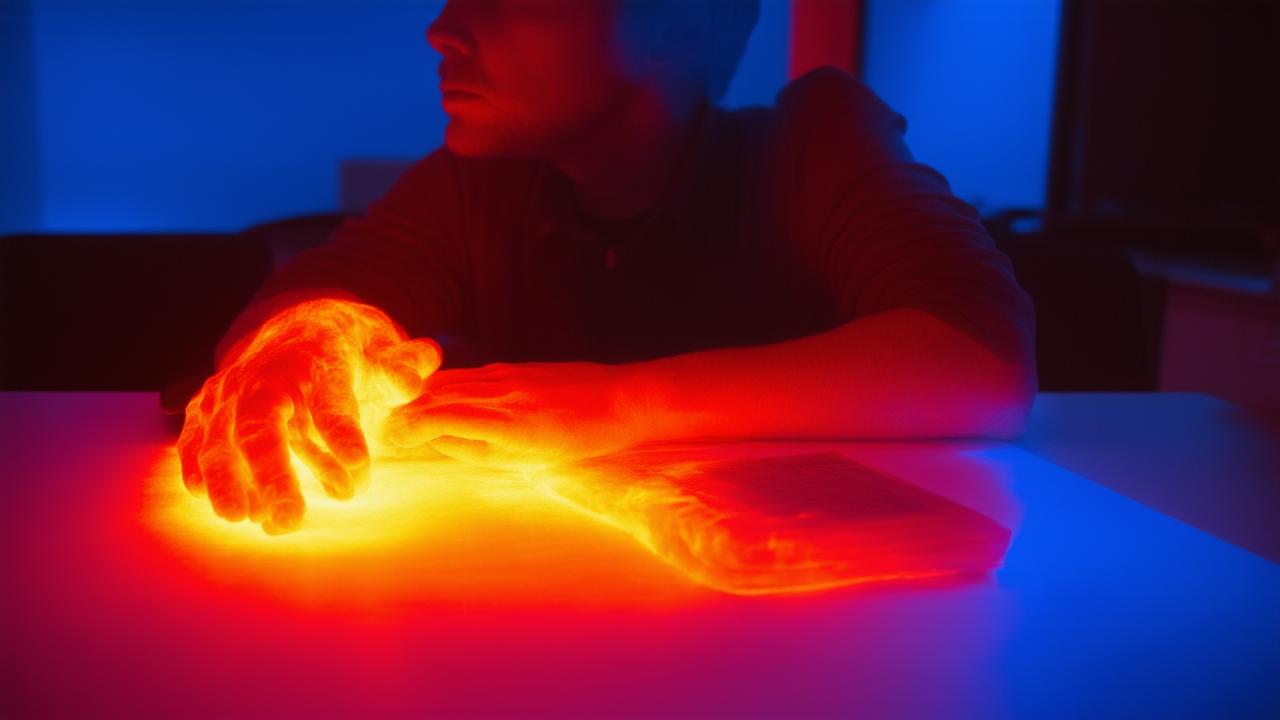
The first time you really notice it, you might be standing at the kitchen sink, rinsing a mug in warm water. Outside, the day is bright and ordinary. Inside, the heater hums softly. Yet, as your fingers dip into the stream, a small shock runs through you: your hands feel like they belong to someone who has just come in from a snowstorm. Later, maybe on a work call, you tuck your feet under you on the chair, searching for warmth, and they feel like two small blocks of ice at the end of your legs. You flex your toes, rub your palms together, but the cold clings stubbornly on—quiet, puzzling, and just annoying enough to make you wonder: why does this keep happening?
The Quiet Story Your Blood Is Telling
Cold hands and feet can feel like a mystery, but your body is rarely doing anything at random. Under your skin, there’s a quiet story unfolding, written in pulses of blood, tiny muscular contractions, and unseen decisions your nervous system makes hundreds of times a day.
Blood is your body’s internal river. It carries heat, oxygen, and nutrients wherever they’re needed. When you’re warm and relaxed, that river flows generously to your fingers and toes. But when your body decides heat must be conserved—because of actual cold, stress, or changes in circulation—it begins a subtle retreat from the edges.
Imagine your body as a small village in winter. When the temperature drops or the power supply becomes uncertain, the villagers shut off lights in the outer streets first. The central square, the baker, the town hall—those stay lit as long as possible. Your heart, lungs, and brain are that town square. Your hands and feet? They’re the quiet outer streets that get dimmed first.
And that, for many people, is the most common underlying reason their hands and feet feel cold during the day: reduced blood flow to the extremities. Not always a disease, not always an emergency—often just your body shuffling resources, sometimes a bit more aggressively than it needs to.
Circulation: The Everyday Villain (and Sometimes, the Hero)
Your blood vessels are not just inert pipes. They are living, reactive tunnels that can squeeze, relax, widen, or narrow in response to temperature, hormones, and emotional states. When those vessels in your hands and feet narrow—a process called vasoconstriction—less warm blood makes it out to your fingers and toes. Result: they feel cold, even when the room doesn’t.
This constriction can be caused by several very ordinary things:
- Sitting still for long stretches at a desk, with legs crossed or tucked under
- Working in an air-conditioned environment or on cold surfaces
- Feeling anxious, rushed, or stressed
- Smoking or vaping nicotine, which tightens blood vessels
- Drinking a lot of caffeine, which can do the same in some people
Stress is an especially quiet culprit. When your brain senses a threat—an upcoming deadline, an argument you’re replaying in your head, a full inbox—it may trigger a mild fight-or-flight response. One of the first things your body does in that mode is redirect blood toward big muscles and vital organs, and away from hands and feet. Your body is preparing you to run or fight, even if all you’re doing is staring at a spreadsheet.
In this sense, your cold fingers can be like a secret stress barometer, a physical whisper that your inner world is running hotter than you think, even as your skin runs cold.
The Subtle Role of Your Environment
Though the science of circulation sounds dramatic, sometimes the trigger is humble: a chilly floor, a draft under your desk, a metal laptop stand that slowly leeches warmth from your wrists. We adapt to these conditions so quickly that they vanish into the background, and all that remains is the sensation of cold, hovering around your hands and feet like a low fog.
Indoor life complicates things. Many of us move from warm beds to hot showers to cool cars to over-air-conditioned offices. Our bodies don’t get a smooth, natural curve of temperature to adjust to—they get abrupt peaks and dips. Blood vessels are constantly trying to catch up, tightening here, opening there, sometimes overshooting in either direction.
When “Normal” Cold Becomes a Daily Pattern
It’s one thing to get cold hands while scraping ice off your windshield, and something else to have icy fingers every afternoon while you type. That everyday pattern is what makes people pause and wonder: is something else going on inside me?
Often, the answer still lies in circulation, but the reasons can be more layered—habit, posture, hormones, diet, even personality. To see how all of this plays together, it helps to compare a few common contributors you might feel in your day-to-day life:
| Possible Factor | What It Does to Your Body | How It Shows Up in Hands & Feet |
|---|---|---|
| Long sitting or poor posture | Reduces blood flow by compressing vessels in legs and hips. | Cold, sometimes tingly toes or feet, especially late in the day. |
| Chronic stress or anxiety | Keeps your nervous system in mild “alert” mode. | Cold, pale fingers; difficulty warming up even in a heated room. |
| Low movement during the day | Reduces the muscle “pump” that helps blood return to the heart. | Persistent coolness in hands and feet, heaviness in legs. |
| Smoking or nicotine use | Narrows blood vessels and injures their lining over time. | Very cold extremities, slow warming even with gloves or socks. |
| Mild dehydration | Slightly thickens blood and reduces overall volume. | Cool skin, sometimes with mild dizziness or fatigue. |
None of these on their own necessarily mean something is “wrong.” They’re more like clues in a daily puzzle. If your life is built around long hours at a computer, irregular meals, and a steady undercurrent of pressure, that puzzle starts to form a very familiar picture.
Hormones and the Inner Thermostat
For many women, cold hands and feet are an almost predictable companion during certain times in the menstrual cycle, or during perimenopause and menopause. Hormones influence how sensitive blood vessels are to temperature and stress signals. A small hormonal shift can tilt your internal thermostat just enough that your body decides, a bit too often, “We should save heat at the center,” and there go your fingers again—pale and chilly.
Thyroid hormones also play a big role in baseline temperature. When the thyroid is underactive (a condition called hypothyroidism), the entire body can slow: metabolism drops, heart rate falls, and heat production dwindles. One of the earliest, most mundane signs for some people is simply: “I’m always cold. Especially my hands and feet.”
From Harmless Quirk to Health Clue
Most of the time, cold hands and feet are a benign side effect of your body protecting its core, plus some modern lifestyle habits layered on top. But sometimes, they’re also a quiet clue that deserves attention.
Certain conditions can make your extremities feel cold more intensely or more persistently:
- Raynaud’s phenomenon – Where blood vessels in fingers and toes react strongly to cold or stress, turning them white or blue, then red and painful as blood flow returns.
- Anemia – When you don’t have enough healthy red blood cells to carry oxygen, your extremities can feel cold and your body may feel tired or weak.
- Peripheral artery disease – Narrowed arteries, often in the legs, reduce blood flow; this can cause cold feet, leg pain with walking, and slow-healing wounds.
- Diabetes-related nerve changes – Nerve damage can make feet feel cold, painful, or numb, even when they’re warm to the touch.
The tricky part is that many of these conditions start quietly, blending into the background of your everyday story. That’s why it matters to notice patterns: has “my hands are always cold” crept from an occasional thought into a constant one?
Signals You Shouldn’t Ignore
Your body is talkative, in its own way. Cold hands or feet become more important to pay attention to when they’re accompanied by other noticeable shifts, such as:
- Fingers or toes changing color (white, blue, or deep red) with cold or stress
- Persistent numbness, tingling, or burning sensations
- Open sores on toes or feet that heal very slowly
- Shortness of breath, chest pain, or extreme fatigue
- Significant hair loss on legs or very shiny, thin skin on feet
- Unexplained weight changes, especially with feeling cold all over
These don’t mean something serious is guaranteed, but they are your body raising its hand, asking to be heard. Talking with a healthcare professional and sharing those details can turn a vague “I’m just cold” into a clear, practical plan.
Warming from the Inside Out
We often respond to cold hands and feet from the outside: thicker socks, a hotter shower, another cup of coffee cupped between our palms. Those can help, but the deeper shift comes from changing the internal conversation—circulation, stress, movement, and everyday choices.
➡️ The streak-free window-cleaning method that still works flawlessly even in freezing temperatures
➡️ The quick and effective method to restore your TV screen to like-new condition
➡️ Thousands of passengers stranded in USA as Delta, American, JetBlue, Spirit and others cancel 470 and delay 4,946 flights, disrupting Atlanta, Chicago, New York, Los Angeles, Dallas, Miami, Orlando, Boston, Detroit, Fort Lauderdale and more
➡️ The sleep pattern that predicts alzheimer’s risk 15 years before symptoms
➡️ These zodiac signs are destined for major prosperity in 2026, according to astrological forecasts
➡️ The RSPCA urges anyone with robins in their garden to put out this simple kitchen staple to help birds cope right now
➡️ The RSPCA urges anyone with robins in their garden to put out this simple kitchen staple today
Small, simple changes can support your body’s natural warmth:
- Move in micro-moments: Stand up once an hour, roll your ankles, stretch your calves, swing your arms. Think of it as stirring your internal river.
- Uncross your legs: Keep feet flat on the floor when you can, giving blood vessels in your thighs and hips room to work.
- Stay gently hydrated: Sip water throughout the day so your blood has enough volume to flow freely.
- Practice short stress resets: Even one minute of slow, deep breathing can dial down fight-or-flight and let blood return to your fingers.
- Layer lightly, not just heavily: Thin layers trap warm air better than one huge bulky piece; wrist warmers and cozy socks can make a surprising difference.
Warmth isn’t only a physical sensation; it’s also a relationship with your own pace of living. When you soften the edges of your day—fewer frantic sprints between tasks, more small pauses to breathe and move—you often soften the grip your blood vessels keep on your hands and feet as well.
Listening to Your Extremities as Messengers
Your hands and feet are often the first to meet the world: the keyboard, the doorknob, the cold tile floor in the bathroom at dawn. They also tend to speak up early when the rest of you is pushing too hard or running too fast. Cold fingers can say, “You’ve been still too long.” Cold toes can say, “You’ve been tense all day.”
Instead of treating them as a nuisance, it can be oddly grounding to treat them as messengers. When you notice that familiar chill, you might ask yourself: When did I last move? How am I breathing? When did I last drink water? How long have I been clenching my jaw over that email thread?
In those small check-ins, something shifts. Warming your hands and feet becomes less about battling your body and more about befriending it—tuning in to its early whispers before they become full-on shouts.
FAQ
Why are my hands and feet cold even when the rest of my body feels warm?
Your body prioritizes keeping your core organs warm. If blood vessels in your hands and feet narrow—even slightly—less warm blood reaches them, so they feel cold while your chest and face may feel normal.
Is it normal to have cold hands and feet every day?
It can be common, especially if you sit a lot, feel stressed, or are in cooler environments. But if it’s a new change, very persistent, or comes with pain, color changes, or numbness, it’s worth discussing with a healthcare professional.
Can anxiety really make my hands and feet cold?
Yes. Anxiety triggers your fight-or-flight response, which directs blood toward vital organs and large muscles, and away from fingers and toes. That shift can make your extremities feel cold or tingly.
What vitamins or nutrients are linked to cold hands and feet?
Iron, vitamin B12, and folate help your blood carry oxygen. Deficiencies can contribute to anemia, which may cause cold extremities. However, supplements should only be taken after medical advice and, ideally, blood tests.
When should I worry about cold hands and feet?
Seek medical advice if you notice color changes (white, blue, or red), persistent pain, numbness, sores that don’t heal, intense fatigue, or if the cold is new and significantly different from your usual experience.
Can exercise help warm my hands and feet?
Yes. Regular movement improves circulation throughout your body. Even light activity—walking, stretching, gentle strength work—can help blood reach your extremities more consistently.
Do I need tests if my hands and feet are always cold?
Not always. If you feel well otherwise, basic lifestyle changes may be enough. But if you’re concerned, especially if you have other symptoms like fatigue, weight change, pain, or color changes in your fingers or toes, a healthcare professional can decide whether tests for thyroid function, anemia, circulation, or other conditions are appropriate.





