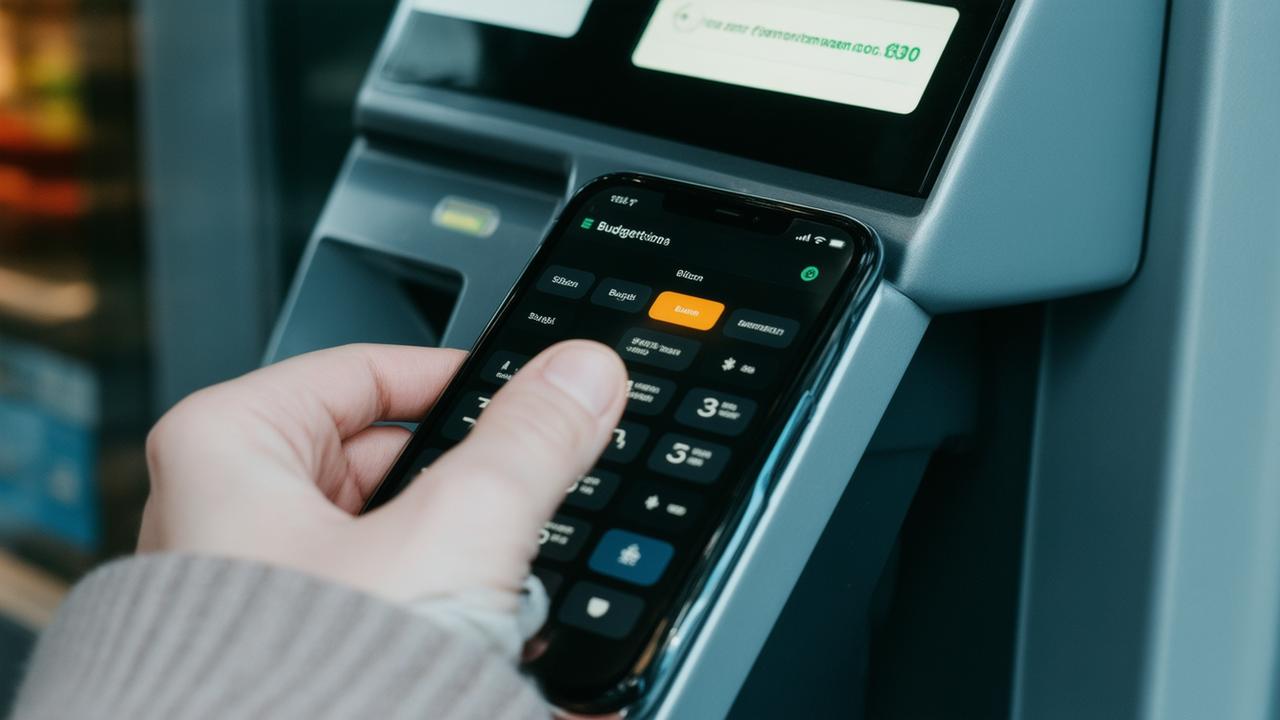
The first time I noticed the sound, it was almost nothing—a soft, plasticky click in the dim light of the grocery store. My thumb, half-distracted, was already moving to tap my card. The cart was full enough that I knew this trip would sting a little, but not enough that I was worried. Tap. Done. That was how it usually went. Purchase now, awareness later, when the bank app felt like bad news I was bracing for.
But that night, for reasons I didn’t yet understand, I stopped with my thumb hovering over the terminal. The line behind me shuffled. The cashier cleared her throat, polite but firm. And in that tiny pause—a single held breath long enough to notice—I realized something: almost every time I spent money, I was already too late to think about it. The decision had been made three steps earlier, in some foggy autopilot zone where habits do the steering.
It was an uncomfortable thought. A little embarrassing, too. How many times had I promised myself I’d “be better with money” while doing absolutely nothing to interrupt the miles of tiny, invisible decisions happening below the surface? That fleeting moment in the checkout line was the beginning of a quiet experiment, one that started with a surprisingly small change that ended up altering how I saw every dollar I spent.
The Quiet Autopilot You Don’t Notice
If you’ve ever found yourself staring at your banking app in disbelief—How did it get this low? I didn’t even buy anything big—you already know how sneaky spending can be. Not the dramatic, movie-scene splurges where someone storms into a mall and emerges with six shopping bags. No, this is the soft, slow erosion of your balance: the extra drink, the second streaming service, the “I’ve had a long day, I deserve this” delivery order.
Most of this happens on autopilot. You’ve probably developed little spending rituals that fit seamlessly into your routine. You buy coffee from the same place, click the same “Place Order” button on your phone, tap your card with the same quick flick of your wrist. These are the slipstreams of habit—the quiet little grooves your days run along.
And habits, especially financial ones, are built to avoid friction. Your brain likes easy. It likes familiar. It likes not having to negotiate with you every time you stand in front of the fridge and wonder if you’ll cook or hit the food app yet again. So we create systems that remove as much decision-making as possible: saved cards, one-click orders, contactless payments, subscriptions that renew without asking permission.
The trouble is, this convenience is also what makes spending feel abstract, almost imaginary—a series of taps and swipes instead of trade-offs and choices. Money becomes something that moves in the background, a quiet current you only notice when you’re already downstream.
The Small Change: A Tiny Pause That Changes Everything
The small change that began to shift everything for me wasn’t an app, a new budget system, or a rigid rule. It was embarrassingly simple:
Before any purchase—no matter how small—I would stop and say out loud, or silently in my head: “I am choosing to spend $X on Y right now.”
That’s it. A single, conscious sentence. But said before the tap, the click, the “Confirm Order” button.
At first, it felt strange. I tried it in a café line, just as the barista called out the next order. I stood there, card in hand, and thought: I am choosing to spend $6.50 on a coffee I could technically make at home. It didn’t stop me from buying the drink—but it made me feel a small, surprising weight to the action. Not guilt. Just gravity.
Later, standing in front of yet another small online purchase—a decorative candle, nothing special—I whispered it again: I am choosing to spend $18 on a candle I don’t need, because I like how it looks. The key word there was “choosing.” Not sliding into, not accidentally, not “it just happened.” I was making an active choice, and I had to own it.
That tiny sentence created the gap that had been missing. It wedged itself into the narrow space between impulse and action, between want and done. And in that gap, something important had room to grow: awareness.
How a Single Sentence Wakes Up Your Senses
At first, the practice felt like putting a spotlight on something I wasn’t used to seeing. Each time I used that sentence, the moment of spending became less foggy. I started to notice the physical sensations that went along with it—the slight rush when I was about to buy something exciting, the little clench in my chest when the total was a bit higher than I’d hoped, the dull numbness of the late-night scroll-shopping.
I began noticing surroundings I had previously breezed through: the soft humming of refrigerators in the grocery store, the faint crackle of a receipt printing, the quiet thud of packages at the door. Tuning into the sensory reality around each purchase made it feel less like playing with numbers on a screen and more like what it is: the exchange of my time, energy, and priorities for something material or momentary.
That one sentence—“I am choosing to spend $X on Y right now”—wasn’t a rule telling me what to buy. It was a lens, sharpening the edges of every decision. Instead of finding out, days later, that I had overspent, I was catching myself in the instant, before the money left my account. Not to shame myself. Just to see clearly.
What surprised me most was that this clarity didn’t make life feel smaller or stingier. It didn’t flatten joy or turn every purchase into a moral trial. Instead, it made the good buys feel even better and quietly revealed the ones that were more about boredom or habit than happiness.
Turning Money into a Conversation, Not a Drift
Once I was paying attention in the moment, patterns began to reveal themselves, almost like tracks through snow. I noticed how often spending happened when I was tired, rushed, or avoiding something. I saw how late evenings and early mornings were danger zones for “I deserve this” purchases that didn’t actually leave me feeling taken care of—just briefly distracted.
To ground this awareness even more, I started noting down a handful of daily choices in a low-pressure way. No spreadsheets, no color-coded categories. Just a short, honest list that made the invisible visible.
| Time | Purchase | Amount | What I Told Myself | How It Actually Felt |
|---|---|---|---|---|
| 8:15 AM | Coffee & pastry | $7.80 | “I don’t have time to eat at home.” | Rushed, not joyful. Habit. |
| 12:40 PM | Lunch out with coworker | $14.20 | “I want to connect with them.” | Felt worth it. Good conversation. |
| 5:55 PM | App food delivery | $23.60 | “I’m too tired to cook.” | Convenient, but regret afterward. |
| 9:30 PM | E‑book | $5.99 | “I want something relaxing for tonight.” | Genuinely enjoyed it. Good choice. |
This simple table wasn’t a budget in the traditional sense; it was a mirror. By pairing the amount with the story I told myself and the actual emotional outcome, I started to see which expenses were quietly draining me and which ones were quietly nourishing me. That one small pause before spending gave me the raw material to understand my own patterns.
Questions That Gently Nudge Your Choices
To deepen that pause, I added a few simple internal questions to the sentence. These weren’t meant to interrogate me, just to gently tap on the glass of my autopilot:
- Will I still be glad I spent this money three days from now?
- Is this solving the problem I actually have—or just soothing a feeling?
- If I had to pay this in cash, right now, would it still feel worth it?
Asking even one of these, alongside “I am choosing to spend…,” often shifted my next move. Sometimes, I went ahead and bought the thing—and felt peaceful about it. Other times, the spell broke. That’s the power of catching spending before it happens: you give yourself one more chance to decide.
➡️ This small adjustment helps reduce the feeling of bodily overload
➡️ What it means psychologically when you avoid talking about yourself, even when asked
➡️ I noticed my stress dropped once my cleaning goals became realistic
➡️ This is how to show interest without forcing enthusiasm
➡️ The one breathing mistake most people make daily without realizing it affects their stress levels
➡️ Why doing one task at a time is healthier than multitasking
➡️ I realized my cleaning system was built for a life I don’t live
Designing Tiny Speed Bumps in a Frictionless World
The modern world is engineered to make spending as smooth as possible. Tabs remember your card. Apps have frictionless payment. Stores tuck card readers right where your hands already are. If you don’t build any intentional friction into your own process, you’re always at a disadvantage.
The beauty of this small change—pausing to name your spending choice—is that it acts like a soft speed bump. But you can reinforce it with a few tiny design tweaks in your day:
- Turn off one-click purchasing where you can. Force one extra screen where your brain sees the amount.
- Remove saved cards from frequently used shopping sites, so you have to type numbers in. Just enough effort to wake up.
- Keep a sticky note on your card or phone case with a simple prompt: “What am I choosing right now?”
- Use a separate “fun money” account or card, so every tap pulls from a pool you’ve already decided is okay to spend.
These are not punishments. They’re just little reminders, gently tugging you back into the present when everything around you is designed to lull you into unconsciousness. Combined with that one conscious sentence, they shift you from drifting with the current to steering—even if just a little—toward where you actually want to go.
Letting Awareness Change You, Slowly and Kindly
Here’s the quiet truth about this practice: you don’t have to turn into a different person overnight. You don’t have to stop buying coffee, cancel everything fun, or transform into someone who clips every coupon and tracks every cent.
Once you start naming your choices, change tends to happen almost by itself—gently, over time. You might notice that certain purchases stop feeling worth the trade. You might find more satisfaction in the ones you consciously endorse. You might slowly reroute that delivery habit into cooking a simple meal while a favorite podcast plays in the background. Not because you were forced, but because the truth of the trade-off became clear.
The real magic of this small change is that it reclaims something deeper than money: your attention. Your presence. The sense that your life is not just happening to you, one transaction at a time, but that you are in quiet, steady conversation with it.
In the end, this isn’t a story about spending less for the sake of it. It’s a story about noticing. About standing in the subtle hum of a grocery store or the soft glow of your laptop, pausing just long enough to say: “This is what I’m choosing.” And realizing that, in that moment, you are not powerless at all.
Frequently Asked Questions
Does this small pause really make a difference if my income is tight?
Yes. When money is tight, every choice carries more weight. The pause won’t magically increase your income, but it can help you direct each dollar toward what matters most—essentials, real joy, or long-term stability—rather than autopilot spending that doesn’t actually improve your days.
Will this turn me into someone who overthinks every purchase?
At first, it might feel like you’re thinking a lot more. Over time, though, the sentence becomes a quick, natural mental check rather than a heavy deliberation. Many people find that it actually reduces anxiety, because they feel more in control and less surprised by their own spending.
How long does it take for this habit to feel natural?
Most habits take a few weeks to feel familiar. If you practice the sentence consistently—especially for your most frequent spending moments—it usually starts to feel automatic within a month. The key is consistency, not perfection.
Do I need to track every single purchase in a journal or app?
No. The core change is the before-spending awareness. Tracking can help you see patterns more clearly, but even noticing and naming your choice in real time has value on its own. You can start with just a few purchases a day if that feels more manageable.
What if I say the sentence and still make a choice I regret?
That will happen sometimes, and it’s okay. The goal isn’t to be flawless; it’s to be conscious. When regret pops up, use it as information instead of ammunition: What did that moment feel like? What was I trying to solve or soothe? That reflection will make the next pause even more powerful.





