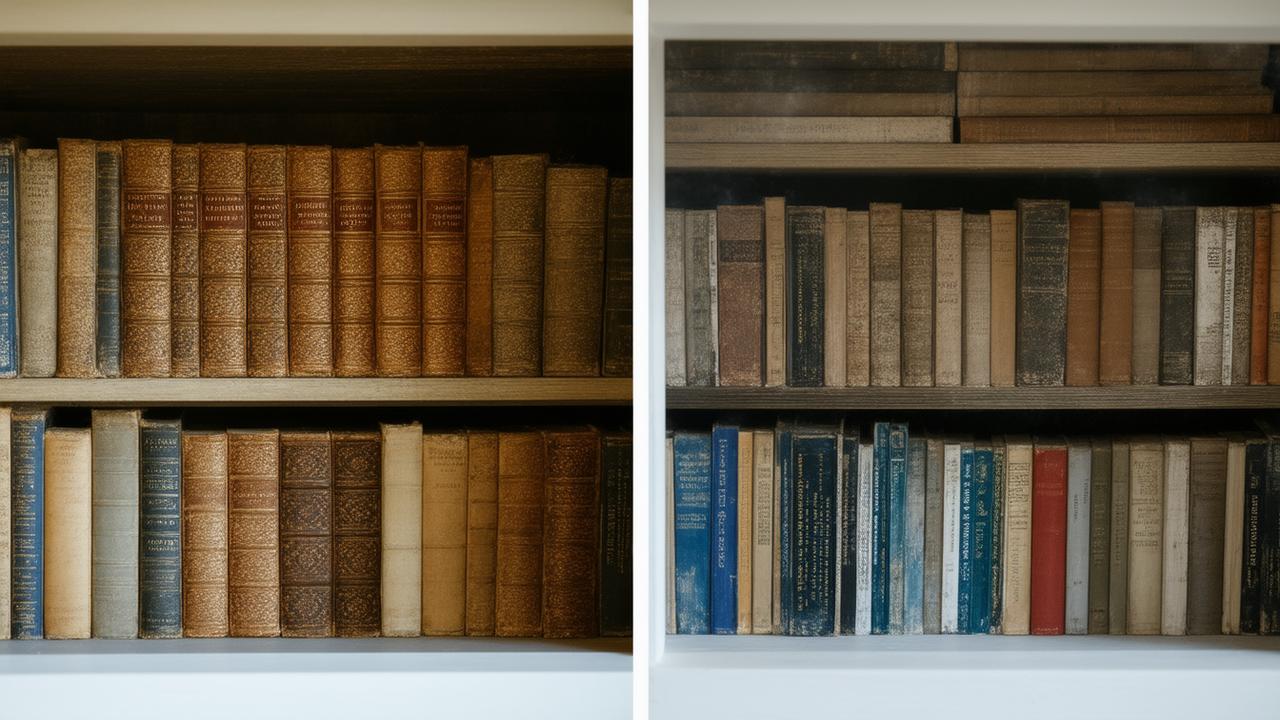
The first time I really noticed dust, I was sitting alone in my living room on an ordinary Tuesday afternoon. A shaft of winter light slanted through the window, and suddenly the air wasn’t empty at all. Tiny particles swam and spiraled in the beam, glittering like a slow-motion snowfall. It was beautiful, in a quiet way, until I realized something uncomfortable: all of that eventually lands on my shelves, my books, my favorite ceramic mug on the side table. I reached for the mug and ran a thumb across the rim. A faint gray smear came away on my skin. Somehow, while I was busy living my days, dust had been quietly building an empire on every surface I cared about.
The Slow Creep of Dust (And Why It Feels So Relentless)
We don’t usually think of dust as a character in our daily lives, but it has a strange presence. It doesn’t arrive with fanfare. It slips in with the mail, the groceries, the open window, the cat that leaps up onto the couch. It is made from so many stories stitched together: flakes of skin, fragments of fabric, pollen from a tree three streets away, city soot from a car you’ll never see, the powder of crumbling paint, the dry ghosts of long-gone insects.
You notice it exactly at the wrong moments: when guests are about to arrive, when your hand glides lovingly over a wooden table, when sunlight betrays the layer on the TV screen. It gathers especially on the things you like to look at—books, framed photographs, vases, the little collection of stones you brought back from a mountain hike last summer. The more beautiful the object, the more obvious the gray veil that settles on it.
So we dust. We swipe, wipe, blow, brush, vacuum. And a few days later, the delicate gray film is back again, as if mocking us. It can feel like a losing battle. But what if the battle is misunderstood? What if, instead of trying to win against dust, we could learn to discourage it from settling so easily in the first place?
The Simple Trick: A Nearly Invisible Shield
There is a quiet, almost sneaky way to keep dust from clinging to the things you love most. It’s not a fancy gadget or a miracle spray. It doesn’t involve cleaning more often or buying special cloths. The secret is this: dust doesn’t just land—it decides whether to stay. And surfaces that carry a small static charge, or have a bit of roughness or residue, invite it to stick like a burr on wool. Change the surface, even slightly, and you change the invitation.
The simple trick is to create a smooth, antistatic barrier on your objects—one that’s almost invisible to the eye but very real to the dust. After you clean a surface, you very lightly treat it with a soft, barely damp cloth that has been misted with either a diluted fabric softener solution or a tiny amount of furniture polish appropriate for that material. Then you buff until the surface feels slick, almost like water has turned to silk beneath your fingers. That’s it. The effect isn’t dramatic to you, but to dust, it’s like trying to land on ice instead of a wool sweater.
This “invisible shield” doesn’t stop dust from existing, of course. Nothing does. But it slows the buildup, makes each landing less permanent, and makes future cleaning easier. That simple shift—from sticky to slick—can change your relationship with dust from constant firefighting to occasional, almost leisurely maintenance.
How It Works: A Quiet Conversation Between Surface and Air
Imagine a wooden shelf that hasn’t been touched in months. The finish has tiny micro-scratches, almost like a microscopic landscape of hills and valleys. Maybe last time you dusted, you used a dry cloth that dragged more than it glided, leaving static and minute fibers behind. Dust sees that terrain and thinks: perfect. It settles in the grooves, clings to the tiny fibers, grabs onto the charge.
Now imagine the same shelf after you’ve cleaned it with a gentle, slightly damp microfiber cloth and then gone over it with a second cloth carrying that whisper-thin antistatic layer. The hills and valleys are still there, but smoothed over. The surface no longer crackles with attraction. It’s more like glass—difficult for dust to grip. Particles that do land are less loyal; a light swipe a week later sends them drifting off with little effort.
This is less about chemicals and more about texture and charge. Microfiber cloths are especially good accomplices; their ultra-fine threads trap dust instead of pushing it around, and when barely damp, they reduce static instead of building it. Combined with that faint softening or polishing layer, they create conditions dust doesn’t love.
In a world saturated with products promising miracles, there’s something soothing about a method that is physical rather than magical. You’re not banishing dust. You’re simply making your surfaces less hospitable to it—like choosing smooth river stones over velcro.
Choosing the Right Allies: Surfaces, Cloths, and Gentle Helpers
The trick works best when you match your materials thoughtfully. Think of it as pairing tools and surfaces the way you’d pair wine and food—or hiking boots and trails.
For wood, a light, natural or silicone-free furniture polish used sparingly on a soft cloth can leave behind that subtle protective slickness. You don’t want shine so much as glide. For glass and metal, a diluted drop of mild dish soap in water, followed by a dry buff with a clean microfiber cloth, can be enough. For plastic—remote controls, game consoles, the plastic frames of lamps—a very lightly misted cloth with a diluted fabric softener solution (just a drop in a spray bottle of water) can help reduce static that would otherwise suck in dust like a magnet.
There is an art to “barely.” Too much product, and surfaces feel oily or smudged; too little, and you’re only pushing dust around. Over time, your fingers learn the language of it. A well-treated surface doesn’t feel wet or sticky. It feels calm.
| Surface | Best Cloth | Simple Antistatic Helper |
|---|---|---|
| Finished wood shelves | Soft microfiber | Tiny amount of furniture polish, buffed well |
| Glass & mirrors | Lint-free glass cloth | Mild soapy water, then dry buff |
| Plastic frames & gadgets | Microfiber | Water with a drop of fabric softener |
| Metal lamps & fixtures | Soft cotton or microfiber | Light polish or simple damp-wipe then buff |
Turning a Chore into a Small, Satisfying Ritual
There’s another piece to this story that has nothing to do with chemistry or static. It’s about rhythm.
If you only dust when things look bad, the job always arrives as a kind of accusation: You let it get this far. But this simple trick—clean, treat, buff—takes on a different character when you do it more gently, more often, on a few chosen objects at a time.
Picture this: every Sunday morning, you make a cup of coffee or tea and walk slowly through your home. Not to hunt messes, but to visit your favorite things. The spine of that novel that changed you. The seashell from a lone walk on a windy beach. The framed photo of your grandparents laughing at a picnic decades before you were born. You lift each one, feel its weight, and with a soft cloth you give it a quick, respectful wipe and buff.
The antistatic layer does its quiet work in the background, but the ritual does something for you too. Your home becomes less a place to maintain and more a living archive of your days and travels. Dusting isn’t punishment; it’s a conversation—a few moments of attention paid to the objects that carry meaning for you.
Why Some Spots Always Seem Dustier
As you start paying closer attention, you’ll notice patterns. Some places collect dust faster than others, almost like eddies in a river. The top of the fridge, the back edge of the TV stand, the upper spines of books, the frames of wall art, the seldom-touched corners of a bedside table. Air currents swirl around them, dropping particles as they go.
➡️ This small adjustment helps reduce the feeling of bodily overload
➡️ What it means psychologically when you avoid talking about yourself, even when asked
➡️ I noticed my stress dropped once my cleaning goals became realistic
➡️ This is how to show interest without forcing enthusiasm
➡️ The one breathing mistake most people make daily without realizing it affects their stress levels
➡️ Why doing one task at a time is healthier than multitasking
➡️ I realized my cleaning system was built for a life I don’t live
Here, the simple trick becomes especially powerful. If you treat these “dust hotspots” with that invisible barrier, the effect is multiplied. A bookshelf top that once needed weekly dusting might stretch to two weeks. The TV stand that used to look fuzzy in a few days now holds its slick, dark surface much longer.
Combine this with one more gentle habit: reducing the sources of dust you can control. Wash throw blankets regularly. Don’t let clutter gather in piles—paper and fabric both shed. Change or clean air filters on schedule. None of this will erase dust (nor should it; a perfectly sterile house would feel oddly lifeless), but it turns down the volume on the constant influx.
A Home That Breathes, Not Battles
There is something deeply human about the way we relate to our surroundings. We are always, in some small way, tending to them—straightening a picture frame, smoothing a wrinkle in a blanket, lining up shoes by the door. These gestures say, I live here. I care.
The simple trick to prevent dust buildup is less about perfection and more about ease. By giving objects a smoother, less clingy skin, you reclaim time and attention for better things: a quiet evening with a book on that now-less-dusty shelf, a lingering conversation at a table that no longer needs a last-minute wipe.
Dust will still dance in that afternoon sunlight. It will still settle, softly, inevitably. But now, it will meet just a bit more resistance, slide off a little more easily, require less of you. You’ll know you’ve done something subtle but meaningful—changed the way your home receives the world’s tiny fragments.
And maybe, next time that golden light pours in and reveals the swirling motes, you won’t see a problem waiting to happen. You’ll see what you’ve always been living inside of: a world in motion, constantly shedding and renewing itself, while your small, cared-for corner stays just a bit calmer, a bit clearer, a bit more your own.
Frequently Asked Questions
Does this trick completely stop dust from collecting?
No. Nothing can completely stop dust from forming and settling. What this method does is slow down buildup and make surfaces less attractive to dust, so it collects more slowly and is easier to wipe away.
Is it safe to use fabric softener on all surfaces?
No. A very diluted fabric softener solution is best reserved for hard plastics and some painted surfaces. Avoid using it on unfinished wood, delicate antiques, or surfaces that specifically advise against it. Always test in a small, hidden area first.
How often should I apply this antistatic layer?
For most frequently used areas, once every one to two weeks is enough. On surfaces that don’t get touched often, you might only need to refresh it once a month or even less.
Can I use regular cotton cloths instead of microfiber?
You can, but microfiber tends to trap dust more effectively instead of just pushing it around. If you use cotton, make sure it’s very soft and slightly damp, and be prepared to rinse or shake it out more often.
What if I’m sensitive to scents or cleaning products?
Use plain water with a tiny drop of mild, unscented soap and finish with a dry buff using a clean microfiber cloth. Even without added products, the combo of a damp wipe and thorough buffing can still reduce static and slow dust buildup.





