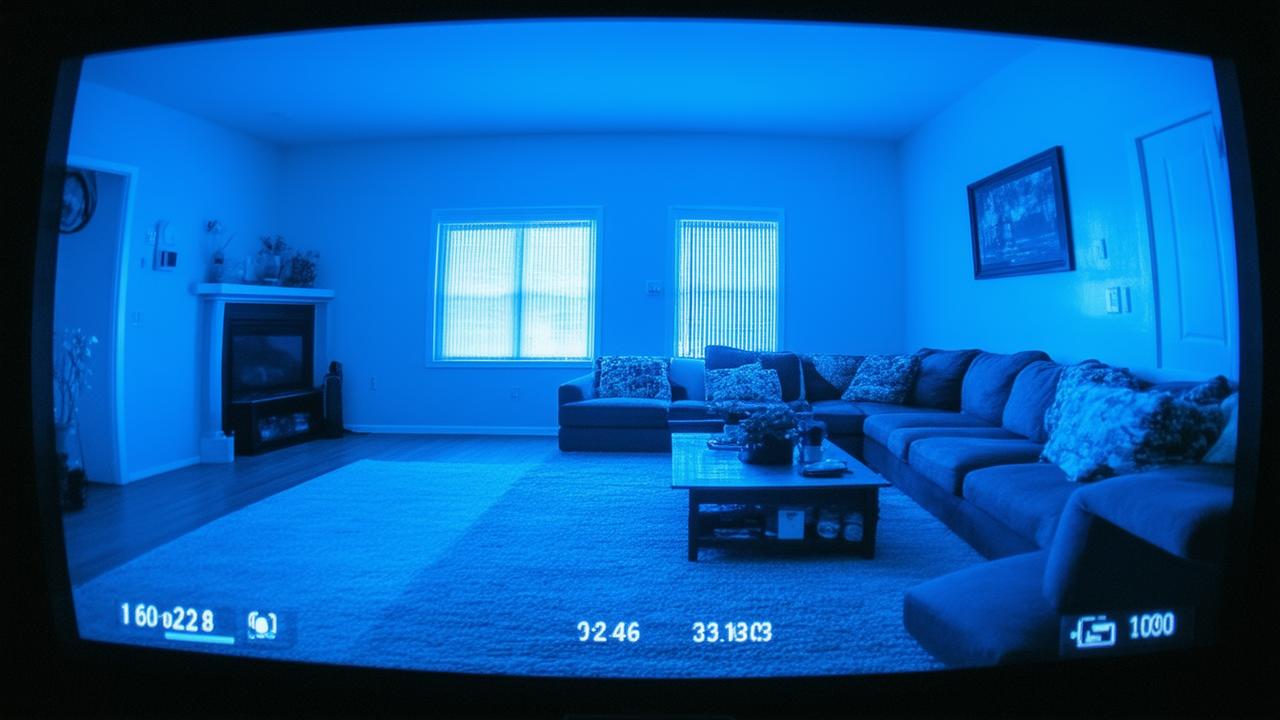
It started with the hum of the old radiator and the soft click of a camera app opening on my phone. Outside my fifth-floor apartment window, the autumn sky over the city was the color of wet concrete, and I was supposed to be boarding a flight in three hours. My suitcase was packed. My passport was tucked into the side pocket. But my eyes were glued to a small glowing rectangle that showed my living room live, in real time, as Milo, my golden mutt with a crooked ear and a tendency to howl at sirens, snored gently on the couch.
The Promise of Peace of Mind
Hiring a dog sitter had felt strangely intimate, like introducing a stranger to the softest part of my daily life. Milo isn’t just a pet; he’s the creature who presses his cold nose to my hand when my anxiety gets loud, the one who shadows me from room to room, the one who has memorized the sound of my keys, my footsteps, my bad days.
I had scrolled through profiles for hours. Faces smiling in carefully lit photos, bios packed with “animal lover,” “responsible,” “trustworthy.” Eventually, I chose her: Lena, late twenties, short dark hair, bright green bandana in every picture, references that read like fan mail.
“I do this full-time,” she wrote. “I specialize in anxious dogs and city pups. I’ll treat your home and your dog like my own.”
We met at the park a week before my trip. Milo trotted up to her and sniffed, then—unexpectedly—leaned in. It felt like a kind of vote. Lena laughed, scratching under his chin. “We’re gonna be best buds, huh?” she said, voice light and easy. I watched as Milo’s tail did that slow, measured wag he reserves for people he’s not entirely sure about, but open to.
When I mentioned the camera—“It’s just a little Wi‑Fi thing in the living room so I can peek in on him”—she waved it off casually. “Of course, totally understand. You travel, you worry. No problem at all.”
Peace of mind, I told myself. Logistics handled. I paid her deposit. I made a spare set of keys. I stocked up on treats and labeled the dog food containers. I even left a note on the counter with silly details, like how Milo prefers the blanket that smells like me and how he gets suspicious of people in hats.
The First Night’s Quiet
The first night away, in a hotel room that smelled faintly of stale soap and industrial carpet cleaner, I lay on the stiff white bed and clicked open the camera app. The blue progress wheel spun, then sharpened into my familiar living room: the crooked framed posters, the secondhand coffee table with a nick on one corner, the plant in the window trying its best to stay green.
Milo was curled in his usual place on the end of the couch, chin tucked into his paws, chest rising and falling in that slow, peaceful rhythm that had always soothed me. On the floor was Lena’s backpack, leaned gently against the side of the couch. A pair of sneakers waited by the door. A shape of a woman—Lena, presumably—moved past the camera, humming a tune I couldn’t quite place.
I watched for a few minutes as she bent down to ruffle Milo’s fur. He stretched, rolled onto his back, legs in the air, the canine universal sign for “I trust you, please rub my belly.” She obliged, laughing, and for that sliver of time, my chest loosened. Maybe I’d overthought this. Maybe the world really did still have people who were exactly what they said they were.
I locked my phone and turned off the hotel lamp. Somewhere above the city, planes roared past. My last thought before sleep was of Milo’s soft ears and Lena’s easy laugh mixing with the radiator hum back home.
When the Camera Blinked Awake
It was the second night when the illusion cracked.
I woke up long before my alarm, the hotel room still dark, the distant sound of traffic like a dull ocean outside. My phone screen glowed 3:07 a.m. I wasn’t sure what had pulled me from sleep—maybe the strange bed, maybe the too-quiet air conditioner. Almost by muscle memory, I opened the camera app.
The screen flickered, then resolved into my living room. But it wasn’t how I’d left it.
For one thing, the light was on.
The table I’d cleared was now cluttered with objects that were not mine: a half-empty bottle of cheap whiskey, red plastic cups, a pack of cigarettes, and a scattering of keys. I felt my stomach tighten in a slow, deliberate way.
A figure crossed the frame, then another. Neither was Lena. A man in a faded hoodie, his hair tied back, flopped onto my couch with the familiar ease of someone returning home—except this was not his home. Milo wasn’t even in sight.
My ears rang.
The camera’s small speaker didn’t carry the sound fully, but there was the fuzzy murmur of voices, a burst of laughter, the hollow thump of something—maybe shoes—being kicked against the hallway wall. The man reached over my coffee table, picked up my TV remote like he’d done it a hundred times, and turned on the screen. Colors from a movie trailer flashed over his face.
Then Lena appeared.
She walked into view holding two more cups, her hair up, bandana gone, wearing a sweatshirt I didn’t recognize. She dropped onto the arm of the couch, leaning casually against the man, like they’d done this before. Like my apartment was their regular Friday night spot.
I stared at my own furniture, my bookshelves, my framed photos of college friends and my parents, now a backdrop for two strangers treating my space like a bar they’d stumbled into. The room glowed warm and wrong through the camera lens.
Unknown Guests, Unseen Boundaries
I pinched the screen to zoom in, fingers trembling. On the rug, pushed into the corner of the frame, was Milo’s dog bed—empty.
“Where is he?” I whispered into the hotel darkness, as if the camera could answer.
Lena got up, half out of frame, and I caught a glimpse of the hallway leading to my bedroom. That hallway, with its single, scuffed baseboard and the coat hook that always leans to the left, was suddenly foreign. The man followed her, stumbling slightly, laughing. I saw their shadows tilt across the wall as they disappeared from view, deeper into my home. My home.
The camera kept on recording, an unblinking witness to whatever they were doing just out of sight. It caught pieces: a flash of Lena’s hand reaching into my kitchen cabinet, producing snacks I hadn’t offered. A pair of boots tossed onto my rug. A third person arriving twenty minutes later, a woman with bright red lipstick and a leather jacket, moving through the door like she’d been there before.
I watched this stranger scan my walls, point at a photograph, say something that made the room erupt in laughter, though I couldn’t quite make out the sound. My photo. My memory. Their joke.
Milo appeared finally, slipping hesitant into frame. His ears were folded back, eyes wide, body low to the ground. He looked the way he does when he hears fireworks—uncertain, waiting for the next explosion. None of them noticed, at first. When the man did reach down, his touch was careless, more of a shove than a pet. Milo flinched.
Something hot rose in my chest. My dog, who I’d entrusted to her care, was being treated like an afterthought in the one place that had always been his safe harbor. My living room, with its familiar smells of laundry detergent and coffee and dog shampoo, had been invaded by the cologne of strangers and the sharp tang of cigarette smoke. Even through the screen, I could imagine it, feel it, as if the very air of my home was changing without my consent.
The Subtle Signs We Ignore
Looking back, there had been small things that could have been red flags, if I’d squinted at them the right way. The way Lena had,
in passing, said, “I love city energy, you know? I hate being alone in an apartment at night.” Or how she’d brushed off my detailed notes about Milo’s schedule with a quick, “I’m super flexible, don’t worry!”
But then, trusting someone always requires a kind of selective blindness. You choose not to imagine all the ways it could go wrong, or you’d never hand anyone your keys. We live in tight boxes stacked on top of each other, in cities built on the faith that most people will not climb through your window or slip through your door uninvited. We invite technology into that fragile trust—tiny plastic cameras with wide-angle lenses, connection icons that promise you’ll always know what’s happening when you’re not there.
Still, even with all the emerging cautionary tales, I hadn’t thought to spell out: “Do not bring strangers into my apartment.” It felt assumed, basic, almost too obvious to say aloud. Like, “Please don’t take my couch with you when you leave” or “Please don’t rearrange my entire life while I’m gone.”
In that dim hotel room, watching the live feed, I realized that what feels obvious to one person is negotiable to another. That line you never imagined someone would cross? To them, it’s barely a smudge on the floor.
The Moment of Confrontation
I didn’t think; I just hit the “talk” icon on the app. There was a soft beep from the camera in my living room, and three heads snapped toward it like startled animals.
“Lena.” My voice, disembodied and small, echoed tinny through the speaker. On my phone screen, I saw her freeze.
The man on the couch frowned, scanning the room as if expecting to find me hiding behind a chair. The woman by the door took a step back, her hand hovering near the handle.
“Lena,” I repeated, this time slower, “what is going on in my apartment?”
For a heartbeat, nobody moved. Then she stepped closer to the camera, face upturned, eyes squinting as though she could see me inside the little black lens.
“Hey!” she said, forcing a laugh that didn’t sound like the one I’d heard in the park. “It’s—uh—it’s fine. These are just my friends. We’re just hanging out. Milo’s totally cool.”
On the edge of the frame, Milo paced in small anxious circles.
“You brought guests into my home without my permission, at three in the morning,” I said. The calm tone in my voice surprised even me. “I want all of you to leave. Now.”
The man huffed, muttering something about “overreacting” under his breath. The woman rolled her eyes. Lena rubbed the back of her neck, the easy confidence from our first meeting gone, replaced by a nervous twitch.
“You said you had cameras,” she shot back. “If you didn’t want anyone over, you should’ve, like, specified that. I’m just dog-sitting, not under house arrest.”
➡️ How cleaning baseboards first shortens total cleaning time significantly
➡️ India: king cobras may be spreading by accident – by train
➡️ How often can you dye your hair without damaging it?
➡️ Keeping your bedroom door open at night might improve airflow enough to lower carbon dioxide levels and deepen your sleep
➡️ It’s now official: heavy snow is expected to begin late tonight as authorities urge residents to exercise extreme caution
➡️ Lidl is set to launch a Martin Lewis–approved gadget next week, arriving just in time to help households get through winter
➡️ Inheritance law shake-up confirmed: a new reform arriving in February will significantly change the rules for heirs
There it was, spelled out: to her, my apartment was a gig with a couch and a TV. To me, it was the center of my life.
“I am ending this arrangement,” I told her. “You need to leave my keys on the kitchen counter and get out right now. I’ll be home tomorrow. I’ll have someone else pick up Milo.”
For a second, our silence stretched across cities and cell towers, thick and electric. Then she shrugged, tossing her hair. “Fine,” she said. “We’ll go.”
I watched as they collected their things in clumsy, annoyed movements, as the man knocked over one of my plants and didn’t pick it up, as the woman slipped my candle into her bag when she thought the camera wasn’t angled her way. I saw Lena hesitate at the door, glancing back at Milo, who had retreated to his bed, eyes tracking her every move.
She didn’t say goodbye to him.
Picking Up the Pieces
The next afternoon, when I finally pushed my key into the lock and stepped into my apartment, the air hit me first—stale smoke, spilled alcohol, something sour underneath. The kind of smell that lingers in curtains and cushions long after the people who brought it are gone.
Milo barreled toward me, all 60 pounds of relief and fur. His nails skittered on the hardwood. He whined, that high, broken sound I’d only heard at the vet’s office. I sank to my knees, burying my face in his neck. He smelled like dog shampoo and faintly, like ash.
When I stood up, the damage came into focus in pieces. My favorite mug, cracked on the counter. A thin ring of liquid on my coffee table. A plant knocked sideways, soil scattered like dark confetti on the floor. The candle I’d noticed in the recording was, in fact, missing.
On the table, where I’d left a note filled with exclamation points and little hearts next to Milo’s feeding schedule, were my keys, tossed carelessly, and a scrap of paper: “Sorry if I crossed a line. Nothing bad happened. Milo’s fine.”
The line, of course, was the entire point.
Lessons from an Unwanted Gathering
Later, when the anger settled into a quiet ache, I found myself thinking less about the broken trust and more about the thin distances modern life asks us to accept. We hand our most private spaces to people who arrive through apps and filtered photos. We invite digital eyes into our living rooms, kitchens, and bedrooms, trading a piece of our privacy for the hope of security.
Hiring a sitter, in theory, is about care. But beneath that is a deeper question: what does it mean to trust someone with the spaces and beings you love most?
I made a list for myself, not just of new house rules, but of new awareness. I wrote down questions I’d never thought to ask before, the ones that now felt essential:
| Question | Why It Matters |
|---|---|
| Do you ever have guests over while pet-sitting? | Clarifies boundaries about who is allowed in your home. |
| How do you handle being alone in someone else’s space? | Reveals comfort levels and potential habits. |
| Are you comfortable with cameras in the home? | Ensures transparency about monitoring and privacy. |
| Have you ever had a situation go wrong on a sit? | Gives insight into honesty, responsibility, and problem-solving. |
| Can we write out clear house rules before the stay? | Puts expectations in writing so “obvious” rules are explicit. |
I learned that “I’ll treat your home like my own” can be comforting—or a warning, depending on how someone treats their own. I learned that Milo’s instinctive wariness toward some people deserves as much weight as any five-star review. And I learned that technology can show you the facts, but it can’t prepare you for the feeling of seeing your safe place rewritten in real time.
What Stayed, What Changed
Weeks later, the apartment felt mostly like mine again. The smoke finally surrendered to the smell of brewed coffee and clean laundry, and the new plant on the windowsill unfurled fresh leaves as if it trusted the light. Milo had stopped pacing every time a car door slammed outside. He slept more deeply again, his paws twitching with dreams that, I hoped, had nothing to do with red cups or harsh laughter.
The camera was still there, a small black eye in the corner of the room. I considered taking it down, reclaiming some part of my privacy. But I left it, adjusting its angle slightly, acknowledging that I now understood its role better: not as a guarantee, but as another layer in a fragile web of trust that still, somehow, holds most of our lives together.
I still hire sitters. I still travel. I still leave my keys on the counter for people whose last names I barely know. But now, when we first meet, I look a little longer. I listen for the throwaway comments. I ask the questions that used to feel awkward, too direct, too suspicious. I say, clearly, out loud: “No guests in my home. Ever. Not friends, not family, not anyone.”
And when they nod, I pay attention to how their eyes move, how their smile shifts, how Milo responds when they reach for his leash.
In the end, the strangest part isn’t that someone crossed a boundary I thought was obvious. It’s how quietly it happened, how easily my living room became someone else’s night out—until a small camera blinked awake, and I watched my own life from the outside, realizing just how sacred the inside really is.
Frequently Asked Questions
Is it common for sitters to bring guests into a client’s home?
Reputable sitters and professional services generally consider it unacceptable to bring unapproved guests into a client’s home. While it does happen, it is not standard or ethical practice and should be treated as a serious boundary violation.
How can I prevent a sitter from bringing unknown people into my home?
Put clear rules in writing before the sit begins. State explicitly that no guests are allowed in your home for any reason, and include this in your booking messages or a signed agreement. Discuss it verbally as well to avoid any “misunderstandings.”
Should I tell sitters about cameras in my home?
Yes. Ethically and, in many places, legally, you should disclose any cameras in your home and where they are located. Transparency builds trust and avoids accusations of secretly monitoring someone without their consent.
What should I do if I catch a sitter breaking house rules on camera?
Stay calm, document what you saw (screenshots or recordings, if possible), and contact the sitter to end the arrangement. If you booked through a platform, report the incident to them. If property is damaged or stolen, or if you feel threatened, consider contacting local authorities.
How can I better screen potential sitters in the future?
Read reviews carefully, ask for references, conduct a video or in-person meet-and-greet, and trust your intuition about their behavior. Ask direct questions about boundaries, prior issues on sits, comfort with house rules, and how they handle being responsible for someone else’s space and pet.
Are cameras the only way to keep my home and pet safe when I’m away?
No. Cameras are just one tool. Strong communication, written agreements, reputable services, references, and gradual trust-building—such as short trial sits or daytime visits before overnight stays—are equally important in keeping your home and pet safe.
How do I rebuild trust after a bad pet-sitting experience?
Give yourself time. Start with shorter, lower-stakes arrangements, perhaps asking trusted friends or family first. When you do use a sitter again, be more explicit with expectations, use written rules, and listen closely to your own unease or comfort during the process. Over time, positive experiences can slowly balance out the bad one.





