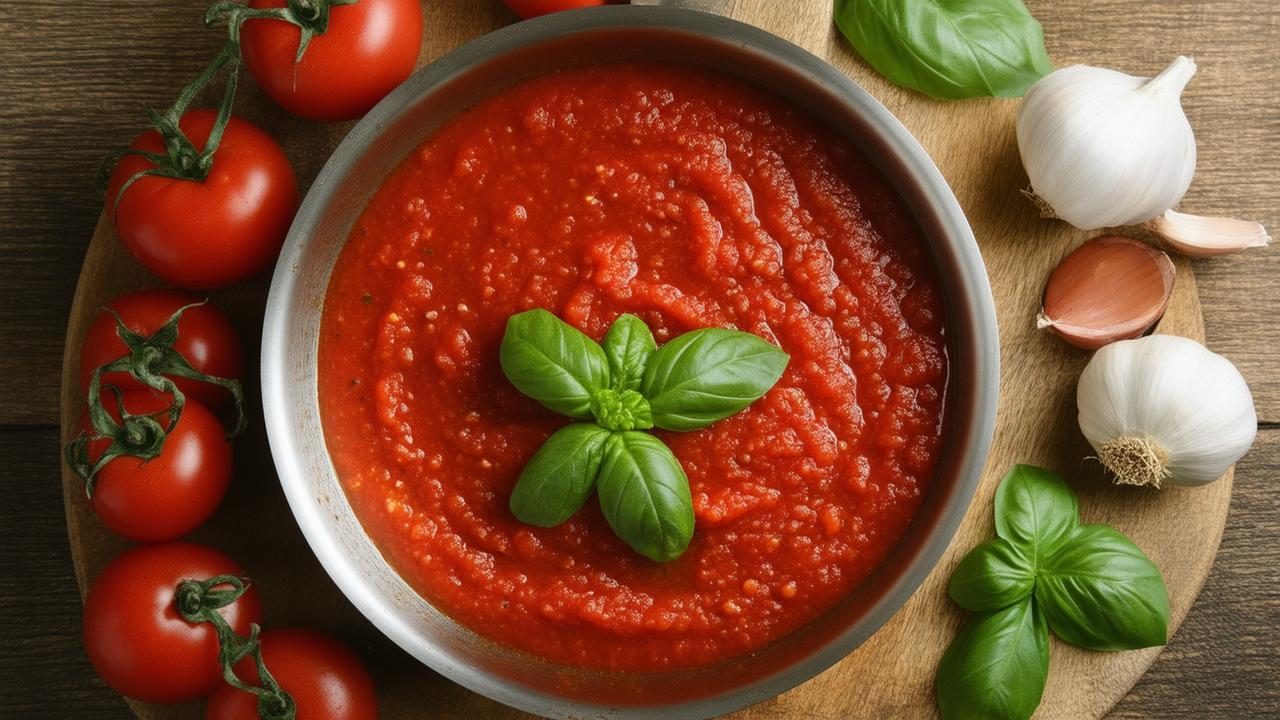
The sauce began, as these things often do, with impatience. One rainy evening, you stood in your kitchen, staring into the fridge, torn between ordering in and making something—anything—warm and comforting. You wanted the kind of pasta sauce that clings to each strand like silk. The kind that smells faintly sweet and smoky, with a glossy sheen you usually only see when a server lowers a steaming plate in front of you at a restaurant. But you didn’t want a long recipe or twelve ingredients. Just something simple, but rich. Something that felt like a small, quiet luxury on an ordinary night.
The Magic of Restraint: Why Four Ingredients Are Enough
Most of us have been trained to believe that “restaurant-quality” means complicated: multiple pans on multiple burners, a chopping board buried in herbs, spices, obscure cheeses, and at least three kinds of oil. But the truth is, many of the best sauces in the world are exercises in restraint. They whisper instead of shout.
For this sauce, you only need four things: tomatoes, olive oil, garlic, and salt. That’s it. No sugar to “fix” the acidity. No bouquet of herbs fighting for attention. No cream for richness. Just four ingredients treated with care, time, and a bit of heat.
It sounds almost suspiciously simple, like a trick. Yet the magic lies in how these ingredients transform when they meet low, gentle heat and a bit of patience. The tomatoes slowly surrender their water, their flavor deepening and concentrating. Garlic softens from sharp and pungent to sweet and round. Olive oil thickens and perfumes the entire pan. Salt does what salt always does when used well: it turns up the volume on everything.
You’re not just heating things; you’re coaxing them into becoming more themselves. This is why restaurant sauces taste so different from the quick, rushed ones at home. It isn’t about fancy ingredients. It’s about giving simple ingredients a chance to bloom.
The Four Ingredients: Choose Them Like They Matter (Because They Do)
When you’re only working with four ingredients, each one becomes a main character. There’s nowhere to hide, which is exactly why the sauce tastes so clean, so vivid, so intentional. Think of this sauce as a small cast of actors on a quiet stage. Each one has to be good.
| Ingredient | What to Look For | Why It Matters |
|---|---|---|
| Tomatoes | Whole peeled canned San Marzano or good-quality plum tomatoes | They’re sweet, low in water, and rich in flavor, giving your sauce body and depth. |
| Olive Oil | Extra-virgin, fruity, and fresh-smelling | This is your “butter” and your flavor backbone, creating a velvety mouthfeel. |
| Garlic | Firm cloves, no green sprouts, no softness | Fresh garlic turns sweet and aromatic when gently cooked, building base flavor. |
| Salt | Sea salt or kosher salt | Well-timed salting highlights every note in the tomatoes and garlic. |
That’s your entire ingredient list. No Parmesan, no basil, no pepper flakes, unless you decide to stray later. For now, stay here with the basics. There’s a kind of quiet confidence in cooking with so little. You’re not “cheating” by keeping it simple; you’re focusing.
The Slow Sizzle: Where Restaurant Flavor Really Happens
Picture your pan on the stove. Not screaming hot. Not smoking. Just warm, like the first minutes of a summer morning. You pour in more olive oil than you usually would—enough to generously coat the bottom, and then a bit more. This is where home cooks often hesitate: it feels like too much. But this is your first secret. The oil is not just a cooking medium; it is the lush, silky foundation of your sauce.
Garlic slips into the pan next, sliced or gently smashed, never minced into oblivion. Minced garlic burns easily and quickly turns bitter. Larger pieces mean slower cooking and deeper sweetness. You stir, lazily, watching the edges blush gold. The scent changes from sharp to warm and nutty. This is not the moment to answer a text or step away. A few seconds too far, and the garlic will go from fragrant to acrid.
Then, the tomatoes. If they’re whole canned tomatoes, you crush them with your hands over the pan. It’s messy in the best possible way, juice running through your fingers, seeds popping. You hear the faint hiss as the liquid hits the hot oil and garlic. Everything smells like you’ve just walked into a tiny trattoria where someone’s nonna has had a pot on the stove all afternoon.
Salt goes in now—enough to taste, but not enough to finish. Seasoning a sauce is like guiding a conversation. You don’t say everything at once. You adjust as you go, tasting, responding, coaxing.
Letting Time Do the Cooking
This is the part restaurants understand and home kitchens often resist: the patience of a slow simmer. At first, your sauce looks loose, almost watery. The oil might float a little on top; the tomatoes still hold the memory of their original shape. It’s tempting to crank the heat, rush the process, and force everything into submission.
Don’t. Instead, lower the heat until your sauce is barely bubbling, just shy of a simmer. Tiny pockets of warmth rise to the surface, gently, slowly. You stir now and then, and each time, the sauce looks a little different—thicker, deeper in color, less chaotic at the surface. Somewhere in that slow transformation, the sauce begins to taste like it came from a restaurant kitchen.
As the water evaporates, flavors concentrate. The olive oil absorbs the essence of tomato and garlic, becoming an orange-red halo around the edges of the pan. The tomatoes, once bright and sharp, turn rich and mellow. Fifteen minutes can make a nice sauce. Thirty can make a beautiful one. Forty-five, especially with good tomatoes, can give you something that tastes like you’ve been tending it for hours.
You taste along the way. Halfway through the cooking, the sauce may still feel a bit sharp or thin. Each taste is like catching a story mid-sentence; it’s not finished yet. Near the end, you adjust the salt once more. Suddenly, everything locks into place—the sweetness, the acidity, the faint bitterness of olive oil, the soft hum of garlic.
The Quiet Art of Matching Sauce to Pasta
Restaurant chefs don’t just ladle sauce onto cooked pasta; they marry the two. That’s where the gloss, the cling, the luxurious coating comes from. You can do exactly the same thing at home, in the same pan where your sauce has been gently burbling away.
While the sauce finishes, your pasta water should already be boiling. The water should be generously salted; it should taste pleasantly salty, like a gentle sea. You cook the pasta just shy of done—firm in the center, not chalky, but not soft either. This is your other secret: you finish cooking the pasta in the sauce.
You lift the pasta straight from the pot, dripping with starchy water, and slide it into the waiting sauce. That cloudy pasta water is liquid gold. It helps the sauce emulsify, turning oil and tomato into a silky, unified coating. A small splash of pasta water into the pan, then a tumble of pasta, and you begin to toss.
Over low to medium heat, the pasta and sauce meet and get to know each other. The starch from the pasta water binds to the olive oil and tomato, creating that luxurious, restaurant-style cling. The sauce no longer sits on top of the noodles; it becomes part of them. The sound changes too—from a wet slosh to a soft, sticky whisper as the sauce thickens and grips.
Small Rituals That Make It Taste Like a Treat
What makes this simple pasta feel like something from a dining room with white tablecloths and low lights instead of your familiar kitchen? It isn’t complexity; it’s intention. The small rituals matter.
➡️ Nasa receives 10-second signal sent 13 billion years ago
➡️ Is it better to turn the heating on and off or leave it on low ?
➡️ If the ATM keeps your card this fast technique instantly retrieves it before help arrives
➡️ Never leave your bedroom door open at night even if you think it is safer open the shocking truth that firefighters and sleep experts do not want you to ignore
➡️ Probably F?15s, F?16s, F?22s And F?35s : Dozens Of US Jets Now Converging On The Middle East
➡️ Neither tap water nor Vinegar: The right way to wash strawberries to remove pesticides
➡️ Nivea : I applied the blue cream every night to only one side of my face for a week, here’s what happened
Warm your bowls, if you can—either with a splash of hot water or a brief rest in a low oven. Hot pasta in a cold bowl cools too fast. A warm bowl holds onto that glossy, steamy magic just a bit longer.
Serve immediately, the moment everything feels right—sauce clinging tightly, pasta just tender. Twirl it into the bowl rather than dumping it in; this isn’t about presentation for anyone else, but for you. Even if you’re eating alone, there’s something grounding about treating the meal with quiet respect.
If you want to add grated cheese or a drizzle of extra olive oil, do it at the table, like the final brushstrokes on a painting. But notice: the sauce didn’t need them. It’s already carrying its own weight, fully formed, rich with just four ingredients.
Trusting Your Senses More Than the Recipe
The real difference between a good home cook and a great one isn’t a secret repertoire of recipes; it’s the habit of paying attention. This sauce invites you into that kind of cooking. It asks you to notice: the color of the garlic when it’s ready, the way the bubbles soften as the sauce thickens, the scent shifting from bright to deep, the cling of the sauce on the back of a spoon.
Once you make this a few times, you’ll stop needing precise minutes. You’ll know when to add more salt, when to stop simmering, when to pull the pasta. You won’t be following instructions so much as having a conversation with the pan in front of you.
And that’s when the simple act of making dinner starts to feel like a gentler, slower way of being in the world. The rain outside the window, the low hiss of the burner, the steady rhythm of your stirring—suddenly, they all feel like part of the same small, human ritual. You didn’t order in. You made something richer than that: not just a meal, but a moment.
Frequently Asked Questions
Can I use fresh tomatoes instead of canned?
Yes, but choose ripe, flavorful tomatoes like plum or Roma. Blanch, peel, and roughly chop them first. You may need to cook the sauce a bit longer to evaporate the extra water and deepen the flavor.
How long should I cook the sauce?
A minimum of 20–25 minutes will give you a good sauce, but 35–45 minutes on low heat usually creates a deeper, richer flavor. Let the look, taste, and thickness guide you more than the clock.
My sauce tastes too acidic. What can I do?
First, cook it longer; time often softens acidity. Then adjust with a bit more olive oil and salt. Only if it’s still very sharp should you consider a tiny pinch of sugar—used sparingly.
What kind of pasta works best with this sauce?
Simple shapes that cradle the sauce work beautifully: spaghetti, linguine, bucatini, penne, or rigatoni. The key is finishing the pasta in the sauce with a splash of starchy water so the sauce clings properly.
Can I add other ingredients, like basil, chili flakes, or cheese?
Absolutely. Think of the four-ingredient version as your base. Once you’re comfortable, you can finish with fresh basil, a pinch of chili flakes for heat, or grated cheese at the table. Just add thoughtfully, so you don’t drown the clean, rich character of the sauce itself.





