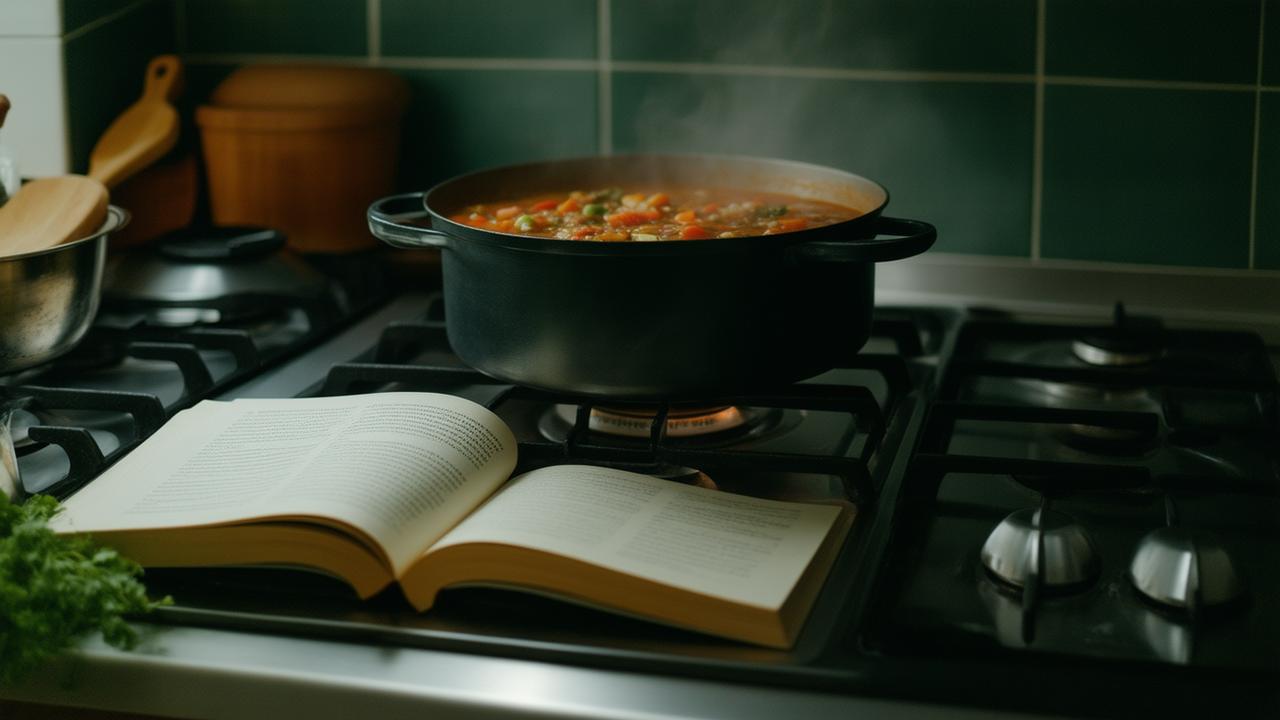
The first thing I do is turn off the noise. I flip my phone to airplane mode, face down on the counter, and let the world spin without me for a while. Outside the window, the evening is soft and blue. Inside, the kitchen light pools in warm gold on the wooden cutting board. There’s nothing dramatic waiting in the fridge—just a few vegetables, a block of Parmesan, a carton of stock, some butter, and rice. That’s all I need. Tonight, I’m making the simplest kind of ritual: a pot of warm, homemade risotto that asks for nothing more than time, patience, and my full attention. It’s my favorite way to unplug, slow down, and really, truly disconnect from the static of the day.
The Ritual of Slowing Down
Cooking this dinner always starts the same way: with a small act of defiance against hurry. No timers bark from my phone. No video plays instructions in the background. I move at the speed of my own breath.
On the stove, I set a saucepan of stock—vegetable or chicken, whatever I have—to a low, gentle simmer. The surface quivers, barely breaking into bubbles. That soft, persistent movement is like a quiet metronome for the evening. Next to it, I place my heavy-bottomed pot for the risotto. Just the weight of that pot in my hands is grounding; it feels sturdy, unhurried, like something that has seen a thousand slow dinners and is in no rush to get to the next one.
I chop an onion, small and even. The knife thuds lightly against the board. I can smell the faint bite of allium in the air as it releases its sharp, green-tinged fragrance. There’s no multitasking, no toggling between screens and tasks. It’s just me, my knife, and the quiet rhythm of the vegetables giving way under the blade. I don’t have to be efficient here. I just have to be present.
Building Comfort in a Single Pot
I melt a knob of butter in the pot and add a slick of olive oil to keep it from burning. The fat slides in a thin golden sheet across the bottom, shimmering in the light. When it’s ready, I tip in the onions, and the kitchen fills with the soft, hopeful sound of a gentle sizzle. The aroma changes quickly—raw sharpness turns sweet, mellow, and familiar. I stir with a wooden spoon, guiding the onions in lazy circles until they turn translucent, edges just catching a hint of gold.
Then comes the rice. Not the quick-cooking kind, not something rushed into submission, but plump, starchy arborio or carnaroli—grains bred to absorb slow attention. I pour it into the pot and listen to the quiet hiss as each grain meets the heat. It’s still dry at this stage, still finding its place. I stir to coat the kernels in butter and oil, letting them toast for a minute until they give off a faint, nutty scent. This moment is always a small threshold for me: I know that once I add the first ladle of warm stock, time will slow to the speed of the rice.
A splash of white wine—if I have some open—turns the bottom of the pot into a fragrant cloud. The acidity lifts everything, like a quick, bright inhale before a long exhale. I watch the steam curl up toward the ceiling, catching in the yellow light. The wine simmers away, leaving behind only a whisper of itself. And then, the real work begins: adding stock, one ladle at a time, and stirring as if there’s nothing else in the world that needs to be done.
The Gentle Practice of Stirring
This is the part that makes this dinner my go-to when I need to disconnect. Stirring risotto is a practice in staying. In a world that constantly tugs us from one thing to another, this dish insists that you stay right here. You can’t rush it. You can’t walk away and do seventeen other things. You add a ladle of hot stock, listen to the soft simmer, and you stir.
The spoon moves in slow arcs, scraping gently along the bottom of the pot to make sure nothing sticks. Each pass releases starch from the rice, turning the liquid cloudy, then creamy. Time begins to blur. Outside, maybe a car passes. Somewhere, a distant dog barks. But in the kitchen, everything is reduced to simple sensations: the warmth on my forearm from the stove, the soft resistance of the rice as it swells, the sound of the simmer—a quiet, reassuring murmur.
I taste along the way, not just for doneness, but to stay connected to the process. At first, the grains are chalky at their core, resisting the bite. Then, slowly, they soften, becoming more tender but never mushy. This is another thing I love about cooking this meal: it teaches me to read subtle change, to recognize the difference between almost and just right. There’s no instant notification for that. It’s a conversation between me and the food, between my senses and this pot that slowly, slowly transforms what I had into what I need.
Little Additions, Big Comfort
The base risotto is simple—stock, rice, onion, a bit of wine—but what I fold in at the end is usually guided by the mood of the evening and whatever the fridge quietly offers. Some nights it’s a handful of peas, tossed in at the last few minutes until they turn bright and sweet. Other nights, it’s torn kale or spinach, wilting into silky green ribbons from the heat of the rice. Sometimes, especially in the depths of winter, I’ll stir in roasted mushrooms, earthy and browned at the edges, their juices deepening the dish with a forest-like richness.
Then comes my favorite part: turning the risotto from good to deeply comforting with a final flourish. I remove the pot from the heat and add a generous handful of freshly grated Parmesan. The cheese falls like soft snow over the surface, instantly beginning to melt into the grains. A small knob of cold butter follows, disappearing under the gentle pressure of the spoon as I stir. This last step—called mantecatura in Italian—feels like tucking the rice into a warm, creamy blanket. The risotto thickens, turns glossy, and gathers into a slow wave when I tilt the pot.
The scent is buttery, savory, and somehow both humble and luxurious at once. If I have a lemon on hand, I zest a little over the top, the tiny yellow curls brightening everything with their spirited, citrusy perfume. A crack of black pepper, maybe a pinch of salt, and the dish settles into itself, ready for the table, ready for me.
| Ingredient | Approximate Amount | Role in the Dish |
|---|---|---|
| Arborio or carnaroli rice | 1 cup | The creamy, starchy base that carries all the flavor. |
| Onion or shallot | 1 small, finely chopped | Builds aromatic sweetness and depth at the start. |
| Butter & olive oil | 2–3 tbsp total | Adds richness, body, and a silky texture. |
| Warm stock (vegetable or chicken) | 3–4 cups | Slowly absorbed to create creaminess without cream. |
| Dry white wine (optional) | 1/3 cup | Adds brightness and balance to the richness. |
| Parmesan cheese | 1/2–3/4 cup, grated | Salty, nutty flavor and final creamy finish. |
| Seasonal add-ins (peas, greens, mushrooms) | 1–2 cups | Personalizes the dish and builds comfort and variety. |
Turning the Kitchen into a Quiet Refuge
By the time the risotto is ready, something inside me has shifted. The day might have started in a flurry of emails, notifications, and undone tasks, but here, in this little pocket of warmth, the pace is different. The kitchen has become a refuge, scented with butter and stock and the faint sweetness of cooked onion. The counters are dusted with tiny flecks of Parmesan and stray grains of rice. The spoon rests in the pot like a bookmark in a favorite chapter.
I scoop a ladleful into a shallow bowl. The risotto settles with a gentle sigh, spreading just enough to show that it’s the right consistency—loose, flowing, not stiff. Steam rises in pale curls, brushing my face with warmth as I bend to inhale the aroma. I might add a final scattering of herbs if there are any lingering in the fridge: parsley, thyme, chives. Or I might leave it bare, letting the simplicity stand on its own.
The first bite is always the same kind of relief. It’s creamy but not heavy, each grain distinct yet part of a whole, like a crowd humming in perfect unison. The cheese is salty and round, the butter lush, the vegetables adding pops of sweetness or earthiness. But beyond taste, there’s another flavor there too—the quiet satisfaction of having taken the time to make something slowly, without rushing, without distraction. It’s the flavor of time reclaimed.
Unplugging in a World That Never Pauses
We live in a world that rarely gives us permission to pause. Meals are often something to squeeze between commitments, a background activity to scrolling or streaming or planning what’s next. That’s why this warm, homemade dinner has become my anchor. It is intentionally, almost stubbornly, slow. It doesn’t ask for advanced skills or fancy equipment. It just asks for attention.
When I cook this meal, I’m not trying to impress anyone. I’m not cooking for social media or chasing some perfect photo of a perfect plate. In fact, the best nights are the ones where I don’t document it at all. The rice doesn’t need an audience. It needs stirring.
Disconnecting, I’ve learned, isn’t always a dramatic retreat or a weekend away. Sometimes, it’s a single hour in your kitchen with your phone out of reach, your hands busy, your mind softened by the slow repetition of a simple act. It’s deciding, just for a little while, that being with your food, your thoughts, your breath is enough. That you are allowed to move more slowly than the world around you.
So this risotto—this humble bowl of warm, homemade dinner—is more than a recipe to me. It’s a doorway. On the other side of it is a quieter version of myself, one who remembers that presence is a skill, and that comfort can be hand-built with a wooden spoon and a heavy pot. Each time I stand by the stove, adding stock one ladle at a time, I practice the art of letting go of what doesn’t matter, and leaning into what does.
➡️ It’s official and it’s good news: from February 12, gas stations must display this new mandatory information at the pump
➡️ Many people don’t realize it, but cauliflower, broccoli and cabbage are all different varieties of the very same plant
➡️ Marine authorities issue warnings as orca groups increasingly, according to reports, show aggressive behaviour toward passing vessels
➡️ It’s official, and it’s good news: from February 12, gas stations will have to display this new mandatory information at the pump
➡️ Major breakthroughs in diabetes care are marking a medical turning point that could soon make many of today’s treatments obsolete
➡️ I only learned this at 60: the surprising truth about the difference between white and brown eggs that most people never hear about
➡️ Moist and tender: the yogurt cake recipe, reinvented by a famous French chef
Carrying the Warmth Beyond the Bowl
When the bowl is empty, I sit for a moment longer at the table, feeling the warmth lingering in my chest and belly. The world outside is still busy, still buzzing, still pulling in a hundred directions—but I’m different now. I’ve stepped off the conveyor belt, even if only for the length of a meal. That small act changes the shape of the evening.
I rinse the pot, feeling the last traces of starch slip away under warm water, and stack the dishes to dry. The kitchen cools and quiets. I resist the urge to immediately wake my phone back up. Instead, I notice how the house sounds when there’s no screen speaking into it: the hum of the refrigerator, the sigh of heating pipes, the subtle creak of old wood adjusting to the night. It’s not silence, exactly, but it’s a softer kind of soundscape—one that doesn’t demand anything from me.
The ritual doesn’t end at the sink; it follows me into the rest of the evening. Maybe I’ll read a chapter of a book instead of scrolling. Maybe I’ll step outside for a moment, feeling the cool air on my face, and look up to see what the sky is doing. Maybe I’ll do absolutely nothing at all and call that enough. The risotto doesn’t solve my problems or erase the to-do list, but it reminds me that I can choose how I move through it all. Slowly. Intentionally. With a spoon in one hand and my full attention in the other.
Next time the day feels tangled and loud, and the world seems to be asking you to move faster than your heart can comfortably go, you might try this: turn off the noise, light the stove, and pour a cup of rice into a waiting pot. Listen to the first soft hiss as it meets the heat. Then keep showing up, one gentle stir at a time, until the kitchen fills with the kind of warmth you can taste.
Frequently Asked Questions
Why is this dinner especially good for unplugging?
Because it’s process-driven rather than gadget-driven. Risotto (or any slow, one-pot meal like it) requires you to stay nearby, stir often, and rely on your senses. That built-in attention naturally pulls you away from screens and back into your body and surroundings.
Do I have to use arborio rice, or can I substitute another grain?
Arborio and carnaroli rice are traditional because they’re high in starch, which creates the signature creaminess. You can use other short-grain rice or even barley or farro, but the texture will be different—still delicious, just less classic risotto and more a cozy grain stew.
Can I make this dinner without wine?
Yes. Simply skip the wine and start adding warm stock after toasting the rice. If you want a bit of brightness, you can finish with a small squeeze of lemon juice instead.
How do I know when the risotto is done?
The rice should be tender with a slight bite at the center—what Italians call “al dente.” The consistency should be creamy and loose enough that it gently spreads when spooned into a bowl, not stiff or dry.
What if I don’t have Parmesan or special cheese on hand?
You can use any hard, flavorful cheese you have—pecorino, aged cheddar, or even a mix of odds and ends. If you truly have no cheese, a bit of extra butter, salt, and a squeeze of lemon can still make a beautifully comforting bowl.
Can I reheat leftovers and still enjoy the same comfort?
Yes, though the texture changes slightly. Reheat gently in a pan with a splash of stock or water, stirring until it loosens and warms through. It won’t be identical to the first serving, but it will still be creamy, cozy, and grounding.
How can I make this ritual my own if I don’t like risotto?
Choose any simple, hands-on recipe that rewards slowness: a simmering soup, a long-stirred polenta, a slow braise, or even hand-kneaded bread. The key is the same—minimal distraction, repetitive movement, and enough time to let your mind unspool while your hands create something warm and nourishing.





