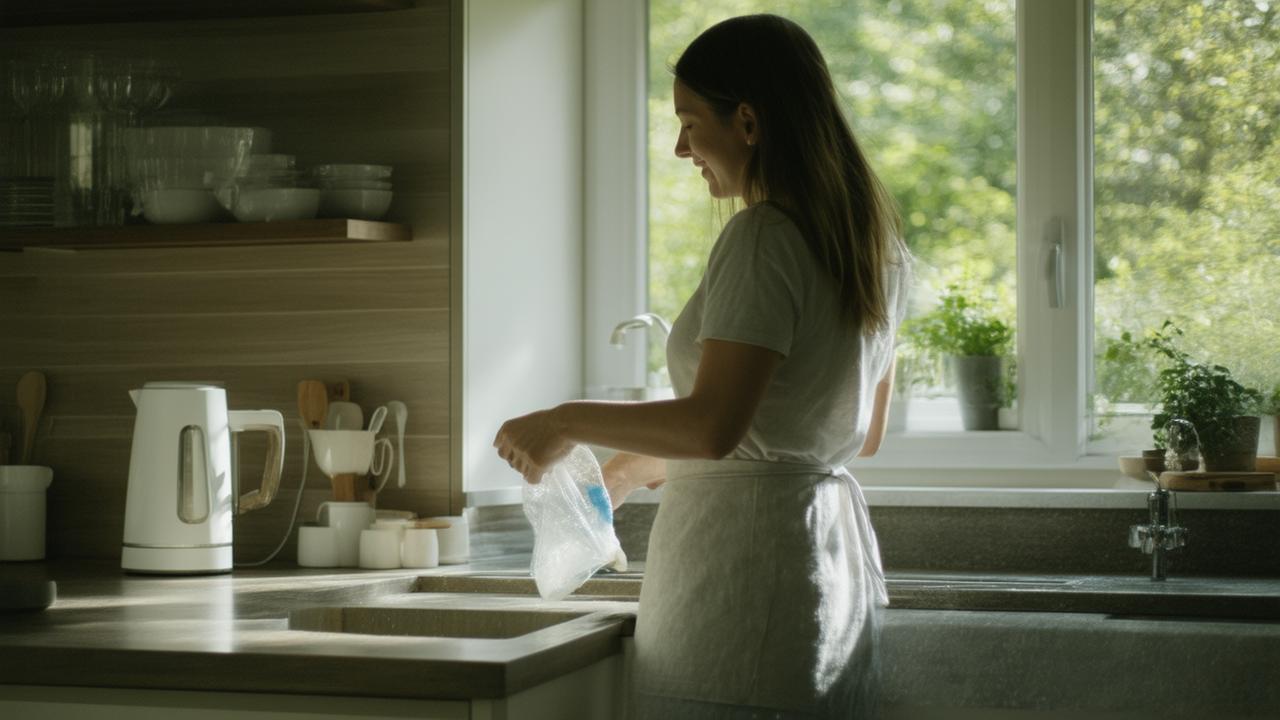
The timer on my phone used to sit beside the sponge like it was part of the cleaning supplies. I’d tap it with a little flare of determination—fifteen minutes, twenty, thirty—and launch myself into a frenzy of wiping, scrubbing, hauling, tossing. I would race the digital countdown like a contestant on some invisible game show, convinced that this was what efficiency looked like, what “being on top of things” felt like. Yet, as the beeps rang out and I dropped, breathless, onto the couch, the house somehow still felt slightly disheveled, like I’d only ever brushed its surface. One day, without meaning to, I forgot to set the timer. That small act of omission, so trivial at the time, ended up quietly transforming the way my home feels—and the way I live inside it.
The Tyranny of the Timer
For years, the timer was my little badge of discipline. It made cleaning feel bite-sized and, in theory, less overwhelming. I’d seen all the productivity tips: “Set a timer for ten minutes and just start.” And it worked, in a way. It did get me moving. Only, there was a catch I was slow to notice.
With the countdown ticking away, every second of cleaning became a negotiation. My brain would split into two channels: one tallying tasks, the other tallying seconds. Wipe the counter—how long did that take? Start the dishes—can I finish before the timer screams? Dust the bookshelves—no, that’s too time-consuming, skip it for something quicker. My attention narrowed to what I could win at in the short term, not what would truly support my home in the long run.
The house reflected that fractured attention. Surfaces sparkled in some corners while others quietly gathered their own tiny ecosystems of dust and clutter. Closets turned into sedimentary rock formations of “deal with later” piles. Drawers became the secret graveyard of things I didn’t want to think about. The timer had made me fast, yes, but it had also made me shallow. I was cleaning to beat the clock, not to actually live more peacefully in my space.
The Day I Forgot to Press Start
The shift happened on an ordinary afternoon, the sort of gray, in-between day that smells faintly of rain even when the sky can’t quite make up its mind. I remember the soft light in the kitchen, the radio humming something slow, the half-empty mug of tea on the counter slowly cooling beside a small chaos of crumbs and sticky spoon rings.
I picked up the sponge out of habit and reached for my phone with the other hand, thumb already sliding muscle-memory toward the timer app. But there was a text, a notification, a tiny distraction—and instead of pressing “Start,” I just started washing. The absence of the beeping countdown barely registered at first. I wiped the counter. I rinsed the sink. I stacked a few plates. The soundscape was quiet—just the running water, the clink of ceramic, the neighbor’s dog occasionally puncturing the air with a bark.
Without the timer, there was no imaginary audience, no score to settle. My movements slowed, then softened. When I noticed the sticky spot beneath the toaster that normally would have been ignored as “too detailed for a quick clean,” I slid the toaster aside. I wiped with slow, small circles until the surface shone. Out of nowhere, it felt…gentler. Less like a sprint, more like a conversation with the room.
I didn’t realize I had crossed my usual time limit until the tea had gone cold. The lack of a hard stop gave me permission to linger—not to do more, necessarily, but to do better.
Turning Chores into Quiet Rituals
In the days that followed, I began to experiment: cleaning without the invisible referee of the timer. At first it felt reckless, like I’d abandoned a rule everyone else seemed to follow. But something subtle unfolded in its place—a sense of ritual.
Now, when I clean the kitchen at night, it has a rhythm. The click of the light switch. The faint lemon scent rising from the dish soap. The whoosh and creak of the cupboard door as I tuck the glasses back into their place. The slap and smooth glide of the cloth across the table, catching stray grains of salt. The quiet hum of the refrigerator becomes a kind of baseline, steady and unbothered—a reminder that not everything is urgent.
In the living room, putting things away became less of a desperate tidy and more like resetting a scene at the end of a play. I fold the throw blanket over the back of the couch, smoothing out the creases with the flat of my palm. I fluff the cushions and feel the resistance of the fabric pressing back. I gather the stray book, the sweater slung over a chair, the cup abandoned on a side table. Each object returns home. The room exhales.
This wasn’t productivity as I used to define it. It was slower, more rooted, and surprisingly more thorough. Tasks that used to feel like a panicked scramble against a clock started to feel almost meditative. Instead of wondering, “How quickly can I get this done?” I found myself asking, “What would make this space feel good to be in?” The difference was enormous.
Why My House Suddenly Felt Easier to Maintain
Letting go of timed cleaning didn’t mean I started spending hours polishing baseboards or alphabetizing the pantry. It simply shifted the focus from finishing fast to finishing well. And that, it turns out, is what makes a home easier to keep up with.
When you’re not racing, you notice more. You catch the crumbs before they become colonies. You rinse the mug before it becomes a science experiment. You fold the clean laundry the same day, instead of letting it go limp and wrinkled in a basket for a week. These tiny, almost invisible acts compound over time in ways that a hurried, once-in-a-while sprint never could.
The house doesn’t get the chance to swing wildly between “disaster” and “emergency deep clean.” It hovers in this gentler space of “mostly fine, with a few things to tweak.” That in-between, almost-boring level of tidiness is, ironically, what makes the place feel stable and welcoming.
Here’s what changed for me once I stopped timing my cleaning and started paying attention instead:
| Before (Timed Cleaning) | After (Untimed, Intentional Cleaning) |
|---|---|
| Raced the clock, felt rushed and scattered | Worked at a calm pace, felt present in each task |
| Focused on quick wins and surface tidying only | Naturally noticed and handled deeper, small details |
| Frequent big messes that needed “marathon” cleans | Steady maintenance with fewer overwhelming days |
| Cleaning felt like a chore that interrupted life | Cleaning became small rituals woven into daily life |
| Attachment to “productivity hacks” and guilt when they failed | Trust in my own rhythm, less guilt and pressure |
The house didn’t suddenly become designer-perfect. There are still shoes by the door, a stack of mail waiting for a decision, a corner where dust gathers like it owns the place. But the general feel of home shifted from “I’m always behind” to “I know how to care for this.” That sense of quiet competence is a form of ease all its own.
Letting the House Talk Back
Without the timer, my home and I began to have a different kind of conversation. Instead of me barking orders at myself—Do the floors in ten minutes, go!—I began to listen. Rooms tell stories if you let them. The entryway with its small scattering of gravel and leaves at the door says, “People live here. They come and go. Sweep me when you can.” The bathroom with the faint ring in the sink whispers, “It’s almost time. A quick wipe will keep things from getting out of hand.”
There is a slowness to noticing that doesn’t fit well inside a countdown. The way sunlight shows up every streak on the window for just fifteen bright minutes a day. The way the smell of the trash changes right before it starts to really smell, giving a soft, early warning. The faint drag of your bare foot across crumbs that fell during last night’s snack. These are gentle nudges that say, “Take care of this now and you’ll save yourself trouble later.”
Timed cleaning made me treat these signals like background noise, something to power through or mute. Untimed cleaning turned them into guideposts. Instead of asking, “What can I fit into fifteen minutes?” I began to ask, “What is this space asking from me today?” Often, the answer was much smaller than a timed session—and oddly, more satisfying.
Redefining “Done Enough”
One of the quiet freedoms that arrived when I put away the timer was the ability to decide, on my own terms, when something felt “done enough.” Not when the timer said stop. Not when some imaginary cleaning standard had been met. Just when the room and my body both agreed: this is good for today.
Sometimes that meant wiping all the kitchen cabinets because I had the energy and noticed the fingerprints smiling back at me. Other days, it meant simply stacking the dishes neatly and promising tomorrow’s version of me that she’d handle them—and trusting that she actually would. Letting go of the race didn’t magically cure procrastination, but it did strip away the unnecessary drama from simple decisions.
➡️ Light fast apple cake made with oil and yogurt for effortless desserts
➡️ Known as the most fertile soil on Earth, the “black gold of agriculture” has chernozem layers up to 1 meter deep and turned Ukraine, Russia and Kazakhstan into one of the world’s biggest breadbaskets and strategic assets
➡️ I learned it at 60: few people actually know the difference between white and brown eggs
➡️ Hygiene after 65 : not once a day, not once a week, here’s the shower frequency that keeps you thriving
➡️ Many people don’t realize it, but sweet potatoes and regular potatoes are not closely related at all, and science explains why
➡️ How to make hardwood floors shine brilliantly using one unexpected pantry item that homeowners swear by
➡️ If you grew up in the 1960s or 1970s, you were likely taught life lessons that have quietly disappeared from modern education
“Done enough” turned into a soft, shifting line instead of a rigid bar I was always failing to reach. It accounted for how much sleep I got. For whether work had wrung me out. For whether grief or worry had curled up in my chest that week and taken up space. In those seasons, “done enough” might be wiping the bathroom sink and calling it a success, leaving the rest for gentler days. And strangely, accepting that fluctuation made the house feel more held, not less.
From Stopwatch to Seasons
Our homes, like everything else in our lives, move through seasons. There are weeks when you’ll feel a restless energy and finally sort the closet, the junk drawer, that mysterious box in the corner that’s been winking at you for months. There are also weeks when simply keeping the dishes rinsed and the trash taken out is heroic.
Timers don’t care about seasons. They reduce every moment to a uniform unit of measurement: seconds, minutes, pass or fail. When I stopped timing my cleaning, I started measuring my home in a different way—through texture, mood, and feel. Does the air feel heavy or light when I walk into the bedroom? Do my shoulders drop a little when I sit on the couch, or do they tense, scanning for things out of place? Does the table invite me to put down a notebook and write, or is it buried in so many papers that I can’t even think?
These aren’t questions a stopwatch can answer. They require breathing room, a bit of curiosity. They ask you to live with your home, not just manage it. And surprisingly, tending to those quieter signals results in a house that doesn’t fall apart the second you look away. The maintenance becomes woven into living, not something you bolt on in weaponized fifteen-minute bursts.
Living Inside a Home, Not a Task List
My house is not a self-improvement project. It’s not a test of my worthiness, or a scoreboard for how productive I’ve been. It’s the place where I kick off my shoes and pad across the floor in the half-dark, where the kettle sings in the morning, where books pile up on the nightstand like friendly little towers. When I stopped timing my cleaning sessions, I unknowingly called a truce with the part of me that thought home was something to conquer.
Now, I move through my cleaning like a series of small acts of noticing. A sock under the table. A streak on the mirror catching the afternoon light. The plant leaves coated with a dull, soft dust that dulls their green. I fix what I can in the moment, leave what I can’t without making it mean something terrible about myself, and trust that I will return. So far, I always do.
And the house—imperfect, a little lived-in, never fully “done”—meets me halfway. It feels easier to maintain not because I’m working harder or longer, but because I’m finally working with it instead of against the clock.
Sometimes, the most radical thing you can do for your home is this: put the timer away, pick up the sponge, and listen.
Frequently Asked Questions
Doesn’t cleaning without a timer take more time?
Not necessarily. You might spend a little longer on individual tasks at first, but over time, regular, mindful maintenance prevents big, time-consuming messes. The net effect is often the same—or less—time overall, with far less stress.
What if I struggle with motivation to start cleaning?
You can still use gentle cues without strict timing. Try pairing cleaning with something enjoyable: put on a favorite album, open a window for fresh air, or light a candle. Focus on beginning with one small area, like clearing a single surface, instead of planning a full session against the clock.
Can I mix timed and untimed cleaning?
Yes. You might use a timer for specific situations—like a quick tidy before guests arrive—while keeping most daily maintenance untimed. The key is letting the timer be a tool, not a rule.
How do I know when a room is “done enough” for the day?
Stand in the doorway and notice how it feels. Ask yourself: “Can I relax in here?” If most surfaces are clear, trash is contained, and nothing urgent is calling for attention, it’s likely done enough—even if it isn’t perfect.
What if I live with others who make messes faster than I can clean?
Focus on what you can calmly maintain and involve others where possible—simple shared routines, like everyone clearing their own dishes or doing a five-minute reset before bed. Untimed cleaning can help shift the energy from blame and urgency to cooperation and gentle consistency.





