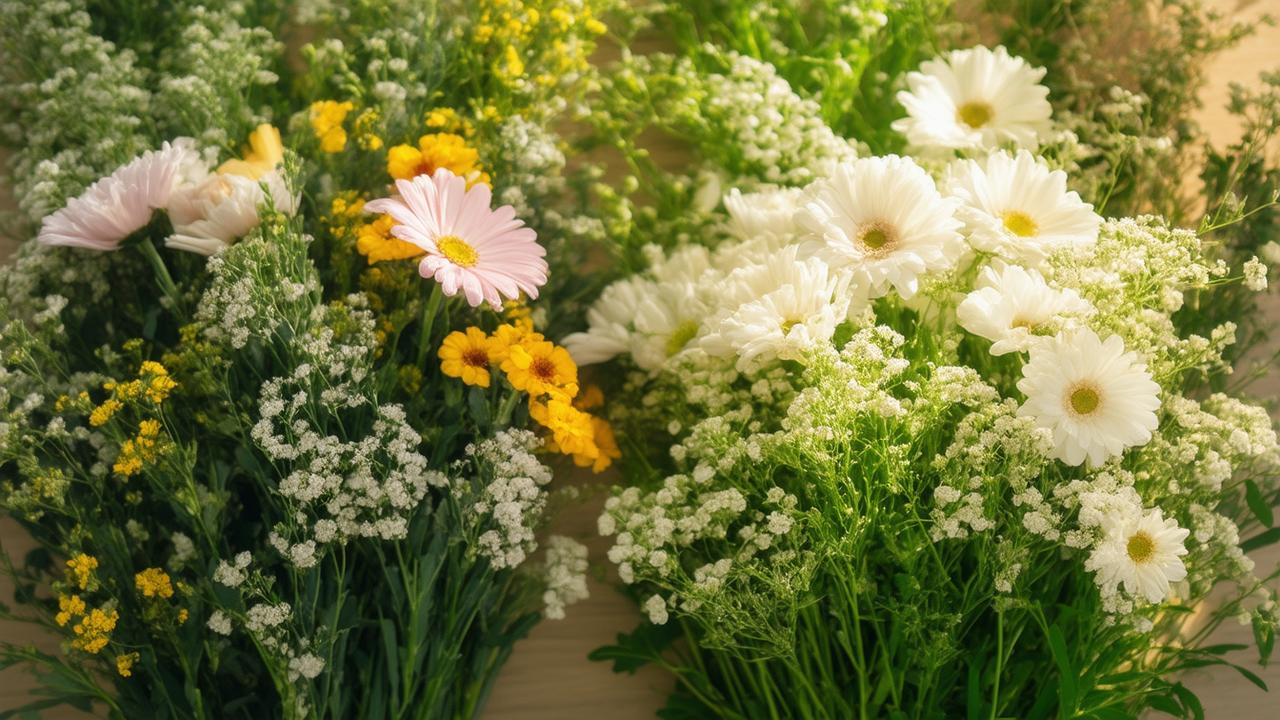
The petals fell in slow motion, like a quiet confession. Yesterday your vase was a riot of color, tulips standing tall, roses unfolding with impossible softness, the whole room humming with their presence. Today, stems bend as if exhausted, edges crisp brown overnight, the water already cloudy. You replay what you did: fresh cut, clean vase, packet of flower food, a gentle place on the table. And still, your flowers surrendered too quickly, as though you’d done something wrong. But what if the culprit wasn’t you at all—what if it was something invisible, drifting through your home: temperature?
The Silent Saboteur in Your Living Room
Walk into any room in your home and you can feel its mood. The kitchen hums with leftover warmth from the stove, the hallway is a little cool and indifferent, the sunny windowsill feels like a pleasant caress on your skin. Your flowers feel all of this too—except their comfort zone is far narrower than yours.
Most cut flowers are happiest in what would feel like a gentle, early spring morning to a human: around 18–22°C (65–72°F). Light sweater weather. Anything far above or below that, and their internal systems begin to scramble. You don’t see it right away, but they do. Too warm, and they race through life. Too cold, and their cells seize up like tiny, frozen lungs.
Imagine a bouquet set proudly on a dining table under a skylight. Midday sun pours through the glass, turning the glass vase into a small, transparent oven. The water warms. Bacteria wake up and multiply faster. The stems soften, then slump. By evening, petals that were taut and bright start to curl, as if they’ve lived a whole week in a day. The next morning, you find them tired before their time, and it feels unfair.
Or picture your winter routine: flowers on a side table, right beneath the only window in the room. Outside, wind hammers the glass. A thin trickle of cold air slips in across your bouquet all night long. The room might still feel comfortable to you, but at the surface of those petals, it’s chilled enough to burn. Tulips droop, gerberas tilt their bright faces downward, roses keep their buds clenched tightly shut and never properly open. It’s not neglect; it’s temperature stress.
The Strange Ways Flowers Tell You “I’m Too Hot”
Flowers are gentle drama queens. They may not speak, but they are very clear when something is wrong with their environment—you just have to learn their language. Heat, especially sudden heat, is one of the harshest dialects.
When cut flowers get too warm, their whole metabolism surges into fast-forward. The same internal chemistry that drives a rosebud to unfurl over several days speeds up as if someone hit a time-lapse button. They drink more water, burn more stored sugars, breathe harder—yes, flowers “breathe,” trading gases with the air in a delicate rhythm. All of this converts their slow, graceful blooming into a sprint.
You’ll notice signs:
- Petals that seem to age overnight, going from fresh to papery.
- Colors that look just a shade duller, as if dusted with fatigue.
- Edges crisping or turning translucent, like thin tissue left in the sun.
- Stems softening where they meet the water, sometimes bending at an awkward angle.
And then there’s ethylene, the invisible gas of ripening and aging, released by fruits and even by some cut flowers themselves. In a warm room, ethylene works faster, coaxing petals to drop, buds to loosen, and age to accelerate. A bowl of ripening bananas on the counter, a bouquet of lilies on a nearby shelf, an overheated room with the windows closed—that combination can turn your arrangement into a brief, blazing flare of beauty followed by an abrupt decline.
So when your bouquet seems to “burn out” in two or three days, don’t just blame the flowers or the florist. Look around. Is there a vent above? A radiator nearby? A shaft of direct sun at midday? Those quiet heat sources might be the real reason your petals let go too soon.
When Cold Bites: The Hidden Frost Indoors
The opposite problem whispers in, less obvious but just as ruthless: cold. You might think cooler is always better for flowers, and in many ways, that’s true. Florists use cool rooms, after all. But there is a difference between cool and cold, between a gentle chill and a nightly shock.
Flowers growing outdoors adapt to gradual shifts in the season. Cut flowers indoors, though, are suddenly cut off from their roots and stored energy. They no longer have the full resilience of a plant in soil. A chilly draft under a door, a frosty window ledge, or a vase placed on a stone windowsill above an uninsulated wall can feel, to them, like standing barefoot on ice.
Cold stress usually shows itself in quieter, slower ways than heat stress. Buds may refuse to open fully, staying small and tight when you long for a full bloom. Petals may become slightly translucent or water-soaked, especially along the edges, then brown as the damaged cells collapse. Some flowers, like tropical orchids or anthuriums, can look as though they’ve been bruised by invisible fingers—dark, flat patches that never go away.
Drafts are particular villains here. A window that leaks air, a door that opens to the outside every few minutes, or a fan that accidentally channels cold air straight at your arrangement: all of these can drop the temperature right around your bouquet even in an otherwise warm room. You might be comfortable on the other side of the space, but at flower height, the climate is entirely different.
Even the journey home can be a shock. On a bitter winter afternoon, walking from the shop to the car with a paper-wrapped bouquet exposed to the air, then into a heated car, then back into the cold and finally into a warm house: that repeated seesaw can be enough to damage the most delicate blooms before you ever place them in water.
Reading the Room Like a Florist
To keep your blooms from fading too quickly, you don’t need a greenhouse or a florist’s cold room. You just need to see your home a little differently—through the quiet sensitivity of your flowers.
Try this little exercise: stand where you want to place your bouquet and simply wait. Feel the air. Is there a stream of warm air rising from a vent? A faint chill sneaking in from a window frame? At midday, does a bright square of sun move slowly across that exact spot? The answers will tell you more about your flowers’ future than any packet of plant food ever will.
A small, stable, lived-in corner often suits flowers better than the showy, dramatic places we instinctively choose. They don’t care about being the room’s visual centerpiece; they care about not being roasted, chilled, or blown on.
Below is a simple guide to help you match common flowers to their comfort zones at home:
| Flower Type | Ideal Indoor Temp | Very Sensitive To | Best Spot in the House |
|---|---|---|---|
| Roses | 18–22°C (65–72°F) | Direct sun, hot radiators | Bright room, away from windows and vents |
| Tulips | 15–20°C (59–68°F) | Warm rooms, fluctuating temps | Cooler hallway or shaded corner |
| Lilies | 18–21°C (65–70°F) | Heat, ethylene from fruit | Well-lit room, far from kitchen fruit bowls |
| Gerberas | 16–20°C (61–68°F) | Drafts, very cold windows | Interior table, no direct drafts |
| Orchids (cut) | 18–24°C (65–75°F) | Cold shocks, AC blasts | Consistently warm room, stable air |
Think of temperature as the quiet background music in the room. You might tune it out, but your flowers never do. They are always listening.
Small Rituals That Make Flowers Last
Once you’ve chosen the right spot, the rest becomes a gentle ritual—a way of caring that feels almost like listening. Many of the classic tips for keeping flowers fresh tie back, in one way or another, to temperature.
Before you arrange your bouquet, let the flowers rest a little after coming in from outside—especially in winter or high summer. Just leave them in their wrapping in a cool, shaded part of the room for half an hour. It’s a small kindness, letting their tissues adjust instead of slamming from one extreme to another.
When you trim the stems, use clean, sharp scissors or a knife and cut at an angle. This exposes more surface area for drinking and prevents stems from sitting flat on the base of the vase like a plugged straw. Immediately plunge them into cool—not icy—water, the way you might drink a glass of water that’s been standing in the shade, not pulled straight from the freezer.
➡️ Many people don’t realize it, but sweet potatoes and regular potatoes are not closely related at all, and science explains why
➡️ How to make hardwood floors shine brilliantly using one unexpected pantry item that homeowners swear by
➡️ If you grew up in the 1960s or 1970s, you were likely taught life lessons that have quietly disappeared from modern education
➡️ If the ATM keeps your bank card this fast little technique instantly retrieves it before help arrives
➡️ Legendary rock band retires after 50 years « the hit everyone knows »
➡️ This creamy chicken pot pie filling is so good I’ve started making it on its own, without the crust
➡️ This warm, homemade dinner is my go-to recipe when I want to unplug, slow down, and truly disconnect
Change the water every day or two. Each time, feel it with your fingers: aim for that gentle, neutral coolness, neither freshly hot from the tap nor startlingly cold from the depths of the pipes. A subtle, steady cool is like a slow, deep breath for your flowers.
At night, if you’re willing to indulge them, move your vase to the coolest comfortable room in the house—perhaps a north-facing bedroom or a calm hallway. It’s the bouquet version of slipping into a quieter place to rest. Just avoid anywhere that dips toward actual chill: no cold porches, unheated garages, or window ledges that turn frosty at 3 a.m.
The Nighttime Reset
This nightly migration can stretch your flowers’ lives by days. In nature, plants breathe a little easier at night when the sun sets and temperatures fall. Indoors, you can mimic that rhythm—daytime in the bright but stable living room, nighttime in a cool, shaded retreat. The change doesn’t need to be dramatic; it just needs to be gentler than the outside world’s harsh swings.
Listening With Your Fingertips
If you’re never sure whether a spot is right, rely on touch. Place your hand on the table where you’d set the vase. Does the surface feel warm from a hidden pipe or radiator? Cool and slightly damp, as if the wall behind it breathes in the night air? Put your hand near the window—can you feel a faint river of cold or hot air sliding down the glass? Where your skin feels the slightest discomfort, your flowers feel real stress.
When Fast-Fading Flowers Aren’t Your Fault
Of course, temperature isn’t the only reason flowers fade fast. Some varieties are fleeting by nature, lasting only a few days even under perfect conditions. Some flowers are already well along in their journey by the time they reach your table, having traveled through trucks, storage rooms, and displays. But temperature is the quiet thread that runs through all of it.
Long before you bring them home, flowers are managed like perishable treasure. They’re cooled quickly after harvesting, transported in refrigerated trucks, and stored in controlled rooms. A single break in that chain—a pallet left in the sun, a box forgotten by a drafty door—can shorten their potential. By the time they reach you, they may already be carrying invisible stress, like a traveler who’s crossed too many time zones without sleep.
This is why two identical-looking bouquets can live completely different lives on your table. One, cozy in a stable, cool room, lingers on your shelf for a week, maybe more. The other, placed where hot air rises from a vent or cold slides down a pane of glass, burns out in three days. The difference isn’t your skill; it’s the weather your home makes for them.
If your flowers fade quickly, it is often temperature stress standing behind you, uninvited but persistent. Not a lack of love, not clumsy care—just microclimates you didn’t know you had.
Next time you carry a bouquet through your front door, pause for a moment. Feel the room. Notice where the air moves, where the warmth pools, where the chill creeps. Find that quiet pocket of gentle, unwavering comfort—the place where you, too, could stand for a long time without shivering or sweating. That is where your flowers will tell their story the longest.
Frequently Asked Questions
Why do my flowers wilt the day after I bring them home?
Rapid wilting is often caused by temperature stress: flowers placed in direct sun, near heaters, air conditioners, or cold drafts age quickly. Warmth speeds up their metabolism and water loss, while cold damages their cells. Bacteria in warm, stagnant water can make it worse. Keep them in a cool, stable spot and refresh the water regularly.
Is the fridge a good place to store my bouquet overnight?
Most household fridges are too cold and often contain fruit that releases ethylene gas, which ages flowers. Unless you can control the temperature and keep them away from food, it’s safer to place them in a naturally cool room instead of in the refrigerator.
Can direct sunlight really harm cut flowers indoors?
Yes. Through glass, sunlight can quickly heat water in the vase and the air around the petals, even on a cool day. This accelerates aging, promotes bacteria growth in the water, and can cause petals to scorch or dry out along the edges.
How can I tell if my flowers are suffering from cold rather than heat?
Cold-stressed flowers often have buds that don’t open fully, petals that look water-soaked or translucent before browning, and occasional dark, bruised-looking patches. Heat-stressed flowers usually age faster overall, with drooping stems, crisp edges, and duller colors.
What’s the simplest thing I can do to make my flowers last longer?
Place them in a cool, draft-free, and sun-free spot, and change the water every day or two using cool (not icy) water. Avoid radiators, vents, windows with strong sun, and bowls of ripening fruit. That single shift in location, away from temperature extremes, often adds several days to their life.





