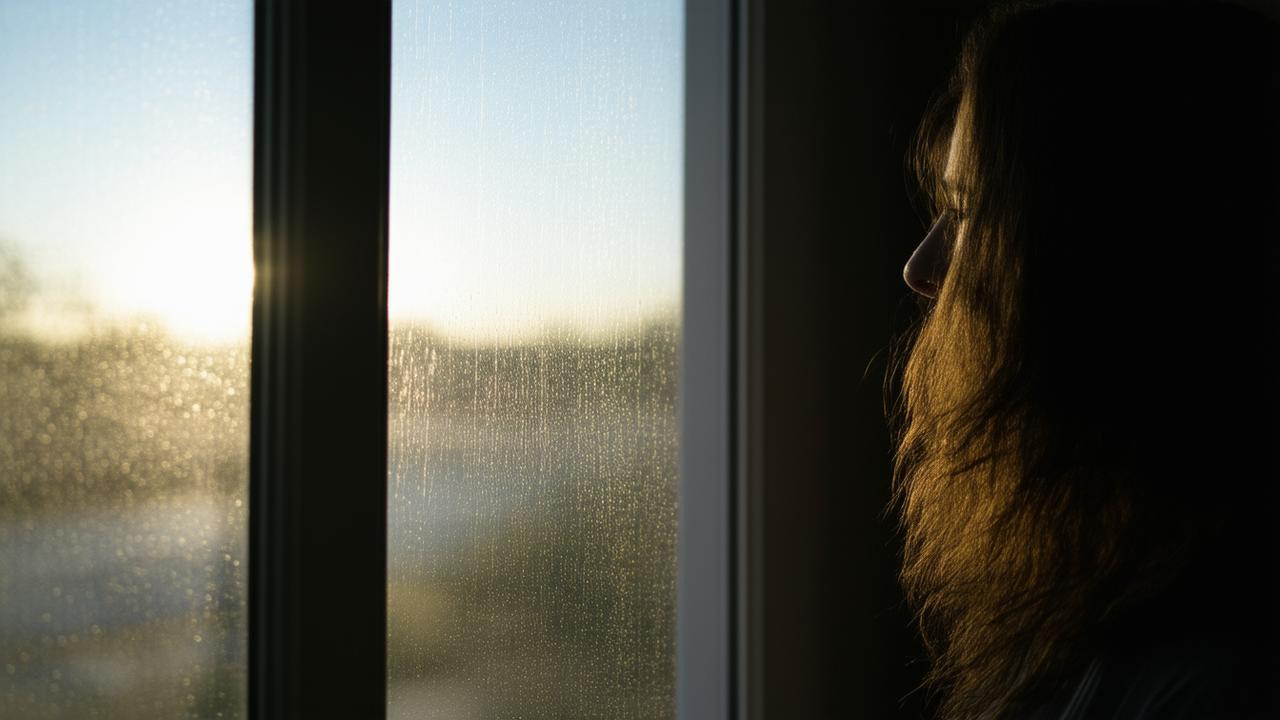
The sun had just slipped around the corner of the house when I saw it: a long, ghostly streak running down the living room window. In the low afternoon light, every smudge, fingerprint, and dried raindrop suddenly flared into view like a crime scene under a blacklight. I’d cleaned that glass yesterday—or at least I thought I had. Yet here it was again: hazy, patchy, and unmistakably streaky. If glass has a way of telling on us, this pane was writing a full confession.
The Quiet Drama of a Dirty Pane
You might not notice it in the rush of the morning. A quick swipe with a paper towel, a spritz of blue cleaner, and you’re out the door. But glass remembers. It remembers the dog’s nose pressed up against the patio door in wet-weather excitement, the mist of cooking oil that drifted lazily from a sizzling pan, the fine dust settling like invisible snow on mirrors and windowsills.
Then comes that one moment of angled light—late afternoon sun, a lamp catching just right, or the glow of a streetlight outside—and the streaks wake up. They glow. They sneer. They show you everything you missed.
There’s something oddly intimate about cleaning glass. It’s not like scrubbing a floor or wiping down a countertop. Glass is a test. It doesn’t just ask, “Did you clean me?” It asks, “Did you clean me well?” And the answer reveals itself immediately, in the very next slant of light.
Somewhere between that accusatory living room window and a bathroom mirror that had given up all pretense of clarity, I decided to solve it properly. No more half-hearted smearing, no more paper-towel lint, no more glamorous streaks catching the sunrise. I wanted a method—a simple, reliable, repeatable way to clean glass so clear that it practically disappeared.
The Real Reason Glass Gets Streaky
Most streaks aren’t there because you did nothing; they’re there because you did almost everything right. It’s the final step—or the tiny unnoticed detail—that betrays you.
There are three main villains in the streak story:
- Residue from cleaners – Many commercial sprays contain soaps, fragrances, or waxes that leave a film behind on glass.
- Dirty or linty cloths – That “reusable” kitchen rag or cheap paper towel usually just pushes grime around and sheds fibers.
- Hard water and minerals – Tap water often contains dissolved minerals that stay behind as faint, cloudy lines when the water dries.
The good news is that none of these are permanent problems. Once you understand what the glass is complaining about, you can give it exactly what it wants: a clean surface, a simple solution, and a tool that doesn’t fight against you.
The Simple Formula That Actually Works
At the heart of streak-free glass is a combination that feels almost too humble to be real: water, a touch of vinegar or gentle soap (sometimes both, sometimes one), and the right cloth. Not a fancy, perfumed spray. Not a mystery “shine booster.” Just ingredients that clean and then get out of the way.
Imagine a window that doesn’t glare back at you, a mirror that reflects your face as if the glass isn’t even there, or a glass tabletop that catches the light like still water. That’s what happens when nothing is left on the surface—not dust, not oil, not residue, not fibers. Just glass.
The Step-by-Step Ritual of Streak-Free Cleaning
Think of cleaning glass less like a chore and more like a quiet ritual. It’s you, the pane, and the light. Each step matters, but none of them are complicated.
1. Start Dry: Dust Before You Spray
Before you even think about liquids, feel the surface with your eyes. Can you see dust, pollen, pet hair, or cobwebs catching on the frame? Run a dry microfiber cloth or soft duster over the glass. This does two things: it removes loose particles that would otherwise smear, and it prevents tiny grit from dragging across the surface like sandpaper.
This dry step is the most skipped—and the most powerful. The glass is already quieter, calmer. You haven’t cleaned it yet, but you’ve taken away the clutter that makes cleaning harder.
2. Mix a Gentle, Effective Solution
You don’t need a laboratory. You probably already own everything you need.
- For most windows and mirrors: Mix equal parts distilled water and white vinegar.
- For very greasy or grimy glass (like kitchen glass): Add a single drop of mild dish soap to a spray bottle of water and vinegar.
- If you dislike the smell of vinegar: Use distilled water with a drop or two of dish soap only.
Distilled water matters more than most people think. It dries cleaner than tap water because it doesn’t leave mineral traces behind. The vinegar cuts through film and fingerprints; the soap loosens oily residue. Together, they do the work, then vanish.
3. Choose Your Cloth Like It Matters (Because It Does)
If there is a hero in this story, it’s the humble microfiber cloth. Not the fluffy bath-towel kind, but the smooth, glass-specific kind with tightly woven fibers. It feels almost like silk under your fingers—no fuzz, no loops, no drama.
Here’s why microfiber works so well:
- It grabs dust instead of flinging it around.
- It doesn’t shed lint across shiny surfaces.
- It can polish glass without scratching.
Have two cloths ready if you can: one slightly damp for cleaning, one completely dry for buffing. If you only have one, rinse it thoroughly and wring it out well before use, then finish with a very light final pass.
4. Spray Lightly, Work Methodically
Instead of misting the entire surface like you’re hosting a rainstorm, spray small sections at a time. Too much liquid is the quiet saboteur of streak-free glass: it runs, pools, and evaporates unevenly.
Work in a pattern that your hands can remember:
- For windows, move your cloth in vertical strokes on the inside and horizontal strokes on the outside (or vice versa). That way, if you spot streaks, you’ll know which side they’re on.
- For mirrors and tabletops, use overlapping “S” or circular motions, keeping even, gentle pressure.
As you move, listen to the cloth. That faint, soft squeak? That’s the sound of the glass giving up its film. When the sound disappears and the surface glides, you’re close to done.
5. Buff Until the Glass Disappears
The final pass is where the magic happens. Take your dry microfiber cloth and go over the glass lightly, almost like you’re dusting it with air. You’re not trying to scrub now—you’re just removing whatever minuscule residue and moisture remain.
This is the moment the streaks would decide to appear… if you’d left anything behind. When you buff well, there’s nothing left to reveal.
➡️ Restoring sight without major surgery: the quiet revolution behind a new clear eye gel
➡️ Add just two drops to your mop bucket and your home will smell amazing for days, no vinegar, no lemon needed
➡️ Space almost ignited a serious conflict between China and the United States over secret military ambitions no one wants to admit
➡️ Once dismissed as a “poor people’s fish,” this affordable species is becoming a prized staple as Brazilians rediscover its safety and nutritional power
➡️ A bowl of salt water by the window in winter: this simple trick works just as well as aluminum foil in summer
➡️ “Suede Blonde” is the hair color everyone wants this winter (it brightens the complexion)
➡️ Snow alerts intensify as meteorologists confirm up to 30 cm of accumulation and release the detailed hour-by-hour timing that each region needs to prepare for
Small Habits That Make a Big Difference
As with almost everything in the home, the difference between “good enough” and “effortlessly clean” comes down to rhythm and habits. Clean glass is less about dramatic deep-clean days and more about small, easy rituals you barely notice.
Know When to Clean
Timing matters. Midday sun blazing straight at the glass? That’s when streaks are born. The heat evaporates the solution too fast, freezing the cleaner in place before you can wipe it evenly. Early morning or late afternoon, when the light is softer, is kinder to both you and the glass.
Respect the Cloth
Wash your microfiber cloths without fabric softener or dryer sheets; those “softeners” leave a residue that transfers right back to your glass. Let them air-dry or tumble on low. Keep a few cloths just for glass, separate from the heavy-duty kitchen or bathroom work. It’s a tiny act of care that pays you back every time you clean.
Watch the Corners
The corners and edges of glass tend to collect a fine, sticky band of dust, moisture, and residue. Fold your microfiber cloth into a neat square and use one edge to trace the frame. That little border of detail is what makes a window or mirror look finished rather than almost clean.
A Quick Comparison of Glass-Cleaning Options
Not all methods are created equal. Some look promising but leave you quietly disappointed when the light hits just right. Here’s a simple comparison to keep things clear:
| Method | Pros | Cons | Best Use |
|---|---|---|---|
| Vinegar + Distilled Water + Microfiber | Low cost, streak-free, no residue, eco-friendly | Mild vinegar smell (fades quickly) | Everyday windows, mirrors, glass doors |
| Commercial Glass Cleaner + Paper Towel | Fast, widely available, familiar | Can leave film, creates lint, more streaks in strong light | Quick touch-ups when you’re in a hurry |
| Dish Soap + Water + Squeegee | Great for large outdoor windows, removes heavy grime | Takes more setup, can leave soap marks if not rinsed well | Big exterior windows, patio doors |
| Newspaper + Glass Cleaner | Old-school shine, low cost | Ink can transfer, not ideal for skin, inconsistent results | Occasional quick polish, non-porous glass only |
Why This Method Becomes a Quiet Pleasure
Something changes when you stop fighting with streaks. Cleaning glass becomes less about chasing flaws and more about watching clarity return. The world outside sharpens. Plants in the garden look greener. The sky seems nearer. Indoors, mirrors stop scattering light into dull blurs and start reflecting a crisp, accurate version of your space.
You bend toward the window, cloth in hand, and suddenly you’re paying attention to angles of light, to the way clouds drift past the glass, to the faint reflection of your own face as you work. There’s a kind of calm in it—a focused, simple task that leaves you with a visible, immediate reward.
Streak-free glass isn’t about perfectionism. It’s about respect—for the surfaces that frame your view, for the light that moves through your home, and for the small, practical rituals that make daily life gentler. Once you find a method that works every time, you stop avoiding the task. You might even come to enjoy it.
And the next time the afternoon sun angles across your window or your bathroom mirror throws back a clear reflection at dawn, you’ll know: the glass is finally on your side.
Frequently Asked Questions
Why is distilled water better than tap water for cleaning glass?
Distilled water has had minerals removed, so it doesn’t leave behind the faint white spots or cloudy lines that tap water can when it dries. Using distilled water makes your cleaning solution evaporate more cleanly, which means fewer streaks.
Can I skip the vinegar if I don’t like the smell?
Yes. You can use distilled water with a drop or two of mild dish soap. The vinegar helps cut through residue and gives excellent clarity, but it isn’t essential. If you skip it, be sure to buff well with a dry microfiber cloth to avoid any soapy film.
Are paper towels really that bad for glass?
They’re not harmful to the glass itself, but they tend to shed tiny fibers and can leave lint, especially on mirrors and dark glass. They also don’t grab dust and oils as effectively as microfiber. If you’re aiming for consistently streak-free glass, microfiber wins almost every time.
How often should I clean my windows and mirrors?
Interior mirrors and frequently used glass surfaces (like bathroom mirrors and glass tables) often benefit from weekly or biweekly cleaning. Windows depend on your environment—every 1–3 months is common, with more frequent cleaning if you live near a busy road, the sea, or in a dusty area.
What’s the best way to handle very dirty or outdoor windows?
For heavily soiled or outdoor windows, start with a bucket of warm water and a tiny amount of dish soap. Use a soft sponge or cloth to wash off dirt and grime, then rinse lightly with clean water. After that, switch to your vinegar-and-distilled-water mix and either a squeegee or microfiber cloth to finish and polish the glass streak-free.





