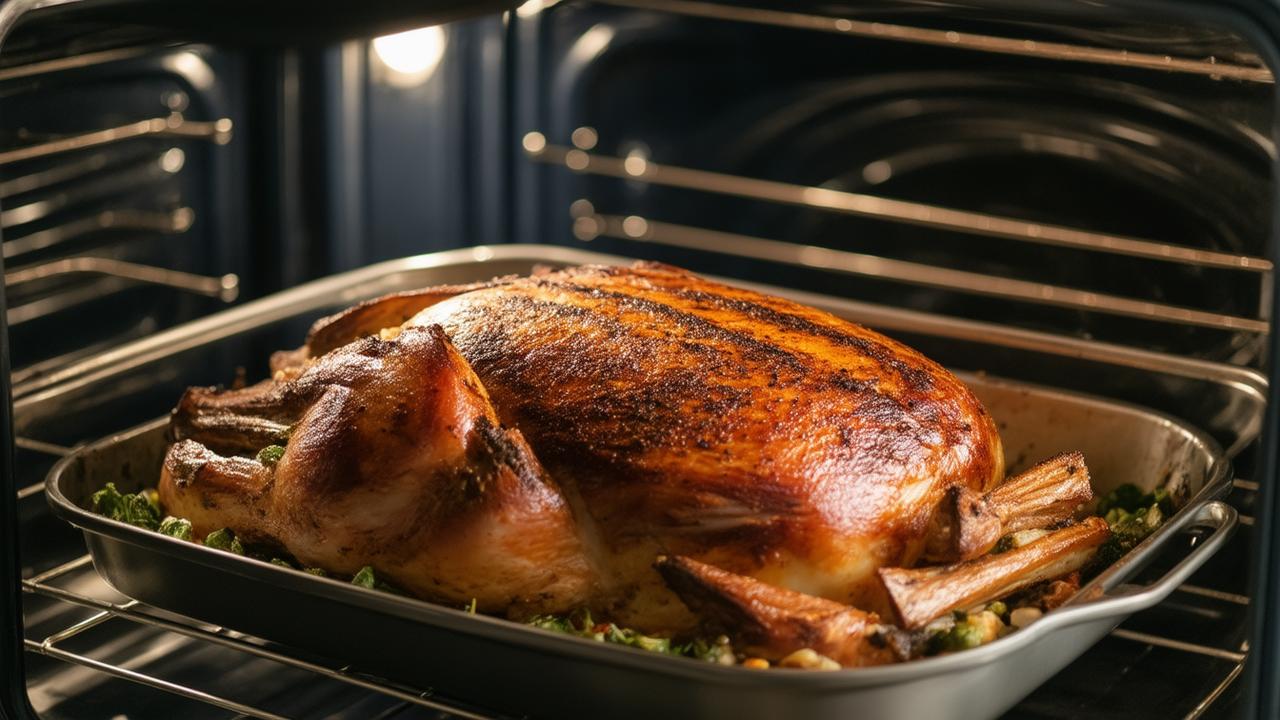
The house always smells different on the days I decide to turn the oven on. The air thickens, softens. Outside, the world might be clattering along—traffic pressing against intersections, deadlines tapping against glass, the constant hum of headlines—but in here, time slows by a half step. Flour dusts the counter. An onion gives up its sharpness to the pan. The oven door closes with that quiet, hollow thump, and suddenly there is this small, glowing center of reliability in the room. A meal is on its way, and that fact alone feels like a promise kept.
The Quiet Drama of Preheating
Preheating is a kind of ritual. You twist the dial or tap the button—375°F, maybe 400°F—and wait for the whoosh of gas or the faint, electric click. It’s not exciting in any conventional sense. No fireworks, no applause. Just a box of metal gently becoming hot. Yet it’s one of those small, deeply reassuring moments that divide before from after.
Before the preheat, dinner is an idea. A list of ingredients, a glimmer of intention, a grocery receipt you probably spent more on than you meant to. After the preheat, dinner is inevitable. Heat is gathering. Transformation is no longer hypothetical; it’s underway, built into the laws of physics. The cheese will melt, the vegetables will soften, the crust will blister. In a world where so many outcomes wobble and falter, the certainty of an oven feels almost radical.
The soundscape shifts while you wait. Maybe there’s the slow, percussive chop of your knife against the cutting board, the slight squeak of the drawer when you reach for a spoon, the muted clink of oil bottle glass against the counter. The raw ingredients sit in their mismatched bowls: a tumble of potatoes and carrots, thick coins of leek, shy cloves of garlic still in their papery jackets, a handful of herbs whose scent travels farther than you expect. The meal doesn’t look like much yet. But the oven, humming to itself, is like a calm friend who’s seen worse and knows exactly what to do.
It’s easy to underestimate how tactile this all is. The cool smoothness of the casserole dish as you rinse it. The way olive oil runs in a golden ribbon, slow and generous. Salt between your fingers, crystalline and light. You stir everything together with your hands because no spoon has ever really done the job right. Oil slicks your palms; thyme leaves cling to you like tiny green commas. You’re making a sentence out of chaos, one seasoned potato, one scattered clove at a time.
What We Really Mean by “Comfort Food”
We call these recipes “comfort food,” as if the comfort is hiding in the recipe card or the shape of the pasta. But it’s not just about what’s on the plate. It’s about the way the oven changes the entire room, the whole evening. It’s the long, slow exhale that happens when something is baking, roasting, or bubbling away and you know, for at least this one hour, your job is simply to wait.
Outside, the weather might be unruly. Maybe it’s early winter and the wind keeps throwing handfuls of icy rain at the windows. Maybe it’s late autumn, when the trees look like they’ve been sketched in charcoal and the light disappears before you’re entirely ready to say goodbye. Or perhaps it’s midsummer, and using the oven feels a little rebellious—sweat at the back of your neck, a warm fog of tomato and basil pushing back against the open windows.
Comfort moves through all of that like a quiet current. The oven doesn’t care what’s happening in your inbox or the news feed. It doesn’t care whether you’ve “earned” this meal with productivity or good behavior. It just does its one simple, miraculous job: apply gentle, even heat over time. The reward is inevitable because the process is honest.
And when people talk about their “favorite” comfort dishes, what they’re often remembering is that feeling of inevitability. The sound of a timer ticking down. The way a kitchen light glows in a dark house. The knowledge that in forty-five minutes, you will open a door and be met with something fragrant and golden, something that asks nothing more from you than to sit down and eat.
The Way a Reliable Meal Holds You Together
That’s the kind of reliability that matters—not the brittle, perfect kind, but the soft, human version. The meal that doesn’t have to impress anyone. The dish that forgives you when you’re distracted and slice the vegetables a little unevenly. The recipe that can handle the fact that you used dried herbs instead of fresh, or swapped sweet potato for butternut squash, or forgot to buy cream and used milk instead.
The oven meal doesn’t judge. It meets you where you are. You stir, season, slide the dish into the heat, and trust that things will come together more or less fine. Not perfect. Not styled. Just… good. Honest. Enough.
A Casserole, a Traybake, a Story
Let’s say tonight it’s a simple oven meal: a pan of roasted vegetables and chicken thighs, or maybe a bubbling dish of cheese-topped pasta. It could be plant-based—beans tucked into tomato sauce, with bread crumbs and herbs on top, going crisp and golden under the broiler. In a way, the specifics don’t matter. The story follows the same arc.
You start with what you have. The slightly wilted carrots. The last half-onion in the pantry. That bag of frozen peas you keep buying because it feels responsible. A handful of cherry tomatoes that will wrinkle into little bursts of sweetness. A lemon that’s lost its shine but still carries enough brightness in its skin to wake everything up.
Into the dish they go, layered or scattered, depending on your energy level. Maybe you brown something first in a skillet—garlic, onion, a pinch of crushed red pepper flakes releasing their citrusy heat. The aroma climbs the air like a ladder. You pour, scatter, arrange. A blanket of cheese, if that’s your thing. Or a quiet snowfall of bread crumbs, thyme, and olive oil. You don’t need precision. The oven will smooth the edges.
There’s something democratic about the way the heat works: potatoes, onions, beans, herbs, everything subject to the same patient rules. What was separate becomes one coherent thing, flavored not just by salt and oil but by time itself.
A Small Table of Small Certainties
You could almost chart the comfort of an oven meal by the clock. The way the smell deepens. The texture changes. The way anticipation gathers like steam on the inside of the glass. If you were to translate this into something visible, it might look a little like this:
| Time in Oven | What You See | What You Smell | How It Feels |
|---|---|---|---|
| 0–10 minutes | Barely any change, just a thin fog on the glass | Faint hint of garlic or herbs, mostly just warm air | You’re still in “will this be good?” territory |
| 10–25 minutes | Edges softening, cheese starting to slump or bubble | Vegetables sweetening, spices waking up | You start to relax; something is clearly happening |
| 25–40 minutes | Browning at the edges, surface turning golden | Deep, layered aromas that fill the room | You’re hungry now, but also strangely peaceful |
| 40+ minutes | Crisp top, bubbling sides, everything unified | The “call everyone to the table” smell | You know dinner will be good enough, and that’s plenty |
It’s not an exact science, of course, but the rhythm is familiar. You could walk into a house mid-winter, inhale once, and know almost to the minute how long until dinner is ready. That’s the quiet magic of baked things—they announce themselves.
Why This Reliability Matters Now
There’s a particular kind of tired you get from living in a world that spins faster than your nervous system can comfortably follow. It’s not the kind of tired that sleep alone fixes. It’s the exhaustion of decision fatigue, endless “what ifs,” and the tightrope feeling of not quite keeping up.
An oven meal doesn’t pretend to solve any of that. The deadlines are still out there. The world is still loud. But it does offer one immediate, tangible relief: for this hour, you know how the story ends. You have a beginning (cold ingredients, messy counter), a middle (heat, waiting, aroma), and a certain, satisfying conclusion (something warm on a plate). That narrative is not up for negotiation. The potatoes will soften. The sauce will thicken. The cheese will stretch in long, theatrical threads when you lift the first spoonful.
We underestimate how much humans need that sort of small, guaranteed arc. A reliable meal is like reaching the final page of a book and knowing there will actually be an ending, not just a cliffhanger. When terms like “uncertainty” and “volatility” leak into every corner of life, pulling a browned, bubbling dish from the oven becomes its own act of subtle defiance. You made something stable. You brought one tiny thing all the way from idea to reality.
➡️ Gardeners are rethinking soil turning after noticing long-term damage
➡️ If your plants seem healthy but attract recurring problems, the cause may be underground
➡️ Over 60 and experiencing stiffness in the morning? This is what your body needs most
➡️ Over 65? This overlooked part of the foot plays a key role in stability
➡️ Restoring sight without major surgery: the quiet revolution behind a new clear eye gel
➡️ Add just two drops to your mop bucket and your home will smell amazing for days, no vinegar, no lemon needed
➡️ Space almost ignited a serious conflict between China and the United States over secret military ambitions no one wants to admit
The Oven as a Kind of Companion
On the lonelier nights, the oven can even feel like another presence in the room. While it glows behind its glass door, you move slowly around the kitchen—washing a few dishes, humming without realizing it, scrolling aimlessly and then putting your phone down because the scent rising from the oven is more interesting than anything on a screen.
Maybe someone you love is on their way home, boots damp, shoulders tense from the day. Maybe you’re cooking just for yourself, setting a table for one with the same care you’d offer a guest: a real plate, a cloth napkin, the good salt within reach. Either way, the oven’s steady warmth says the same thing: stay. Wait. Something good is on its way to you.
The Little Rituals Around the Edges
The moment the timer finally rings is its own kind of ceremony. You open the oven door and a wave of heat rolls out, fogging your glasses if you wear them, kissing your face with the scent of everything you’ve combined. The top is burnished in places, bubbly in others—a map of what’s been happening inside that metal box while you waited.
You set the dish down and it crackles softly, tiny sounds of boiling and settling. You’re supposed to let it rest, technically, to give the structure time to firm up and the flavors to relax. But that first scoop is always a little impatient. A corner gone missing, a taste test that was never really about testing. Just verifying what you already knew, deep down: warm, savory, enough.
Then there’s the ritual of sharing. Passing plates. Scooping generous portions. Asking, “Do you want more?” when the answer is obviously yes. Or, if you’re eating alone, the gentler ritual of leftovers: dividing the dish into containers, stacking them in the fridge like small promises to your future self. Tomorrow, when you’re tired and tempted to skip dinner or swallow something forgettable at your desk, that container will wait patiently, solid and certain.
Reliability, Served Warm
In the end, this is why the warm oven meal matters. It’s not only about taste, or nostalgia, or any single seasoning choice. It’s the way the whole experience gathers you in: the sensory slow dance of smell and warmth, the physical act of chopping and stirring, the predictable kindness of heat working steadily over time.
The oven doesn’t ask you to be your best self. It doesn’t require you to optimize anything. It just meets your ingredients—and your mood—exactly where they are, and gently coaxes them into something nourishing. That quiet reliability is the kind that stays with you, long after the last bite is gone. You remember the feeling of standing in that warm, good-smelling room and knowing, for at least one small, significant slice of the day, that everything was going to come out okay.
Frequently Asked Questions
Why do oven meals feel more comforting than quick stovetop dishes?
Oven meals usually take longer and fill the whole space with warmth and aroma. That slower, more gradual process gives you time to unwind. Instead of constant stirring and monitoring, you get to step back and simply wait, which creates a feeling of safety and predictability.
Do I need precise recipes to make reliable oven meals?
Not necessarily. Many traybakes, casseroles, and roasted dishes are very forgiving. As long as you use a moderate temperature, season well with salt, fat, and a few herbs or spices, and give things enough time to cook through, you can improvise quite a lot.
How can I make oven meals feel special if I’m cooking for just one person?
Use a smaller baking dish, but keep the rituals: preheat the oven, set a place at the table, maybe light a candle or turn on softer lighting. Store leftovers in tidy containers so it feels like a gift to your future self instead of an afterthought.
What makes an oven meal feel “reliable” on a hectic day?
You can assemble it quickly, put it in the oven, and then step away to shower, answer messages, or simply rest. The oven does the attentive work for you, and you know that at a specific time, there will be something warm and ready without constant supervision.
Can simple ingredients still make a deeply satisfying oven meal?
Absolutely. Everyday items like potatoes, onions, beans, frozen vegetables, and a bit of cheese or olive oil transform beautifully in the oven. Time and heat build flavor, turning humble ingredients into something that feels far richer than the sum of its parts.





