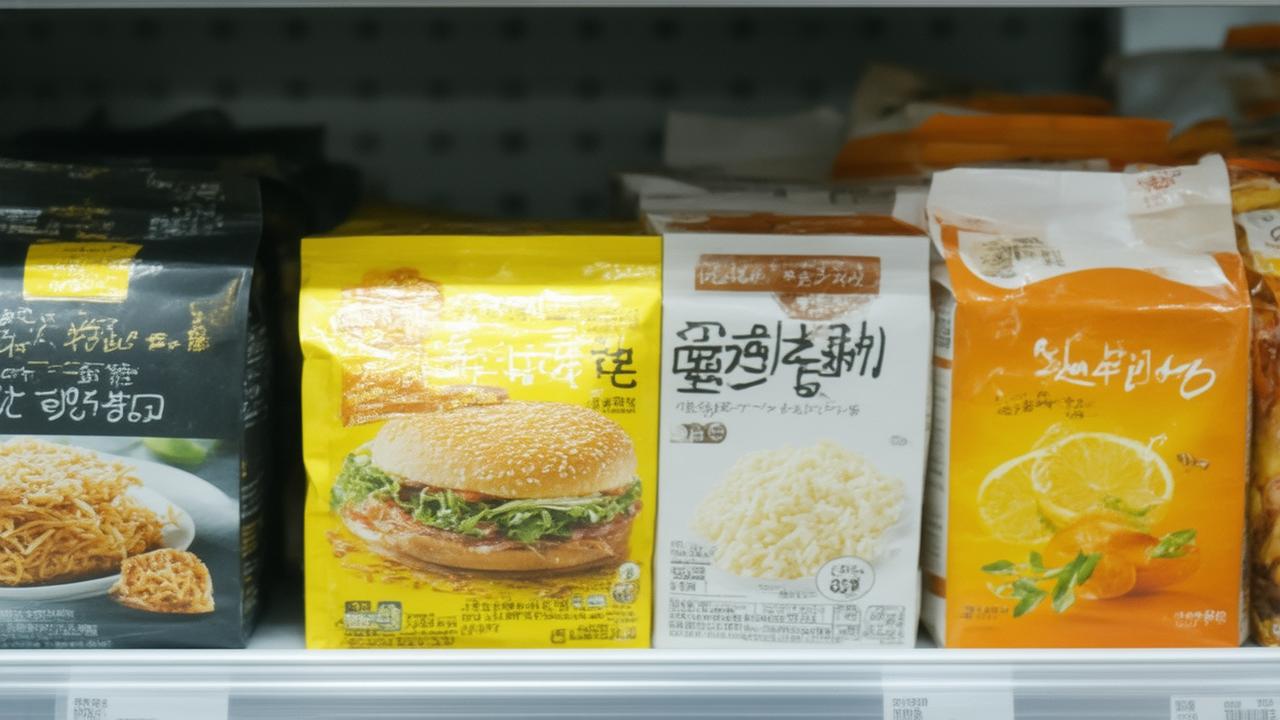
The first time you notice it is never dramatic. It’s a small shiver of doubt at the supermarket shelf, a tiny flicker in the fluorescent light. You reach for the same cereal you’ve bought for years, the same buttery-yellow box with the same smiling logo, the same promise of familiarity. Your hand pauses. Something feels…off. The box looks thinner, lighter, as if someone has quietly exhaled the air out of your morning ritual. You turn it over, squinting at the fine print. 420 grams. Wasn’t it 500 last year? The price tag on the shelf – that little plastic slab of truth – still shows the same number you remember. You stare at it longer than necessary, feeling faintly ridiculous, as if you’re arguing with your own memory. But your fingertips do not lie: less weight, same money.
That Quiet Click of the Shopping Cart
The cart wheels click as you push deeper into the supermarket, past pyramids of oranges glowing like lanterns and towers of yogurt that shimmer in chilled air. The place hums with low conversations, trolley squeaks, the beeping metronome of scanners at the registers. Everything looks abundant, glossy, designed to soothe.
You pick up your usual bottle of orange juice. The label trumpets “NEW LOOK!” with a bright, confident splash of color. You flip it around and see the new number: 0.9L instead of 1L. It’s subtle, a rounding error if you’re in a hurry. The price tag, though, hasn’t budged. Your brain does the fast math, that strange mix of irritation and resignation starting to simmer in your chest.
By the time you reach the dairy aisle, you’re reading everything. Yogurt tubs are shallow now, like someone pressed a thumb into their center. The bag of chips that used to puff out like a small pillow now rustles with more air than food. Chocolate bars that once felt solid in your palm have narrowed their shoulders just a bit. Yet the numbers under them on the shelf – those bright, unwavering prices – hold like anchored buoys in a rising sea.
You’re not imagining it. It has a name, this quiet adjustment of your basket: shrinkflation.
The Forest Trail of the Supermarket
Walk through a supermarket slowly, like you would on a forest trail, and you start to see it as an ecosystem. Colorful packaging is plumage, bright and distractingly beautiful. Aisles are migration routes, where brands shuffle themselves closer to your hands and eyes. And like in any ecosystem, adaptation is happening – but it’s happening under your nose, inside numbers and grams and milliliters.
Listen closely. In the cereal aisle, cardboard whispers: “Now with 10% more crunch!” But behind the words, the box has quietly lost 12% of its weight. In the snacks aisle, new shapes and “limited editions” appear like sudden blooms after rain. You think you’re getting something extra; you’re not told what’s been taken away.
The science of this is simple but unsettling. When raw materials, energy, and transport become more expensive, companies have choices. They can raise prices blatantly and risk your anger. Or they can leave that shelf price alone and make the product a little smaller, a little lighter, nudging the change into the blind spot of your shopping habits. A few grams here, fifty milliliters there. For one item, it’s a shrug. For a whole cart, week after week, it’s a quiet erosion of value.
It’s the supermarket equivalent of a trail that gets narrower each time you walk it. You’re still on the path, but the bushes creep closer, closing in by inches, until one day you realize you’re brushing branches that never touched you before.
The Illusion of the Familiar Package
Brands know something fundamental about human beings: we trust what looks the same. Our brains are efficient, maybe a little lazy. Once we’ve memorized the shape and color of “our” pasta sauce jar or our favorite granola bar, we stop verifying. We glide on recognition. And that is exactly where the sleight of hand lives.
The shape of a bottle changes, but the height stays roughly the same. The base is sculpted more deeply, lifting the liquid but keeping the silhouette. A snack packet gets taller and narrower, mimicking the old presence on the shelf, while quietly trimming content. Even air – lazy, weightless air – becomes a co-conspirator, puffed into bags to keep them looking plump, signaling abundance without delivering it.
Run your fingers around the edges of a “new” package and you begin to feel the trick. Thinner plastic, deeper indentations, subtly beveled bases. It’s like the product is learning to hide within its own skin.
| Product Type | Before | After | Hidden Change |
|---|---|---|---|
| Breakfast cereal | 500 g | 420 g | 16% less food, same box height |
| Orange juice | 1 L | 0.9 L | 10% less liquid, “new look” label |
| Chocolate bar | 100 g | 85 g | Smaller squares, same wrapper width |
| Chips | 200 g | 175 g | More air, same bag height |
| Yogurt tub | 500 g | 450 g | Shallower tub, wider lid design |
None of this is illegal if the label tells the truth. But legal and honest are not always the same thing. Honesty would be a bold red banner saying, “We reduced the quantity and kept the price.” You almost never see that. Instead, the story on the front is of “improved recipes,” “more flavor,” “less sugar,” “better packaging.” The missing grams stand quietly in the shadows.
The Emotional Weight of a Lighter Basket
It’s easy to talk about shrinkflation like a math problem, a neat little equation of grams and dollars. But the feeling it generates in the aisles is visceral. It’s in the long exhale you let out at the register when the total flashes up, somehow higher than last time even though your bags feel suspiciously light. It’s in the quick mental triage you perform: the yogurt stays, the cheese goes; the biscuits are a luxury now; maybe fruit instead of juice this week.
You might walk out into the parking lot with a narrow kind of guilt, as though you’ve failed some invisible test of financial competence. The world of promos and pack sizes and unit prices is set up like a maze that rewards those with time and energy to decode it. Not everyone has that bandwidth. Parents shopping with tired children. Workers grabbing groceries at the end of a long shift. Elderly shoppers leaning on trolleys like slow-moving anchors. The system extracts most gently from those who can pay attention the least.
At home, you open the new packet of biscuits and see more space between each cookie, like missing teeth in a familiar smile. You pour cereal into a bowl and the box feels half-empty after a single breakfast. These are tiny frictions, but they add up. It’s not just money leaving; it’s trust thinning out like watered-down juice.
Learning to Read the Fine Print
There’s a small rebellion you can stage, right there in the aisle, under those humming fluorescent lights. It doesn’t require confrontation or grand gestures, only a quiet sharpening of attention.
Start with the numbers, not the colors. Ignore the “NEW!” bursts and the heart-shaped icons promising wellness and joy. Look instead for the line that says “Net weight” or “Net contents.” This is the actual story.
Many shelves now also carry a second line in tiny print: the unit price. Price per 100g, price per liter, price per kilo. If the supermarket is a forest of brands shouting at you, unit price is the birdsong of truth in the background. Listen to it. Compare two similar products, side by side, not by how “premium” they look, but how much they truly cost for the same amount.
Sometimes the old, less glamorous brand offers more for less. Sometimes the store’s own label – plain, almost shy in its design – quietly wins the math. And sometimes you discover that the “value pack” is nothing of the sort, only a regular product in oversized clothing.
When Companies Say “We Had No Choice”
If you could sit across the table from the people who decide how big your chocolate bar is, they’d have a story to tell too. Raw material costs went up. Energy prices climbed. Shipping got more expensive. They worried – with some justification – that slapping a visible price increase on the product would scare you away to a competitor’s shelf. Shrink the product a bit, they’d say, and we survive another quarter.
In a way, shrinkflation is a negotiation without a conversation. Companies decide what you are less likely to notice, then silently act on it. You are given no real chance to agree, to say, “I’d rather pay ten cents more than lose 50 grams,” or even, “I’ll buy this less often, but I want the size to stay honest.”
➡️ Australia’s changing rainfall patterns are altering the nation’s wheat belt predictions
➡️ How Australia’s museums are rethinking colonial collections and repatriation pathways
➡️ Australia’s housing design is shifting toward passive cooling as summers grow harsher
➡️ What Australian doctors are learning from long COVID clinics in major cities
➡️ Australia’s space industry is quietly expanding beyond satellites into deep tech exports
➡️ Emergency wards are reporting a sharper spike in dehydration cases during prolonged heatwaves
➡️ Bushfire smoke is turning air quality monitors into everyday household essentials
It’s not that every brand is twisting its moustache in a back room. Some are candid about their choices; some even communicate size changes openly. But the overwhelming pattern is opacity. The problem is not adaptation to rising costs – that is an unavoidable part of any living system. The problem is that the adaptation happens in the shadowy corners of consumer awareness, rather than in the clear light of shared understanding.
Small Acts of Resistance in the Aisle
So what does resistance look like, here, under the buzz of refrigeration units and the smell of ripe tomatoes?
- Picking up two similar products and comparing unit prices, even if it takes an extra minute.
- Choosing the brand that keeps quantity steady and is transparent about price, and rewarding that choice with loyalty.
- Talking about shrinkflation with friends, family, colleagues – dragging it into the light where it can’t operate as quietly.
- Taking photos of old and new packages when you can, building your own memory against the amnesia of redesigns.
- When possible, buying basic ingredients – grains, beans, whole foods – where shrinkflation is harder to hide and cooking your own where time allows.
None of these actions will single-handedly reverse global pricing trends. But they change something important: the balance of awareness. Once enough people are paying attention, silence stops being a viable strategy. What was once an invisible adjustment becomes a public discussion. Companies may still raise prices or alter sizes, but they will think harder about how, and how openly.
Seeing the Supermarket with New Eyes
Next time you walk into the supermarket, take a breath as if you’re stepping into a landscape, not a store. Hear the rustle of packaging like leaves. Notice what has grown smaller, what has stayed generous, what has cleverly disguised its change. Your cart becomes not just a vessel for groceries, but a record of choices – yours, and the companies’.
Portion sizes are shrinking, yes. Prices hold firm on their little plastic shelves, like stubborn barnacles on a rock. But your attention is not fixed. It can roam, question, compare. It can refuse to be lulled by the promise that “nothing has changed” when everything, in fact, has shifted slightly under your feet.
The story of what we eat and what we pay is being written every day in grams and milliliters, in rounded corners and deeper bottle bases, in unit prices and redesigned logos. You are not just a reader of that story; you are a character in it. And characters, once they become aware of the plot, have a way of changing the ending.
Frequently Asked Questions
What is shrinkflation?
Shrinkflation is when companies reduce the size or quantity of a product while keeping the price the same, effectively increasing the cost per unit without raising the visible shelf price.
Why do supermarkets and brands shrink portion sizes?
They usually do it to cope with higher production, ingredient, energy, or transport costs. Instead of risking consumer backlash with a clear price increase, they quietly reduce product size to protect profits.
Is shrinkflation legal?
Yes, as long as the actual weight or volume is accurately displayed on the package. The ethical question, however, is about transparency, since the changes are often hidden behind similar packaging and “new look” designs.
How can I protect myself from paying more for less?
Always check the net weight or volume on the package and compare the unit price (price per 100g, per kilo, or per liter). Don’t rely only on brand familiarity or packaging size; let the numbers guide your choices.
Are store brands less affected by shrinkflation?
Not always, but often store brands are more aggressive about keeping value visible. Still, you should check their sizes and unit prices just as carefully as you do with big-name brands.
Does shrinkflation happen in all types of products?
It’s most common in packaged foods like snacks, cereals, drinks, and dairy products, but it can also appear in household items such as toilet paper, cleaning products, and toiletries.
Can consumer pressure really change this practice?
Consumer awareness and pressure can’t eliminate shrinkflation entirely, but they can push companies toward clearer communication and more honest pricing, and reward brands that choose transparency over quiet reductions.





