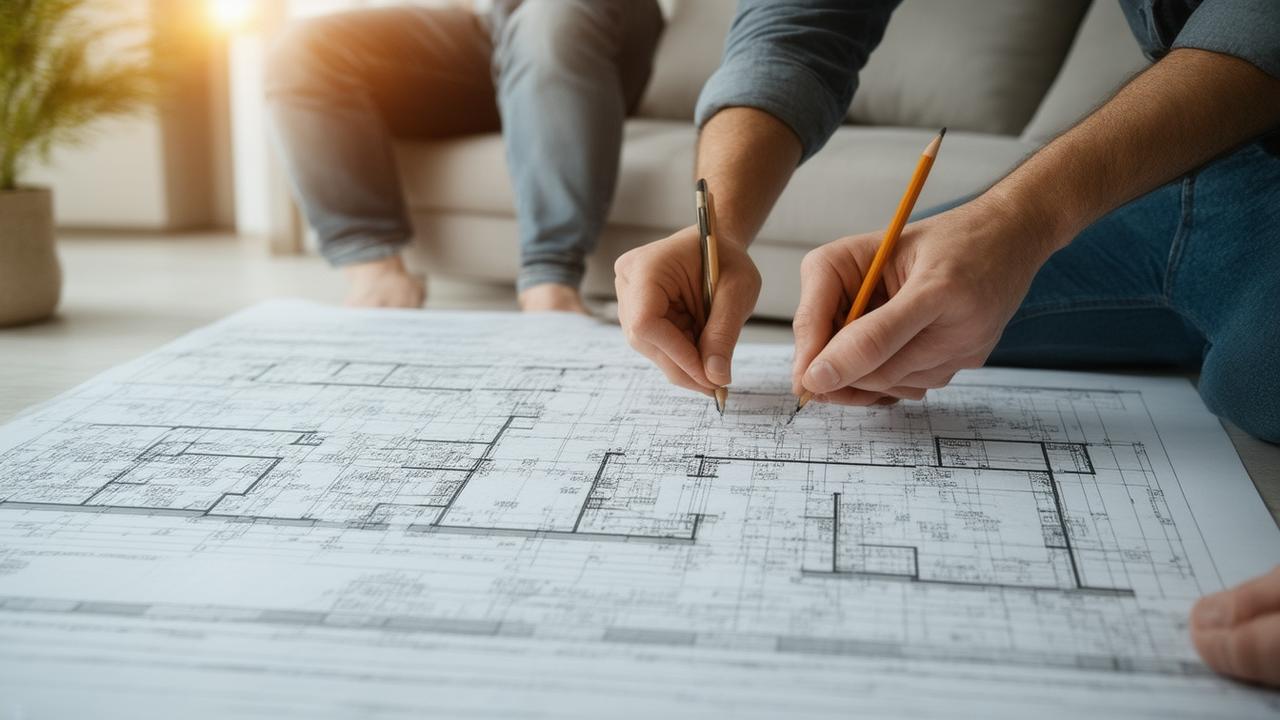
On a late summer afternoon, the city sounds oddly distant. Inside the small brick house at the end of the cul‑de‑sac, the air is still and cool, like the shadowed side of a forest trail. No air conditioner hums from the window, no compressor groans to life in the backyard. Outside, the street sizzles in a heatwave. Inside, bare feet meet a pleasantly cool floor, the light is soft and dappled, and a jug of water sweats quietly on the table. Nothing about the house screams “technology,” yet everything about it has been carefully designed so you barely need to think about heat at all.
Listening to the Sun Instead of Fighting It
Walk through many older neighborhoods and you’ll notice an unintentional wisdom: deep porch roofs casting shade, tall trees leaning over houses, narrow windows on the hottest sides of the building. Before the age of mechanical cooling, people didn’t have much choice. They had to listen to the sun, to the wind, to the path of clouds across the sky. Houses were tuned like instruments to the local climate.
In recent decades, we mostly forgot that. Air conditioning gave us a kind of brute-force comfort. If the house overheated, we just cranked up the cooling. If afternoon sun blasted through a west-facing window, we pulled down a blind and turned up the thermostat. But that comfort came with a cost: higher energy bills, overloaded grids, and invisible plumes of emissions drifting from power plants into an already warming atmosphere.
Now, as summers grow hotter and heatwaves stretch longer, a quieter housing revolution is underway. Architects, builders, and ordinary homeowners are rediscovering a deceptively simple idea: instead of overpowering heat, work with it from the beginning. That means passive cooling—designs and materials that keep you comfortable with minimal or no mechanical air conditioning—and smarter shading systems that read the sun like a book.
It’s a revolution you don’t hear or see in flashing neon. You feel it, in the difference between a room that bakes and a room that simply sighs and stays cool.
The Art of Coolth: How Buildings Breathe Without Machines
Passive cooling starts with a question that sounds like something a curious child might ask: “What if the building could cool itself?” Not with spinning fans or humming compressors, but through form, shade, airflow, and materials that remember the temperature of the night long after the sun is up.
Open the door to a well-designed passive house in the middle of a hot day, and there’s often a moment of disbelief. You’ve stepped out of shimmering heat into calm air that’s remarkably comfortable, if not icy. Thick insulation in the walls and roof slows the rush of heat from outside. Carefully placed windows avoid inviting in too much direct sun while still pulling daylight deep into the rooms. High thermal mass materials—stone, concrete, earth—soak up coolness at night and slowly release it during the day like buried ice.
Sometimes the cooling is as simple as cross-ventilation: openings on opposite sides of the house that allow prevailing breezes to sweep through. In dense urban areas where breezes can be scarce, high windows or operable skylights turn warm air into an ally, letting it rise and escape so cooler air rushes in behind it. Even the color of the building matters; lighter surfaces reflect sunlight back to the sky instead of drinking it in.
None of this feels like technology in the slick, gadgety sense. It feels like choreography. The building is quietly negotiating with the climate, hour by hour, using gravity, shade, and air pressure. In a world addicted to instant fixes, passive cooling asks us to zoom out and think in slow motion: Where does the sun rise? What direction do the strongest winds come from? How does the ground store the memory of night?
The New Shade: Smarter, Softer, More Beautiful
Some of the most transformative changes in this housing revolution are happening where sun meets glass. Windows are both a blessing and a curse when it comes to heat. They bring in light and view, but they can also act like magnifying glasses, focusing the sun’s energy right into our living spaces. The difference between a room that feels like a greenhouse and a room that feels like a forest glade often comes down to one thing: shade.
Old-fashioned shading was simple: shutters, curtains, maybe an awning. Today’s smarter shading systems take that ancient instinct and give it new nuance. On the outside of buildings, adjustable louvers and slatted screens can be angled to block high, harsh summer sun while still letting in the softer light of winter. Movable pergolas unfurl over terraces as the day heats up, then retract to welcome evening skies. Some systems are automated, quietly tracking the sun with tiny motors and sensors, adjusting in real time so you barely notice the dance.
Inside, the technology is subtler but no less important. Double-layer blinds can diffuse glare while trapping a layer of cooler air next to the glass. Fabrics are chosen not just for color and texture, but for how they filter heat-carrying infrared rays. In some cutting-edge projects, electrochromic glass deepens its tint when the sun is strongest, like sunglasses for a building, then fades back as the light softens.
Yet the most underrated shading system might still be the oldest: plants. A small tree placed near a west-facing window can intercept brutal late-afternoon sun and replace it with green-filtered light and a flicker of leaves. Vines grow over pergolas and balcony trellises, adding a layer of living, breathing shade that cools the air as it transpires. The return of greenery to facades and courtyards is not just aesthetic; it is a slow, leafy technology, powered by roots and rain.
Where Design Details Quietly Take the Lead
What unites all these approaches—passive cooling, adaptive shading, living facades—is a shift in emphasis from control to conversation. Instead of imposing a fixed indoor climate no matter what is happening outside, smarter homes now play along with the world that surrounds them. Designers obsess over overhang lengths, window orientations, and ventilation paths with the same care a sound engineer gives to acoustics.
Consider a modest courtyard house in a hot, dry town. Its rooms open inward around a shaded central space lined with plants and a small reflecting pool. Overhead, a canopy of mesh cloth and leafy branches filters the light to a soft glow. As the day heats up, air over the courtyard cools slightly as it passes across the water and vegetation, then drifts into adjacent rooms. At night, high vents open to the sky, letting warm air escape and inviting in cooler currents.
Or imagine a compact urban apartment whose external shading responds to the weather forecast. On a high-heat day, the slatted screens angle down automatically by mid-morning, stopping the worst of the solar gain before it even touches the glass. Indoors, ceiling fans stir the air lightly, increasing comfort without drastically lowering the actual temperature. The air conditioner, if there is one, clicks on less often, sometimes not at all.
Cooler Homes, Lighter Footprints
For all its poetry, this quiet revolution is also bluntly practical. Energy used for cooling is one of the fastest-growing slices of electricity demand worldwide. As more regions face brutal heatwaves, the temptation is to proliferate air conditioners everywhere—an understandable short-term solution that risks creating a vicious cycle: more energy use, more emissions, more warming, more heat, and back again.
Passive cooling and smarter shading break that cycle at its source. Each degree of indoor comfort gained through design is a degree that doesn’t have to be mechanically forced. That translates directly into fewer peak loads on the electrical grid, lower utility bills, and smaller backup generators in off-grid communities. For households wrestling with energy poverty, it can mean the difference between surviving a heatwave and being overwhelmed by it.
Even in cooler or mixed climates, these strategies matter. The same careful shading that blocks high summer sun can welcome low winter light when designed correctly. Buildings that rely less on machines to stay habitable are more resilient in blackouts, storm events, or fuel price shocks. Comfort that comes from design rather than constant consumption is comfort that endures.
Everyday Choices: How Residents Join the Revolution
This transformation is not reserved for glossy architectural showcases or high-budget eco-mansions. It slips quietly into everyday decisions: where you plant a tree, what kind of blinds you buy, whether you choose a light or dark roof color, how you use windows at night and during the day. Passive cooling is both a design philosophy and a daily habit.
➡️ River allocations are becoming a political flashpoint as drought pressure returns upstream
➡️ New apartment builds are reviving debate about ventilation and indoor health outcomes
➡️ A new generation of filmmakers is reshaping national culture through intimate documentary work
➡️ School counsellors are reporting a heavier mental health load among teenage students
➡️ Tourism operators are rethinking wildlife encounters as visitor numbers rebound strongly
➡️ Home cooks are rediscovering fermentation as flavour and health trends converge
➡️ Repair cafés are spreading as households push back against disposable electronics culture
In older homes, simple measures can make surprising differences. Exterior shades or shutters are far more effective than interior curtains alone, because they stop heat before it reaches the glass. Strategic window films can reduce solar gain without plunging rooms into gloom. Ceiling fans, when paired with moderate shading and night-time ventilation, can extend the range of comfortable days without mechanical cooling at all.
People begin to notice the small rituals of living with the climate instead of in spite of it: opening the house wide at dawn, then closing shutters and blinds as the sun climbs; airing out rooms at night as temperatures drop; choosing to sit in the green-filtered corner of a room where a tree outside has casually become part of the cooling system.
A Revolution You Can Feel, Not Hear
Walk back into that quiet brick house at the end of the cul‑de‑sac as the evening settles in. Outside, the day’s heat still radiates from the pavement, a faint shimmer hanging just above the ground. Inside, the rooms are still comfortable, the air a few degrees cooler than the street, a testament to shade and mass and patient design. Light diffuses through a pergola draped in vine leaves, dappling the wall in soft, swaying shadows.
This is what the new housing revolution looks like: not gadgets flashing on a wall, but the simple relief of not having to battle your own home. It unfolds in silhouettes of deep eaves and narrow, shaded alleys between buildings; in the hush of a fan instead of the roar of a compressor; in the way a trellis or balcony screen turns harsh glare into quiet, livable light.
As the planet warms, we will still need machines—fans, coolers, sometimes full-scale air conditioning systems—to protect the most vulnerable during deadly heatwaves. But the more of the cooling work our buildings can shoulder passively, the more those machines can be safety nets rather than daily crutches.
In the end, this quieter revolution is about changing our relationship with heat itself. Not as an enemy to be crushed at any cost, but as a force to be understood, anticipated, and gently tamed by stone, wood, glass, leaves, and air. Step into a well-shaded, passively cooled home on a searing day, and you’ll feel it instantly: a soft, steady resistance to the outside world, built not on noise and power, but on intelligence and calm.
Quick Snapshot: Passive Cooling & Smarter Shading at a Glance
| Strategy | What It Does | Everyday Example |
|---|---|---|
| Orientation & Layout | Reduces direct solar gain and captures breezes. | Placing most glass on cooler, less exposed sides of the home. |
| Thermal Mass | Stores coolness at night, slows heating during the day. | Exposed concrete or stone floors that cool down overnight. |
| Natural Ventilation | Moves warm air out and draws cooler air in. | Opening high windows or vents to let hot air escape in the evening. |
| Exterior Shading | Blocks sun before it hits the glass. | Awnings, shutters, or louvered screens on sunny facades. |
| Green Shade | Cools air and filters light through plants. | Trees, vines, and planted pergolas outside windows and terraces. |
FAQ: Passive Cooling & Smarter Shading
Do passive cooling and shading really work without air conditioning?
In many climates, well-designed passive cooling and shading can keep homes comfortable for most of the year, drastically reducing or even eliminating the need for air conditioning. In very hot or humid regions, they may not fully replace mechanical cooling, but they can significantly cut how often and how hard systems need to run.
Is it expensive to add these features to an existing home?
Costs vary, but many impactful changes are relatively affordable: adding exterior blinds or awnings, planting shade trees, using light-colored paints and roofing, or installing ceiling fans and better curtains. More complex upgrades—like new windows, insulation, or redesigned facades—cost more but can pay off over time through lower energy bills and improved comfort.
What is the difference between interior and exterior shading?
Exterior shading stops much of the solar energy before it even reaches the glass, which prevents heat from entering the building in the first place. Interior shading (like curtains and blinds) is still useful, especially for glare control, but by the time sunlight hits them, much of the heat has already come inside.
Can smart, automated shading systems fail or become complicated to use?
Automated systems do add some complexity and can fail like any technology. However, many are designed to default to simple manual control if something goes wrong. The key is not to rely only on automation, but to combine it with inherently good design—proper window placement, overhangs, and passive strategies that work even when the motors are off.
What is one simple change I can make this year to start using passive cooling?
A powerful first step is to focus on your sunniest windows, especially those facing west or northwest. Add exterior shading if possible—like awnings, shutters, or a trellis with climbing plants—and pair it with light-colored blinds or curtains inside. You’ll likely notice a cooler home and less dependence on air conditioning in the hottest hours of the day.





