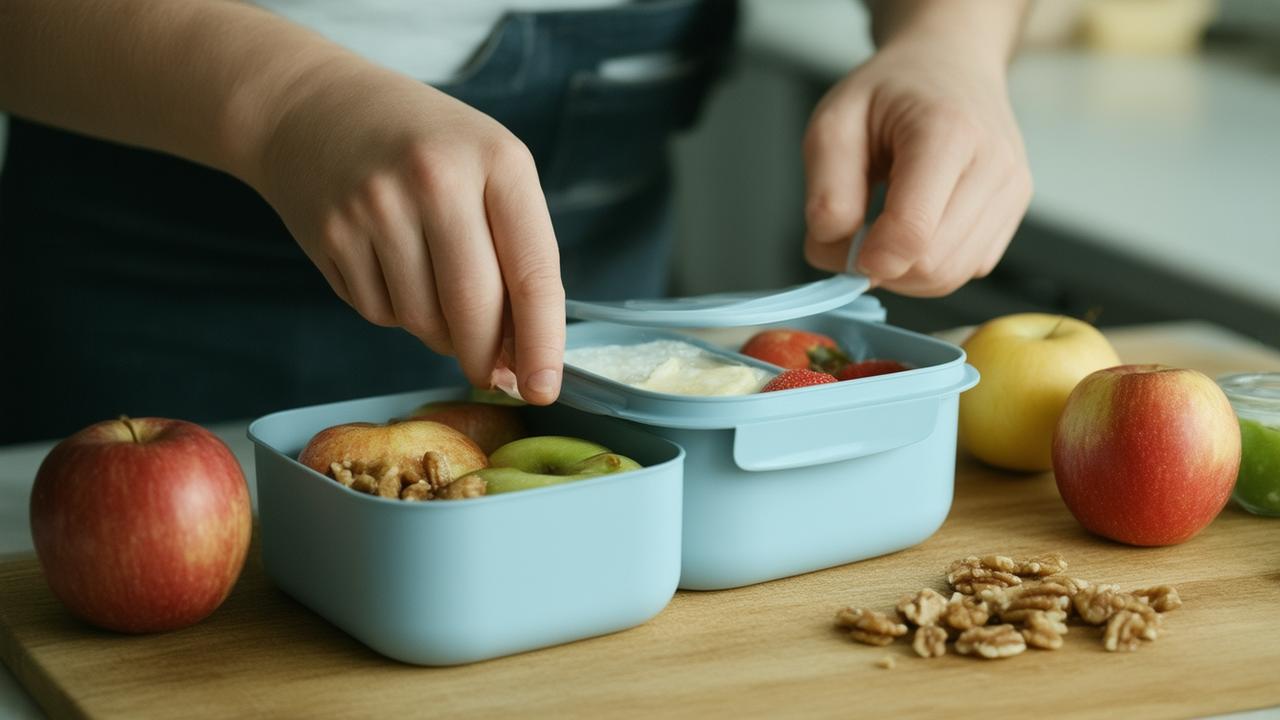
The bell rings and the hallway air shimmers with the familiar chaos of zippers, sneakers, and half-finished stories. In the middle of it all, a row of lunchboxes lands on a long wooden table with soft, hollow thuds. But crack one open, and it’s not the same sticky, crinkly, sugar-heavy scene many of us remember. Instead of squashed white-bread sandwiches and neon wrappers, there are little compartments of sliced chicken, hummus, boiled eggs, crunchy vegetables, yogurt, even tiny jars of chia pudding. The school lunchbox, that overlooked artifact of childhood, is evolving—and inside its metal and plastic walls, you can read a whole new story about what families now value, fear, and hope for.
The End of the Beige-and-Sugar Era
For years, the standard lunchbox was a study in beige and sweetness: crackers, cookies, a juice box, maybe some fruit if it survived the morning commute without becoming a bruise. Parents packed what they knew, what was quick, and what their kids wouldn’t complain about. Sugar wasn’t exactly the hero, but it wasn’t the villain either—it was just part of the lunch landscape.
Now, you can feel the shift in the checkout line at the supermarket. A parent stands in front of a wall of snacks, squinting at labels. They’re not just looking at calories anymore; they’re tracing protein grams with their finger, side-eyeing added sugars, and quietly calculating how long their child’s focus might last on what’s inside this packet. The stakes feel higher. Attention, mood, sleep, and long-term health are no longer abstract; they’re part of everyday conversation.
“He gets so cranky after a sugary snack,” one mother tells another during pick-up, her voice low but urgent, as though she’s confiding a secret. “If I don’t put something with protein in there, he’s starving by 10 a.m.” The other nods knowingly, swapping stories about mid-morning meltdowns and the transformation they’ve seen since trading in gummies for Greek yogurt and trail mix.
It’s not that sugar has disappeared. It’s that its spotlight has dimmed. In its place, a new star has taken center stage: protein. The lunchbox has become a small, daily experiment in keeping kids fuller, calmer, and more focused—with parents as the quiet scientists, testing one snack at a time.
Inside the New Lunchbox: Protein Takes the Lead
Open a contemporary school lunchbox and you’re just as likely to see a mini charcuterie board as a sandwich. There are rolled slices of turkey or chicken, cheese cubes stacked like building blocks, and a neat line of almonds or pumpkin seeds. Protein has moved from background detail to main character, and it’s showing up in forms that are both practical and kid-friendly.
Yogurt is thick and unsweetened, with a streak of fruit puree instead of an avalanche of syrup. Sandwiches might be on seeded bread, filled with tuna, egg salad, or leftover roast chicken. Even the snacks that look familiar—bars, puffs, crackers—often boast “10g protein” or “no added sugar” on the front, the new badges of honor in the lunch aisle.
Parents speak a new language now, one their own caregivers probably never used. Words like “stable blood sugar,” “slow-release energy,” and “brain fuel” drift through group chats and PTA meetings. Many don’t see themselves as health experts; they’re simply noticing patterns. A protein-rich lunch equals a kid who’s less hungry, less frazzled, less likely to crumple into tears over a misplaced pencil at 2 p.m.
And the numbers on the back of packets? They’re no longer invisible. They’re part of the story being told in each lunchbox, a series of small decisions adding up to a quiet revolution.
The Subtle Goodbye to Sugary Staples
The old sugar icons—cartoon-covered yogurts, juice boxes, candy-like granola bars—are slowly slipping out of the frame. They still make appearances, but often in smaller portions or on special days, more like treats than daily fuel.
In their place: naturally sweet, lower-sugar options. Apple slices with peanut butter, berries tucked into reusable containers, mandarins peeled and ready. Many parents now understand how quickly a sweet drink or snack can spike and drop a child’s energy, and they’re trying to level the ride.
The change isn’t always loud or dramatic. It’s in the parent who swaps flavored yogurt for plain, stirring in mashed banana. It’s in the decision to send water instead of juice, or to halve the portion of cookies and add a handful of nuts. Sugar is being renegotiated—still present, but less powerful.
Lunchboxes as Love Letters (and Battlefields)
Of course, there’s another layer to all this: emotion. Packing a lunchbox is not just about nutrients; it’s about care, identity, and sometimes conflict. The lunchbox is both a love letter and, occasionally, a battlefield.
In the quiet of early morning, a parent stands at the counter, carving cucumber stars or skewering cherry tomatoes with small bamboo picks. They’re not doing this for social media; they’re thinking of a nervous child walking into a loud cafeteria, of how a familiar snack or a colorful arrangement might brighten their day. A boiled egg, still warm. A little note folded under a pot of hummus. These are gestures of comfort disguised as food.
But there’s tension, too. Some kids just want the bright packaged snacks they see their friends eating. Some schools set strict guidelines about what’s allowed, clashing with cultural or personal food traditions. A parent might feel judged for including a sweet treat, or overwhelmed by the expectation to be endlessly inventive and health-conscious on a tight budget and an even tighter schedule.
In that gap between aspiration and reality, the new protein-focused, lower-sugar lunchbox can feel both empowering and exhausting. It asks more of parents: more reading, more planning, more compromise. Yet for many, the payoff—steadier moods, teachers commenting on better focus, fewer “I’m starving” complaints right after school—makes the effort feel worthwhile.
Small Hands, Big Voices
Children themselves are not passive in this story. They’re sharp observers. They see the swaps being made: the candy bar replaced by a homemade muffin, the chocolate milk replaced by water. They ask questions.
“Why can’t I have what she has?” a child might demand, staring at a neighbor’s lunch. It’s in these moments that conversations unfold—about strong muscles, clear thinking, and how food makes us feel. Sometimes those talks are clumsy or rushed, crammed into the minutes between tying shoelaces and racing to the car. But they plant seeds.
Increasingly, kids can explain what protein is. They’ll tell you that eggs, chicken, beans, or yogurt keep them “full for longer.” They might not mention blood sugar or amino acids, but they’re learning through experience. A packed lunch is starting to function as quiet nutrition education, one bite at a time.
The New Essentials: What’s Actually Going Into Boxes
Though every family and culture brings its own twist, certain patterns are emerging in these newly reimagined lunchboxes. They’re not perfect or uniform, but they share some common threads: more protein, more color, less sweet stickiness.
| Old Favorite | New Go-To | Why It’s Swapped |
|---|---|---|
| Sugary yogurt cups | Plain Greek yogurt with fruit | More protein, less sugar, still creamy and sweet. |
| Juice boxes | Water or diluted fruit-infused water | Hydration without the sugar spike and crash. |
| Candy-like cereal bars | Nut/seed bars with low added sugar | Healthy fats and protein for longer-lasting energy. |
| Plain crackers | Whole-grain crackers with cheese or hummus | Adds fiber and protein to a familiar snack. |
| Sweet flavored milk | Plain milk or unsweetened alternatives | Keeps the protein and calcium, drops excess sugar. |
On some mornings, a lunchbox might hold leftover lentils with rice, sprinkled with cheese. On others, it’s a hard-boiled egg, carrot sticks, and a small container of trail mix. There are bento-style setups with careful compartments, and simple, mismatched containers tossed into a bag in a hurry. Luxury and simplicity coexist—but the throughline is intention.
What matters most is not aesthetic perfection. It’s the slow, steady move toward balance: each lunch aiming, in its own imperfect way, to carry a child through the school day feeling nourished rather than overstimulated and empty.
Culture on a Plate
This shift hasn’t erased cultural diversity; in many cases, it’s amplifying it. Protein doesn’t just mean chicken breast and cheese sticks. It’s lentils, tofu, black beans, chickpeas, boiled soybeans, paneer, spiced meats, and leftover stews ladled into thermoses.
In one corner of the lunchroom, a child unpacks sushi rolls with salmon and avocado. At another table, there’s hummus with warm pita, or rice and beans seasoned the way a grandparent taught. These meals are high in protein and often naturally lower in added sugar—but more importantly, they carry stories, memories, and home with them.
The modern protein-focused lunchbox doesn’t have a single look. It has hundreds. What unites them is not uniformity, but a common desire: to keep children grounded and well in the middle of demanding, noisy school days.
➡️ A quieter housing revolution is unfolding through passive cooling design and smarter shading systems
➡️ New long COVID clinics are reshaping how chronic illness is diagnosed and managed
➡️ Desalination plants are becoming central to water security plans despite energy concerns
➡️ New shark tracking data is changing safety planning at popular swimming beaches
➡️ A revival of handwritten learning is gaining momentum in schools wary of screen overload
➡️ Wildlife carers are warning of a tougher year as habitat loss meets extreme weather
➡️ A new generation of museum curators is revisiting repatriation and colonial collecting ethics
Parenting in the Age of the “Perfect” Lunchbox
Hover long enough on social media and you’ll see lunchboxes that feel more like art projects than meals: vegetables carved into cartoon characters, color palettes that could belong in design magazines, ingredients sourced from specialty shops. It’s beautiful—and for many parents, completely unrealistic.
In real kitchens, life is messier. There are mornings when the eggs burn, the bread is down to heels, and someone forgot that the last yogurt was eaten yesterday. There are budgets that don’t stretch to trendy snacks, and children with sensory preferences that make “just eat more protein” far more complicated than it sounds.
Still, within those constraints, parents are making quiet, powerful changes: swapping one snack, reading one more label, adding one more source of protein, cutting one regular sugary item in half rather than eliminating it outright. These modest shifts seldom make it into glossy spreads, but they’re where the real transformation is happening.
The new lunchbox movement is less about perfection and more about direction. Less about showing off, and more about showing up—day after day, packing what you can, learning as you go.
Progress, Not Purity
There will always be birthdays, bake sales, and surprise treats. There will be days when the only thing that makes it into the bag is a hastily assembled sandwich and a packet of cookies. That’s not failure; it’s life.
What’s changing is the baseline, not the exceptions. Where sugary snacks once dominated, they’re increasingly sharing space with foods that keep kids steady. The goal isn’t to ban sugar, but to put it back in its place, while raising up protein and whole foods from co-stars to leads.
And like any story still unfolding, this one isn’t perfect. But it’s moving, meal by meal, toward something more thoughtful, more sustainable, and more aligned with what we’re learning about how children grow, think, and feel.
A Quiet Revolution in a Small Container
By the time afternoon light slants across the classroom and backpacks are dragged toward the door, the lunchboxes are mostly empty. Maybe a few carrot sticks remain, a smear of hummus on a lid, a forgotten grape rolling at the bottom. What you can’t see so easily is what those lunches helped hold together—a child’s focus during a tricky math problem, their patience with a classmate, their energy during a long game of tag.
Tomorrow, the ritual will repeat: the early-morning rustle in the kitchen, the small negotiations (“Two strawberries isn’t enough, I want more!”), the quiet pride of zipping up a box that feels like it might just carry your child through the day a little more smoothly.
The school lunchbox has always been a container for food. Now, more than ever, it’s also a container for values, research, cultural identity, and hope. As parents reach for protein and step back from sugar, they’re not just changing snacks—they’re rewriting what nourishment means for the next generation, one small, packed box at a time.
Frequently Asked Questions
Why are parents focusing more on protein in school lunchboxes now?
Many parents are noticing that protein-rich foods help their children stay full longer, maintain steadier energy, and support better focus in class. Increased awareness about nutrition, along with more accessible information online and from schools, has pushed protein to the forefront of lunchbox planning.
Does lowering sugar mean cutting out all sweet treats?
No. For most families, it means reducing daily reliance on sugary snacks and drinks, and treating sweets as occasional extras instead of everyday staples. Fruit, lower-sugar yogurts, and homemade snacks often replace heavily processed, high-sugar items.
What are some simple, kid-friendly protein options for lunchboxes?
Boiled eggs, cheese cubes, yogurt, hummus, beans, leftover chicken or turkey, nut or seed butters, tofu, lentils, and whole-grain crackers with cheese or spreads are all easy, lunchbox-friendly protein choices.
Is this lunchbox shift only happening in certain countries or communities?
The trend is most visible in places where nutrition conversations are prominent and packaged snack choices are abundant, but the underlying idea—balancing meals with more protein and fewer added sugars—is showing up in many cultures, often expressed through local foods and traditions.
How can busy or budget-conscious parents join this trend realistically?
Small changes go a long way: swapping juice for water, adding one protein source to every lunch, choosing plain yogurt and sweetening it with fruit, or replacing one sugary snack per day with nuts, seeds, cheese, or beans. It doesn’t have to be perfect or expensive to make a meaningful difference.





