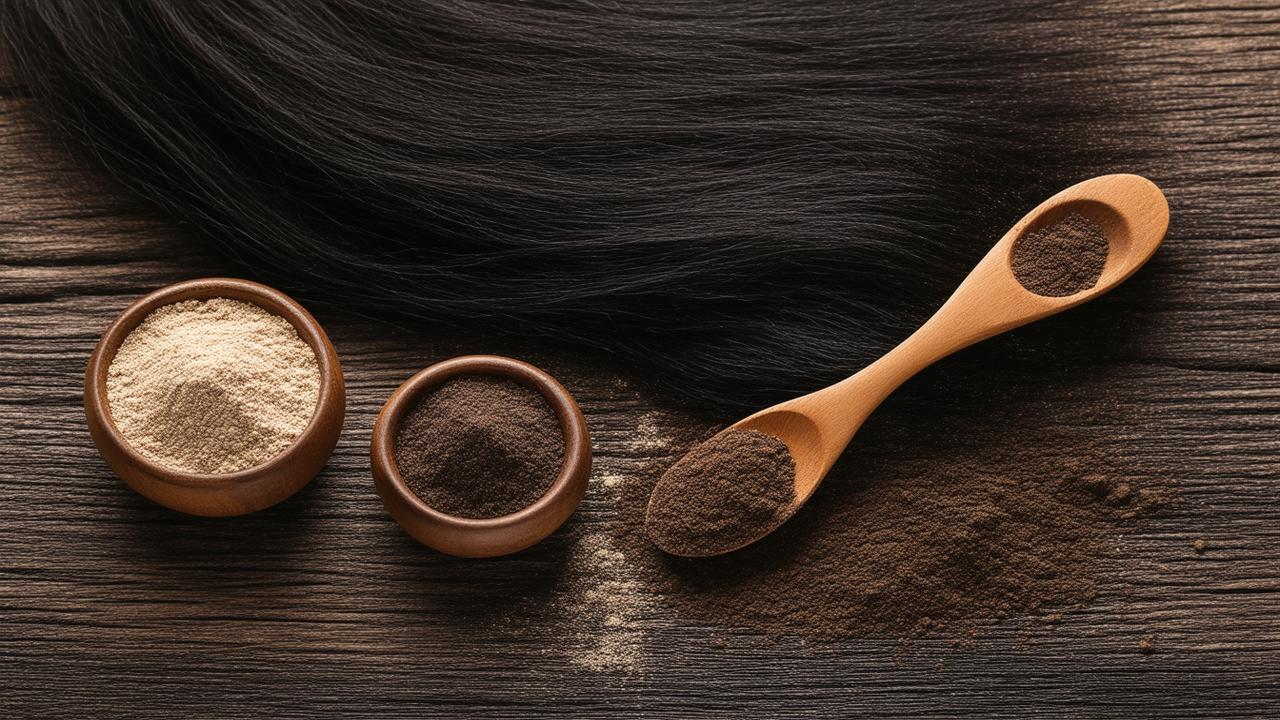
The first time you spot a silver thread glinting in your hair, it doesn’t politely introduce itself. It just appears one morning in the bathroom mirror, picking up the harsh light, looking much shinier and braver than you feel. Maybe you’re brushing your hair before work in Sydney, pulling it into a quick bun before school drop‑off in Brisbane, or smoothing salt‑stiffened curls after a swim at Cottesloe. And there it is. A bright little reminder that time is definitely doing its thing.
The quiet panic of the first grey strand
You pretend not to care at first. You’ve seen all the “silver fox” Instagram posts, the women rocking full grey manes with confidence. You tell yourself you’ll be one of them. But then the greys multiply. They colonise your part line, gather rebelliously at your temples, stand up straighter than the rest, wiry and independent—like they didn’t get the memo about blending in.
So you do what most of us do. You wander into a chemist under those humming fluorescent lights and drift down the hair dye aisle. Row upon row of boxes stare back at you: ash brown, chestnut, warm dark, cool dark, “espresso” that looks suspiciously like “dark brown” with better marketing. You turn one over and read the ingredients list. You hit the wall of letters: PPD, resorcinol, ammonia, fragrance, alcohols. You get a whiff of that unmistakable chemical dye smell from a half‑open box on the shelf and your eyes prickle just slightly.
It’s about then that a thought sneaks in: Surely there’s a gentler way to do this.
A dye that smells like dessert, not a salon
Imagine, just for a moment, that instead of cracking open a box that smells like a swimming pool and a laboratory had a baby, you’re standing in your kitchen in your comfiest trackies. There’s a small saucepan on the stove, a wooden spoon, and the faintly sweet, roasty scent of something you’d happily eat. Outside the kitchen window a magpie calls. The late afternoon light spills across the benchtop. On the counter sit two simple ingredients you probably already have in your pantry.
This isn’t some obscure bush remedy requiring a plant you have to hike three hours into the Daintree to find. It’s modern, it’s simple, and it fits right into an ordinary Australian household: coffee and cocoa. Just those two. Both deep, earthy, dark, and gloriously aromatic. Stirred together, they don’t just make a comforting winter drink—they also make a surprisingly effective, gentle stain for greys.
You’re not bleaching, stripping, or forcing your hair into submission. You’re coaxing colour back into it, the way you’d restore a much‑loved piece of timber with oil instead of paint. It’s subtler, softer, more forgiving. And it smells so good you’ll have to remind yourself not to lick the spoon.
The two-ingredient magic: what’s really happening on your hair
Let’s be clear: coffee and cocoa won’t behave like a high‑lift salon colour. They’re more like watercolours than acrylic paint—layers that deepen and enrich rather than overwrite completely. But that’s exactly why so many people are turning to them to soften the shock of grey, especially in our climate where harsh sun, chlorine, and salt water already push hair to breaking point.
Coffee, rich in dark brown pigments, naturally stains the outer layers of your hair shaft. Cocoa, with its own warm brown tones and natural fats, not only adds depth of colour but also a surprising softness. Together, they give greys a smoky, soft brown wash, help darker hair look more even, and make that “line of demarcation” between dyed hair and regrowth far less obvious.
Is it permanent? No. But for many Australians, that’s the appeal. No obvious regrowth. No all‑or‑nothing commitment. Just a gradual, natural approach you can tweak week by week with a spoon instead of a timer and a chemical developer bottle.
How to make your 2-ingredient homemade grey-covering dye
Here’s a simple starting recipe you can adjust as you get to know how your particular hair responds:
- 6 tablespoons very strong, cooled espresso or plunger coffee (the darker the roast, the better)
- 4 tablespoons unsweetened cocoa powder (good‑quality, dark cocoa if you can)
Optional (but helpful):
- 1–2 tablespoons of a natural conditioner or plain Greek yoghurt (for creaminess and easier spread)
- 1 teaspoon of coconut or olive oil (extra moisture, particularly in drier climates like parts of WA or SA)
In a small bowl, mix the cocoa and coffee until you get a smooth, thick paste—think yoghurt or cake batter, not watery hot chocolate. Add a little more cocoa if it’s too runny, a touch more coffee if it’s too thick. If you’re using conditioner, yoghurt, or oil, stir those in until everything is glossy and even.
Step-by-step: turning your kitchen into a mini hair spa
Before you start, throw an old towel over your shoulders and wear something you don’t love. Coffee stains fabric as happily as it stains hair.
- Start with clean, towel-dried hair. Shampoo as usual, skip heavy conditioner, and gently towel dry until your hair is just damp. This helps the mixture cling.
- Section your hair. Use clips to divide it into four sections—two at the front, two at the back. If you’ve ever watched a hairdresser work, you’ll recognise this trick. It makes a big difference.
- Apply generously. Starting where your greys are most noticeable (often the part line and temples), use your fingers or a dye brush to massage the mixture into your roots, then down the length. You want every strand lightly coated, especially the silvers.
- Wrap it up. Once your hair is fully covered, twist it into a loose bun and pop on a shower cap or wrap it in cling film. This keeps the mixture warm and moist, helping the colour cling better.
- Take your time. Leave it on for 45–60 minutes. Make a cuppa, read, scroll, listen to the rain on the roof or the cicadas in the trees. This isn’t a rushed, fumes‑in‑the‑bathroom process. It’s slower, calmer, oddly grounding.
- Rinse, don’t strip. Rinse well with lukewarm water until it runs clear. Avoid shampoo straight away—just use a light conditioner if needed. Shampoo can wash away too much of the fresh stain.
Once it’s dry, your greys should look softened—less like bright white wires, more like gentle, light brown threads that blend into the rest. And your hair will feel soft, not straw‑like.
What kind of result can you actually expect?
Every head of hair in Australia tells a different story: fine coastal hair that’s always slightly salty, thick wavy hair that never sees a straightener, curly desert‑dry hair that soaks up every drop of moisture. So your exact result will depend on your starting point. But broadly, here’s how this two‑ingredient dye tends to behave:
| Starting Hair | Likely Result After 1–3 Uses | Best Approach |
|---|---|---|
| Naturally dark brown/black with scattered greys | Greys shift to soft light/medium brown; overall tone looks richer and more even | Use weekly at first, then every 2–3 weeks for maintenance |
| Medium brown with light streaks or highlights | Greys blend into caramel‑like tones; highlights appear warmer | Test a strand first; adjust cocoa amount to avoid going too dark |
| Light brown/dark blonde with many greys | Greys become beige‑brown; overall hair takes on a soft, smoky tone | Keep mixture lighter (more coffee, slightly less cocoa); build colour slowly over several uses |
| Previously dyed with permanent dark colour | Regrowth greys soften; harsh line between dye and roots becomes less obvious | Focus on roots and regrowth first; repeat weekly until line is blurred |
The real magic appears after two or three sessions. Each time you apply this dye, a little more pigment lingers, and greys become increasingly shy, stepping back into the overall shade of your hair instead of shouting from the rooftops.
Why Australians are turning to simple, gentle dyes
There’s something very Australian about looking at a cupboard, seeing a couple of ingredients, and thinking, “Yeah, that’ll do the job.” It’s the same spirit that improvises with a beach towel for shade, uses eucalyptus for everything from cleaning to clearing sinuses, and turns a backyard into a makeshift salon during lockdown.
But beyond practicality, there are deeper reasons people here are quietly stepping back from heavy chemical dyes:
- Our harsh sun already batters hair, fading colour and drying it out. Adding aggressive chemicals on top can feel like overkill.
- Scalp sensitivity is on the rise. Many Australians experience itchiness, redness, or headaches after conventional dyes.
- Environmental awareness is growing. Washing chemical dyes down the drain into our waterways doesn’t sit well with many of us anymore.
- Cost and time. Salon visits every four to six weeks add up, especially with kids’ sport weekends, long commutes, or shift work.
This little coffee‑and‑cocoa ritual doesn’t demand appointments or parking or sitting under bright lights making small talk. You can do it on a Sunday afternoon while the footy’s on, between batches of ANZAC biscuits, or after the kids are in bed and the house has finally fallen quiet.
Tips to make your natural dye work even better
To get the most from your two‑ingredient powerhouse, a few simple habits help enormously:
- Be consistent, not perfect. This method is about gentle build‑up. Doing it every week or two matters more than getting the “perfect” mix once.
- Protect your new tone. Wear a hat in strong sun, especially in summer or out on the water. UV bleaches natural and chemical dyes alike.
- Use mild shampoos. Sulfate‑heavy formulas can strip the colour quickly. A gentler shampoo lets the stain hang around longer.
- Love your ends. A few drops of oil on the tips after washing keeps them supple and helps the colour look richer.
- Adjust as you go. Too light? Add more cocoa. Too dark for your liking? Cut the cocoa, bump up the coffee and shorten the processing time.
No one else has your exact mix of hair, lifestyle, water quality, and sun exposure. Think of this as a conversation with your hair, not a one‑time command.
➡️ A psychologist is adamant : “the best stage in a person’s life is the one where they start thinking this way”
➡️ Goodbye Kitchen Islands : Their 2026 Replacement Is A More Practical And Elegant Trend
➡️ Goodbye steaming : the best way to cook broccoli to keep nutrients plus easy recipes to try
➡️ Goodbye hair dyes : the new trend that covers grey hair and helps you look younger
➡️ Behavioral scientists say that people who walk faster than average consistently share the same personality indicators across multiple studies
➡️ Banana peels in the garden: they only boost plants if you put them in this exact spot
➡️ Banana peels in the garden: they only boost plants if you put them in this exact spot
Redefining what “goodbye to grey” really means
“Saying goodbye to grey” doesn’t have to mean declaring war on every silver hair. For some Australians, it means fully embracing a shining silver mane. For others, it means softening the contrast, easing the transition, or simply feeling more like themselves when they catch their reflection in the rear‑view mirror at the traffic lights.
This two‑ingredient homemade dye doesn’t promise to freeze time or erase age. What it offers is something quieter and, in many ways, more powerful: the chance to take back control of how you shift and change, using things that feel familiar and safe. No harsh smell, no stinging scalp, no silent calculation of how many more pays until your next salon appointment.
You stand in your kitchen in Hobart, Darwin, Perth, or a small town somewhere off the Hume. The kettle clicks off. The room smells like a cosy café. Outside, the afternoon heat buzzes or the winter rain taps against the window. You stir coffee and cocoa into a thick, dark paste that will not only sit on your hair, but also quietly rewrite the story you’ve been told about what it means to age.
When you rinse it out, your greys won’t be gone in the dramatic, box‑dye sense. But they’ll have stepped back into the chorus. Your hair will catch the light more softly. And, perhaps most importantly, you’ll know that the change came not from a bottle of chemicals, but from a simple, sensory ritual you created with your own two hands.
Sometimes “goodbye to grey” isn’t a shout. It’s a gentle, cocoa‑scented whisper that says: I choose how this looks. I choose what goes on my scalp. I choose the pace at which I change.
Frequently Asked Questions
How long does the coffee and cocoa dye last?
On most hair, the noticeable effect lasts about 1–2 weeks before it begins to fade. With regular use (weekly or fortnightly), the colour can build and last longer between applications.
Will this completely cover my grey hair?
It usually softens and darkens greys rather than fully erasing them. Expect a blend to light or medium brown tones, not opaque coverage like permanent salon dye.
Is it safe for sensitive scalps?
Most people with sensitive scalps tolerate this mixture well because it lacks harsh chemicals like ammonia and PPD. However, always patch test on a small area of skin first to check for any irritation or allergy.
Can blondes or very light hair use this dye?
Yes, but with caution. Coffee and cocoa will darken light hair and add warm, brownish tones. If you want only a slight shift, use less cocoa, more coffee, and shorten the processing time. Always test a small strand first.
Will it stain my skin, towels, or bathroom surfaces?
It can lightly stain porous materials. Protect clothing and towels, wipe up any splashes straight away, and if it gets on your skin, a bit of cleanser or exfoliating cloth usually removes it easily.
Can I use this if I already colour my hair at a salon?
Yes. Many people use it to soften grey regrowth between salon visits. It won’t lift or lighten existing colour, but it can blur harsh lines and add richness.
How often should I reapply to keep greys disguised?
Once a week is ideal when you’re starting out or if you have a lot of visible greys. After a few applications, you may be able to stretch it to every two or three weeks, depending on how your hair holds colour.





