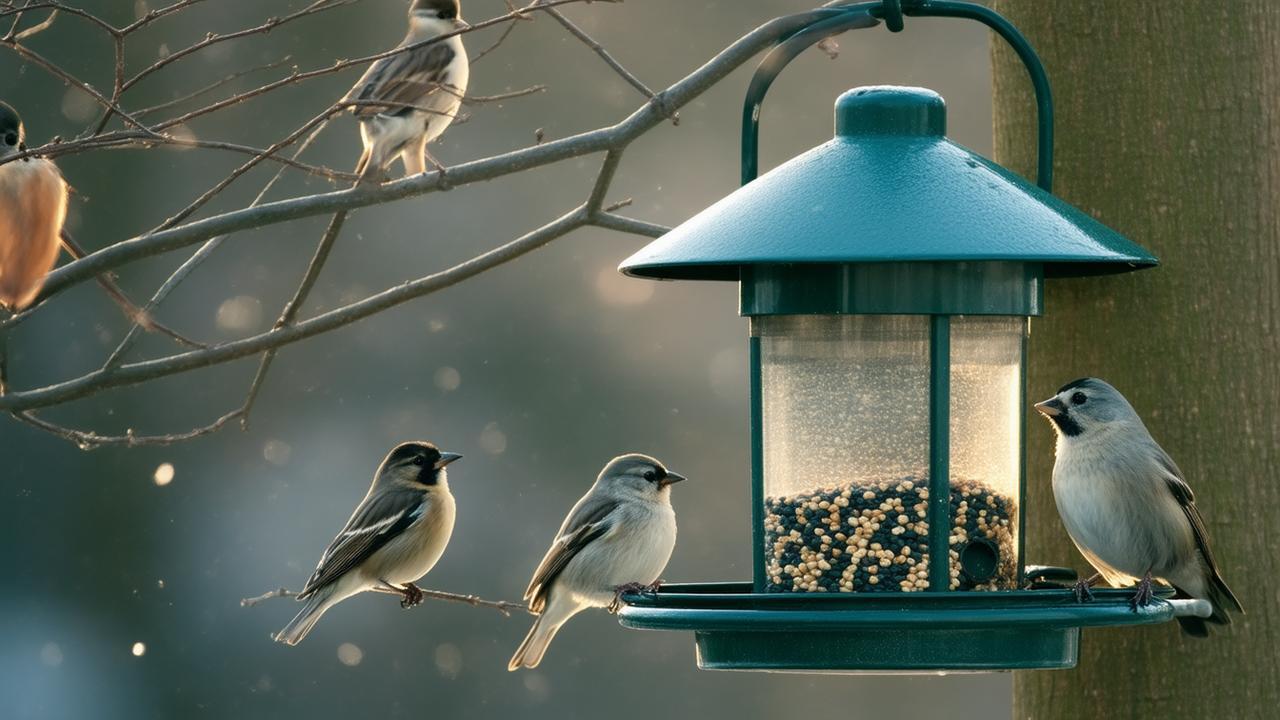
The first time I heard it, I thought I was dreaming. A liquid chorus of warbles and whistles drifted through the open flyscreen, just as the light turned sherbet-orange over the gum trees. It was February, that restless in-between month when summer still presses against the windows but the mornings finally begin to soften. I shuffled out to the back deck in my socks, mug of tea in hand, and there it was: a flurry of feathers, wings, and tiny, impatient feet. Rainbow lorikeets squabbled on the rail, a family of magpies stood like sentries in the grass, and a shy pair of fairy-wrens darted in and out of the grevillea. All of them, every last bird, were there for the same thing—a cheap, home‑made treat I’d started putting out just a week before.
The Quiet Magic of February in an Aussie Backyard
February in Australia is a strange kind of lull. Christmas is a fading memory, school’s back, holidays are over, and the cricket on TV has started to sound like background noise. The heat still hums off the concrete during the day, but dawn has a coolness that wasn’t there in January. For the birds, though, this is no lull at all. It’s a time of hustle.
Summer breeding has taken its toll. Parents are thin from feeding chicks. Juveniles are trying to figure out how to be birds in a world of cats, cars, and magpies that don’t always sing nicely. Natural food can start to wane, flowers finish blooming, and waterholes shrink in the heat. It’s precisely in this awkward, late-summer gap that backyard feeders quietly become the centre of an entire feathered neighbourhood.
And that’s where the February treat comes in—cheap to make, simple to offer, and irresistible to half the birds in your postcode if you do it right.
The One Cheap Treat Bird Lovers Swear By
Ask a circle of Australian bird lovers what they rely on to keep feeders busy in February, and you’ll hear the same answer again and again: a humble mix of seed, soaked grain, and kitchen scraps, shaped into soft, high‑energy “bird balls” or scattered in a shallow tray.
It sounds almost too simple. No fancy imported blends, no scented suet blocks from overseas. Just things you can pick up at your local supermarket, rural supply store, or already have in your pantry: rolled oats, mixed birdseed, a bit of stale wholemeal bread, maybe a spoon of natural peanut butter, and a handful of finely chopped veggie scraps. For insect-lovers or magpies, it might be a mix of minced meat (used sparingly and responsibly), soaked dog kibble, or a few mealworms. For seed-lovers, it’s all about sunflower seeds, millet, and cracked corn.
Done right, this backyard buffet is like a local café that never closes. Every morning, just as the sky blushes and the first cars start on the street, birds will arrive to check “their” spot. And when they find it paid out—again—they add your address to their mental map of safe, reliable places. The traffic only increases from there.
Why This Simple Mix Works So Well
Birds aren’t just grabbing random calories. They’re hunting for high-energy food that’s easy to eat and safe to access. In February, when days are still hot and long, quick energy matters. The seed-and-grain treat you put out does three crucial things:
- Replaces energy fast – Carbs and fats from seeds and grains give birds a quick refill after a long night.
- Supports growing juveniles – Young birds learning to forage get an easy stepping stone between begging and wild feeding.
- Builds routine – Putting the treat out at roughly the same time teaches birds that your yard is part of their daily circuit.
And because the ingredients are cheap and easy to store, you’re not rationing every handful. That consistency is what transforms a random visit into a dependable, morning rush hour of feathers.
What Australian Birds Turn Up for the Feast?
Stand quietly with your cuppa near a well‑placed feeder in February, and you can almost read the time by which species turn up. Different birds favour different treats, and once you tune into that, your backyard becomes a kind of informal bird observatory.
| Bird | Preferred Treat | Where You’ll Often See Them |
|---|---|---|
| Rainbow lorikeet | Fruit pieces, lorikeet mix, nectar-friendly blends (never dry seed alone) | Hanging trays, railings, fruit skewers |
| House sparrow & finches | Small mixed seed, millet, crushed grain | Tray feeders, ground near shrubs |
| Magpie & butcherbird | Soaked dog kibble, occasional lean mince, mealworms | Open lawn, low platforms |
| Crested pigeon & doves | Scattered mixed seeds, cracked corn | Ground feeding areas |
| Fairy-wren & small bush birds | Fine seed, tiny insect pieces, mealworms, crumbs | Low shrubs, sheltered ground edges |
Of course, who actually turns up depends on where you live. Suburban Brisbane might give you lorikeets, noisy miners, and friarbirds. A Melbourne courtyard may host red-browed finches and wattlebirds. In regional WA, you might see galahs marching in like pink, bossy soldiers. But the principle is the same: cheap, regular offerings bring diversity.
Making the Treat at Home (Without Overthinking It)
You don’t need a recipe book. You need a mixing bowl, a sense of balance, and a bit of common sense about what’s safe. Here’s a simple, flexible approach many Australian bird lovers use and adapt:
- Start with a base – Rolled oats or wholemeal breadcrumbs.
- Add seed – A scoop of generic mixed birdseed from the supermarket or stock feed store.
- Bind it – A little water, or for firmer balls, a spoon of natural peanut butter (unsalted, no additives) or a drizzle of vegetable oil.
- Boost it – Finely chopped veggie scraps, apple cores, or a few mealworms for insectivores.
- Shape or scatter – Roll into small clumps or just spread loosely in a shallow dish or tray.
Serve it early in the morning, when birds are most active and the day is still cool enough to keep food fresh. Remove leftovers later in the day, especially if you’ve used anything moist, so you’re not inviting rats, ants, or spoilage.
Doing It the Right Way: Healthy, Ethical Feeding
There’s a difference between being a bird lover and being a bird helper. In Australia, where native wildlife faces constant pressure from habitat loss, windows, pets, and heatwaves, backyard feeding can be a small act of care—but only if it’s done with their long‑term health in mind.
Key Principles Australian Bird Carers Live By
- Supplement, don’t replace – The cheap treat is a top‑up, not a full diet. Birds should still rely mostly on wild foods: flowers, insects, seeds, and native fruits.
- Avoid junk – No bread-only feeding, no salty chips, no processed meat, no sugary cereals. They’re as bad for birds as they are for us, often worse.
- Keep it clean – Wash feeders and trays regularly. Dirty feeding areas spread disease fast, especially where doves, pigeons, and parrots gather.
- Fresh water matters – A shallow, regularly topped-up bird bath is often more valuable than any food. In February heat, water is life.
- Watch who dominates – If one aggressive species bullies everything else away, adjust where and how you feed. Multiple small feeding spots can help.
It’s tempting to keep piling on more food when the crowd grows, but restraint is part of the job. The goal is to help them thrive in your area, not turn them into tame beggars dependent on your pantry.
Creating a February Ritual: Birds, You, and the Morning Light
Somewhere along the way, the cheap treat stops being about the birds alone. It becomes a kind of ritual that shapes your day too. It’s you tiptoeing out before work, feeling the bare boards under your feet, the air not yet hot, listening for that first magpie carol or lorikeet squawk. It’s the brief pause, the slow breath, the tiny moment of noticing you give yourself before emails and traffic and to-do lists take over.
The birds learn your habits faster than you’d think. They’ll start showing up at roughly the same time every morning, perched on the fence or the washing line, cocking their heads as you step outside, wings shifting with anticipation. And there’s something quietly grounding about that—a wild world that not only tolerates your presence, but weaves you into its daily pattern.
You don’t need acreage or a sprawling bush block, either. A balcony in Sydney, a townhouse courtyard in Adelaide, a tiny unit in Perth with a single sturdy pot plant—all can host visiting birds with a little creativity. A narrow rail can hold a shallow dish. A hanging tray can sway from a balcony beam. A pot of native flowering shrubs can turn a bare corner into a nectar station.
From One Bag of Seed to a Backyard Sanctuary
That cheap February treat—the one bag of seed, the handful of oats, the crusts you would have thrown in the bin—often ends up being the gateway to something bigger. You start to notice which birds prefer what. You start swapping notes with neighbours: “Did you see the galahs this morning?” You plant a grevillea instead of a generic hedge. You add a second water bowl on the ground for the smaller birds. You move the feeder a little closer to some shrubs so the wrens feel safer.
➡️ Boiling rosemary is a simple home tip I learned from my grandmother, and it can completely transform the atmosphere of your home
➡️ A Nobel Prize–winning physicist says Elon Musk and Bill Gates are right about the future : we’ll have far more free time: but we may no longer have jobs
➡️ Goodbye Kitchen Islands : their 2026 Replacement Is A More Practical And Elegant Trend
➡️ Goodbye to the air fryer as a new all-in-one kitchen device introduces nine cooking methods that go far beyond basic frying
➡️ A psychologist is adamant : “the best stage in a person’s life is the one where they start thinking this way”
➡️ Goodbye Kitchen Islands : Their 2026 Replacement Is A More Practical And Elegant Trend
➡️ Goodbye steaming : the best way to cook broccoli to keep nutrients plus easy recipes to try
Slowly, your backyard reshapes itself around a simple question: What would make this place better for them? Trees become more than shade. Dead branches become potential perches. Spiders in the corner are suddenly respected because they’re on someone’s breakfast menu. And that cheap February treat that first lured them in? It becomes part of a bigger, wilder story playing out right outside your door.
When next February rolls around and the air turns soft at dawn again, you’ll know they’ll be there. The magpies striding in like they own the lawn. The lorikeets landing with a flurry of green and orange. The tiny, nervous finches skittering around the edges. All of them arriving because you decided, once, to sprinkle a handful of seed and see who showed up.
And on those mornings when you’re not quite ready to face the day, when the news feels heavy and the heat is already building, you’ll step outside with your mug, listen to that rising chorus, and feel, if only for a moment, like you’re exactly where you’re meant to be—part of a backyard gathering that began with nothing more than a cheap treat, a bit of curiosity, and the quiet hope that the wild things might come closer.
Frequently Asked Questions
Is it okay to feed wild birds in Australia?
It can be okay if done thoughtfully. Feeding should supplement natural foraging, not replace it, and food must be safe, fresh, and offered in clean containers. Providing water and native plants is often even more beneficial than food alone.
What is the cheapest safe food to offer birds in February?
Mixed birdseed, rolled oats, and small amounts of wholemeal bread crumbs are inexpensive and widely available. Combine them with a little water or natural peanut butter and, where appropriate, a few veggie scraps or mealworms.
How often should I put food out?
Once a day, ideally in the early morning, is usually enough. This keeps birds visiting regularly without making them dependent. Remove uneaten food later in the day to avoid pests and spoilage.
Can I give birds bread and leftovers?
Small amounts of wholemeal bread mixed into a more nutritious blend is usually fine, but bread alone is poor nutrition. Avoid anything salty, sugary, fried, mouldy, or heavily processed.
How do I avoid attracting rats and pests?
Offer small amounts of food at a time, clean up leftovers, use raised feeders rather than scattering large piles on the ground, and avoid leaving food out overnight. Keeping the feeding area clean is crucial.
Will feeding birds make them aggressive?
Some species, like noisy miners or lorikeets, can become dominant at feeders. You can reduce aggression by using multiple small feeding stations, spacing them apart, and offering different types of food in different locations.
What else can I do for birds besides feeding them?
Plant native shrubs and trees, provide fresh water in bird baths, reduce pesticide use, keep cats indoors or supervised, and leave some leaf litter and natural “mess” in your garden for insects and shelter. These steps support birds far beyond a single season.





