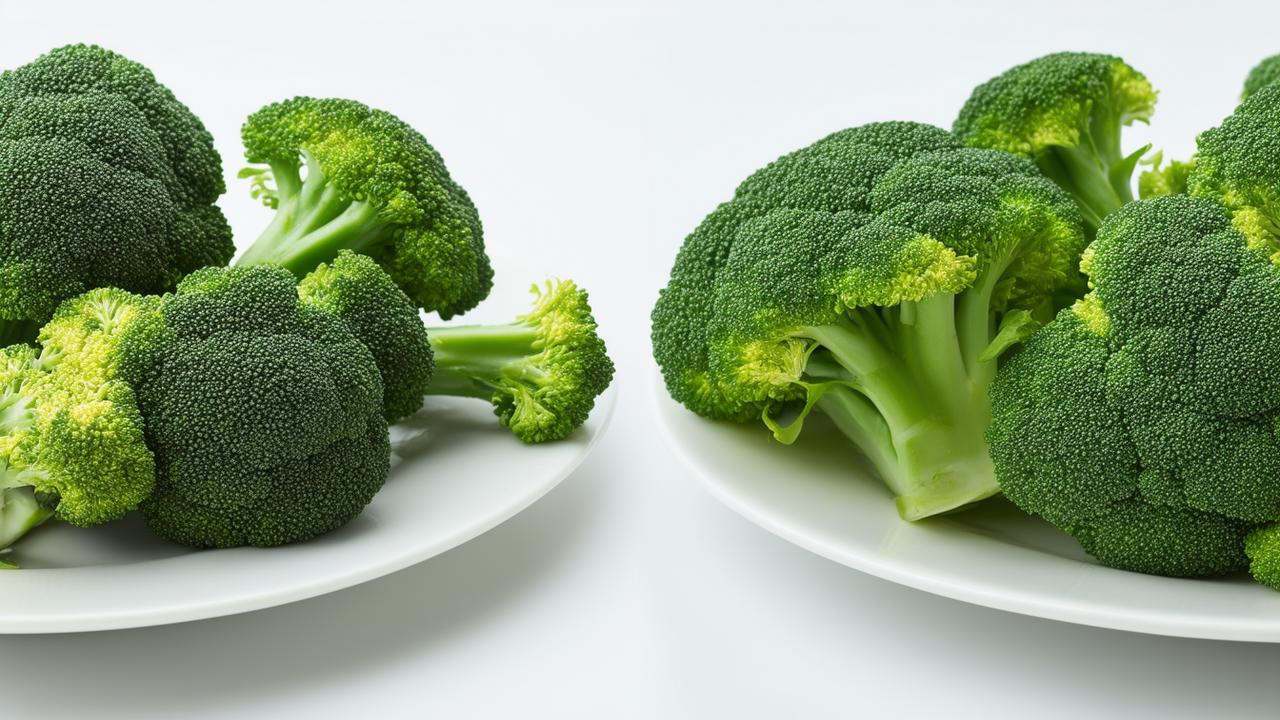
The broccoli came home buried under a tumble of cherry tomatoes and a blushing mango, its florets peeking out of the green bag like small, hopeful trees. You toss it on the kitchen bench, peel off your shoes, and glance at the clock. It’s Tuesday, edging towards 7pm, and you’re already picturing the old routine: kettle on, steamer basket out, broccoli in, lid clamped down. Five minutes later, it’ll be that familiar limp, khaki green. Good enough, you tell yourself. It’s healthy… right?
But somewhere between the supermarket aisle and the sink, a question nudges you: is steaming really the best way to cook this little forest of goodness? Or have we been quietly leaching away precious nutrients in our clouds of virtuous steam?
The quiet truth about steaming (and why it’s time to rethink it)
For years, steaming has worn the crown as the “healthy” way to cook veggies. No oil, no browning, no drama. Just clean, green, and supposedly perfect. But when we zoom in on broccoli, that bright, slightly grassy-tasting superhero of the veggie world, the story gets more interesting.
Broccoli is famous for its vitamin C, folate, fibre, and a special set of plant compounds called glucosinolates, which convert into sulforaphane – the much-hyped compound linked to supporting our body’s natural detox pathways and potentially helping to protect against certain cancers. It’s a heavy-hitter for something that costs a few dollars a head at Woolies or Coles.
The catch? Many of these nutrients, particularly vitamin C and some of those delicate plant compounds, are sensitive – to heat, water, and time. Steaming is better than, say, boiling broccoli into oblivion, but newer research suggests it might not be the undisputed champion we once thought, especially if it goes on a bit too long or the florets are cut small and fully exposed to the heat.
So if the old faithful methods are not quite as saintly as we’d hoped, what is the best way to cook broccoli if you want to hang on to as many nutrients as possible, without resigning yourself to raw, crunchy florets forever?
Goodbye steaming: say hello to light sauté and quick pan-cooking
For Australian home cooks, the sweet spot seems to be this: short cooking times, minimal water, and gentle heat. In practice, that often means a quick sauté or stir-fry, a brief pan-steam, or a light microwave cook with just a splash of water.
Think of it as halfway between raw and overcooked: broccoli that’s still bright, still a little firm to the bite, but warmed through and tender at the stalk. The kind that squeaks slightly as you chew and floods your mouth with that sweet, nutty-green flavour.
Here’s the simple science behind why this works:
- Less water = fewer nutrients lost. Vitamin C and some B vitamins are water-soluble. When broccoli sits in lots of water (like boiling), they escape into the pot. Quick pan-cooking uses very little liquid, so more goodness stays inside the florets.
- Shorter cooking time = more intact compounds. The longer broccoli is exposed to heat, the more nutrients break down. Fast cooking – a few minutes only – helps preserve both vitamins and those special sulfur compounds.
- Gentle heat = structure and crunch. Keeping the broccoli just-tender means you don’t destroy the plant’s natural enzymes as quickly, and you’re more likely to enjoy it… and come back for seconds.
So no, you don’t have to resign your steamer basket to the back of the cupboard forever. But for most weeknights, especially if you care about getting the biggest nutritional bang for your bite, a quick pan-cook is your new best friend.
How Aussies really cook broccoli (and what’s actually best)
In kitchens from Darwin to Hobart, broccoli turns up in all sorts of guises: tossed into stir-fries with garlic and ginger, folded through pasta, roasted with olive oil and salt, or microwaved as a last-minute side when the sausages are already on the plate.
Here’s how some of the most common methods stack up when you’re chasing both flavour and nutrition:
| Cooking Method | Nutrient Friendliness | Texture & Flavour | Best For |
|---|---|---|---|
| Boiling | Least ideal – water leaches vitamin C & some B vitamins | Often soft, can turn mushy and dull green | Soups & purees where you use the cooking water |
| Long Steaming | Better than boiling, but over-steaming still reduces nutrients | Soft, mild, sometimes bland | Gentle meals, older kids & those who prefer softer veg |
| Quick Sauté / Stir-fry | Excellent – minimal water, short time | Crisp-tender, vibrant, slightly nutty | Weeknight dinners, stir-fries, side dishes |
| Roasting | Good – some heat loss of vitamin C, but minimal water | Caramelised edges, deep flavour | Trays with pumpkin, carrots & Sunday roasts |
| Microwaving (with a splash of water) | Very good – fast, minimal water, gentle overall | Bright green, tender, clean flavour | Quick lunches, office meals, time-poor nights |
From a nutrient point of view, quick sautéing, light microwaving, and short roasting are the quiet heroes. If you’ve been steaming broccoli until it slumps, it might be time to turn down the heat and switch to something a little snappier.
Broccoli basics: simple steps to lock in goodness
Before we dive into recipes, a few tiny tweaks can make a big difference – no nutrition degree required, just a chopping board and a bit of patience.
1. Chop, then pause
When you slice or chop broccoli, you’re breaking its cells open and activating an enzyme called myrosinase, which helps form sulforaphane – the compound everyone gets excited about. Give chopped broccoli around 30 minutes resting on the board before cooking, and you give that enzyme a chance to do its work.
In practice: get home, unpack the shopping, chop the broccoli first, then move on to everything else. By the time you’re ready to cook, it’s had its little enzyme party.
2. Keep the stalks
Those chunky pale-green stalks? They’re edible, sweet, and full of fibre. Peel the tough outer layer with a veggie peeler and slice the inner stalk into thin rounds. They cook beautifully and help reduce waste – which feels good when groceries in Australia aren’t exactly cheap these days.
3. Don’t overcook
Whether you’re sautéing, roasting, or microwaving, aim for bright green and just-tender. If the colour turns army green and the florets sag, you’ve gone too far. Err on the side of slightly under, and remember: broccoli will continue to soften a little after you take it off the heat.
Easy, nutrient-smart broccoli recipes for Australian kitchens
Here are a few weeknight-friendly ideas that keep broccoli’s goodness front and centre – no complicated ingredients, just the sort of things you’re likely to have in your fridge or pantry.
Recipe 1: Quick garlic broccoli in the pan
Perfect alongside grilled fish, snags, or a simple piece of steak.
Ingredients (serves 3–4):
- 1 large head of broccoli
- 1–2 cloves garlic, finely sliced
- 1–2 tbsp extra virgin olive oil
- Pinch of chilli flakes (optional)
- Sea salt and cracked black pepper
- Squeeze of lemon juice
Method:
- Chop the broccoli into small florets and slice the peeled stalk. Leave on the board for 20–30 minutes if you can.
- Heat olive oil in a large pan over medium-high heat.
- Add garlic and chilli flakes; cook for about 30 seconds until fragrant, not brown.
- Toss in the broccoli, season with salt and pepper, and stir to coat in the garlicky oil.
- Add 2–3 tablespoons of water, cover with a lid, and let the broccoli steam in the pan for 2–3 minutes.
- Remove the lid and cook for another 1–2 minutes, stirring, until the water has mostly evaporated and the broccoli is bright green and crisp-tender.
- Finish with a squeeze of lemon and a touch more olive oil if you like.
You end up with broccoli that’s lightly steamed and lightly sautéed – a hybrid method that keeps nutrients high and flavour even higher.
Recipe 2: Roasted broccoli with Aussie pantry crunch
Great on a tray with other veg or piled over cooked brown rice or quinoa.
Ingredients (serves 4):
- 1–2 heads broccoli
- 2 tbsp extra virgin olive oil
- 1 tsp smoked paprika or sweet paprika
- 2 tbsp slivered almonds or roughly chopped macadamias
- Sea salt and pepper
- Optional: grated parmesan or a sprinkle of nutritional yeast
Method:
- Heat your oven to 200°C (fan 180°C).
- Cut broccoli into small florets; slice the stalk thinly. Let it sit while the oven heats.
- Spread broccoli on a baking tray. Drizzle with olive oil, sprinkle with paprika, salt, and pepper. Toss to coat.
- Roast for 12–15 minutes, tossing once, until the tips are slightly charred and the stalks are tender.
- In the last 3–4 minutes, scatter the almonds or macadamias over the tray so they toast lightly.
- Finish with a bit of grated parmesan or nutritional yeast just before serving.
Roasting does cost you a little vitamin C, but the trade-off is a deeper flavour that often wins over kids and veg-sceptics. Better to eat a big serving of roasted broccoli than push steamed broccoli sadly around the plate.
➡️ A psychologist is adamant : “the best stage in a person’s life is the one where they start thinking this way”
➡️ Goodbye Kitchen Islands : Their 2026 Replacement Is A More Practical And Elegant Trend
➡️ Goodbye hair dyes : the new trend that covers grey hair and helps you look younger
➡️ Behavioral scientists say that people who walk faster than average consistently share the same personality indicators across multiple studies
➡️ Banana peels in the garden: they only boost plants if you put them in this exact spot
➡️ Banana peels in the garden: they only boost plants if you put them in this exact spot
➡️ A retiree who lent his land to a beekeeper is told to pay farm taxes “I earn nothing from this,” he says, as the ruling sparks a heated national debate
Recipe 3: Five-minute microwave broccoli with tahini drizzle
Ideal for work lunches or as a quick side when you’re not up for much cooking at all.
Ingredients (serves 2):
- 1 small head broccoli
- 2 tsp water
- 1 tbsp tahini
- 1 tsp lemon juice
- 1 tsp soy sauce or tamari
- 1–2 tsp water, extra, to thin
Method:
- Chop broccoli into bite-sized pieces; place in a microwave-safe bowl with 2 tsp water.
- Cover with a microwave-safe plate or lid.
- Microwave on high for 2–4 minutes, depending on your microwave and how crunchy you like it. Check after 2 minutes.
- Meanwhile, whisk tahini, lemon juice, soy sauce, and extra water in a small bowl to make a pourable sauce.
- Drizzle the sauce over the hot broccoli and toss to coat.
Microwaving with a tiny amount of water is one of the most under-rated ways to keep nutrients intact. It’s quick, energy-efficient, and ideal when the weather is too hot to turn on the oven – which, in much of Australia, is often.
Bringing it back to the plate (and the bigger picture)
Cooking broccoli “perfectly” isn’t about obsessing over every vitamin – it’s about striking a balance between nourishment and joy. If you love the gentle softness of lightly steamed broccoli and that’s the way your kids will eat it, you don’t need to ban the steamer from the house.
But if you’re chasing that sweet spot – the most nutrition in every mouthful, the kind of texture that makes you want to spear another floret, the flavours that stand up to a juicy lamb chop or a bowl of garlicky pasta – then saying a quiet goodbye to long, soggy steaming is a powerful shift.
Try chopping and resting your broccoli. Try that quick pan-sauté, or the five-minute microwave trick before work. Taste the difference between limp and lively. Let the broccoli keep its bite, its colour, its character.
Because in the end, the best way to cook broccoli isn’t only the one that keeps the most nutrients. It’s the way that has you reaching for it again tomorrow night, and the night after that – turning this everyday green into something you actually look forward to seeing in the crisper drawer.
FAQs about cooking broccoli and keeping nutrients
Is steaming broccoli really bad for nutrients?
Not at all – steaming is still better than boiling. The issue is over-steaming. If broccoli is cooked until very soft, you’ll lose more vitamin C and some beneficial compounds. Short, light steaming is fine; quick pan-cooking or microwaving can be even better.
Is raw broccoli healthier than cooked?
Raw broccoli keeps all its vitamin C and enzymes, but it’s not automatically “better”. Lightly cooked broccoli can be easier to digest, and some people eat more of it when it’s cooked. A mix of raw (in salads) and lightly cooked across the week is a practical, healthy approach.
What is the single best way to cook broccoli for nutrients?
In everyday home cooking, quick sautéing or microwaving with a little water are among the best options. They’re fast, use minimal water, and preserve colour, crunch, and a lot of nutrients.
How long should I cook broccoli?
For crisp-tender broccoli:
- Sauté or stir-fry: about 4–6 minutes
- Microwave: 2–4 minutes
- Roast: 12–15 minutes at 200°C
- Steam: 3–5 minutes
Stop when it’s bright green and just tender.
Do I really need to let chopped broccoli rest before cooking?
Letting it sit for about 30 minutes after chopping can help maximise sulforaphane formation. It’s not essential, but it’s an easy bonus step if you have the time.
Is it okay to cook broccoli in the microwave at work?
Yes. Microwaving with a splash of water is a nutrient-friendly method. Just cover the bowl, cook briefly, and air out the kitchen if the smell bothers colleagues.
Can I cook broccoli ahead of time and reheat it?
You can, but each reheating step can mean a little more nutrient loss and softer texture. If you meal prep, undercook the broccoli slightly, store it in the fridge, and reheat gently – or eat it cold in salads or grain bowls.





