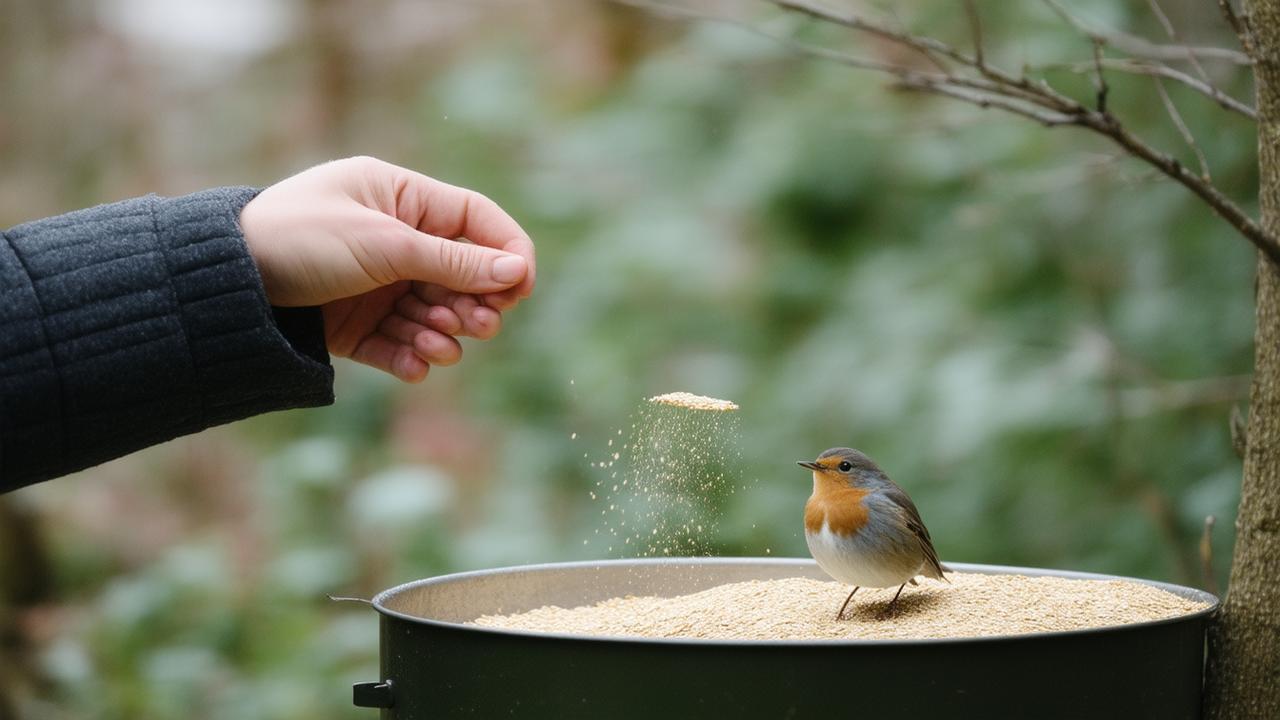
The first time you really notice a robin in your garden, it’s rarely because of its song. It’s usually that flash of warm orange-red, a tiny ember flickering against the green of your lawn or the grey of a gum trunk. You pause, maybe mid‑coffee on the back step, and there it is: small, bright-eyed, head tilted as if it’s weighing you up just as curiously as you’re watching it. In that brief, ordinary moment — the washing machine humming inside, the traffic a low murmur beyond the fence — something quiet and miraculous is happening. A wild bird has decided your patch of earth is worth visiting.
The quiet neighbours in our Aussie backyards
Across Australia, from the coastal suburbs of Sydney to the chilly hills of Tasmania and the dry fringes of the outback towns, robins slip in and out of our gardens without most of us even realising. They’re not just one bird, either. Here we have our own clan of robins — the cheeky Flame Robin with its burning chest, the delicate Pink Robin haunting the understorey, the familiar scarlet-breasted Red-capped Robin of inland woodlands. Even though we might call them “robins” like the British bird on Christmas cards, our Australian robins are their own ancient lineage, perfectly adapted to this sunburnt continent.
They watch from fence posts and pergola rails, from the lower branches of eucalypts and bottlebrushes, flicking down to the ground and back up again like little yo-yos of colour. To them, your lawn is not just grass; it’s a hunting ground. That messy bed of mulch under the lemon tree? It’s a smorgasbord of beetles, moths, and tiny spiders.
But for all their quiet presence, life is not easy for robins. Habitat loss, cats, heatwaves, and long dry spells have tilted the odds against them. The RSPCA, along with other wildlife advocates, has been sounding a gentle alarm: the everyday birds we take for granted are under increasing pressure. And they’re asking us to do something remarkably simple — the kind of action that begins not in a conservation lab, but in your pantry.
The kitchen staple the RSPCA wants you to share
When the RSPCA urges people with robins in their gardens to “put out this simple kitchen staple”, they’re not talking about anything fancy, expensive, or exotic. They’re talking about the one thing almost every Australian household has lurking in the cupboard or fridge: plain, unseasoned protein — especially egg.
Cooked egg — hard‑boiled, scrambled without milk or salt, or even a simple omelette chopped into tiny pieces — can be a lifesaver for small insect‑eating birds like robins, especially during tough times. Long dry spells bake the soil so hard that worms and grubs retreat far beneath the surface. Heatwaves silence insect life. Fires strip back undergrowth and leaf litter. Nesting season stretches parents thin as they flit back and forth from hungry chicks. During those periods, a bit of easily accessible, high‑protein food can make the crucial difference between survival and exhaustion.
Egg is close in nutrition to the animal foods robins naturally eat. It’s rich in protein and fats, without the heavy salt, sugar, and preservatives that cling to so much human food. For a bird built to snatch caterpillars and tiny beetles from the ground, a couple of pea‑sized morsels of egg are a familiar kind of meal — just easier to catch.
This isn’t about turning wild birds into pets or fast‑food addicts. It’s a targeted, mindful way to lend a hand during harsh conditions: drought, extreme heat, post‑fire landscapes, or the intense energy demands of breeding season. Think of it as topping up the ecological pantry when nature’s shelves are running bare.
How to feed robins safely (and responsibly)
If the idea of feeding wild birds makes you a little uneasy, you’re not alone. Many Australians have grown up with mixed messages: feed the lorikeets here, don’t feed the magpies there, birdseed is fine, bread is bad. The RSPCA’s position is careful and nuanced: feeding can help, but only when done in ways that support natural behaviour, not replace it.
With robins, that means a few simple guidelines:
Keep it plain and simple
Use plain, cooked egg. No salt, no oil slick, no butter, no cheese, no seasoning. Hard‑boiled is ideal: easy to handle, easy to chop. Scrambled without extras is also fine. Let it cool to room temperature before putting it out. Avoid processed meats like bacon or ham, and skip anything salty, spicy, or greasy.
Serve it the “bird way”
Robins are ground feeders and perch hunters. They like to dart down, grab, and flick back up to a safe vantage point. Place tiny pieces of egg — no bigger than a pea — on a flat, clean surface: a shallow dish, a smooth rock, or a low bird table. Keep it away from dense shrubs where cats can lurk, and away from windows to reduce collision risks.
Small, occasional, and timed
Think of this as a snack, not a buffet. Offer a few pieces at a time and only during periods when natural food is scarce or energy demands are high — such as prolonged heatwaves, drought, or when you see adults frantically feeding chicks. Put food out at cooler parts of the day: early morning or late afternoon. Remove leftovers after about 30 minutes to prevent spoilage and to avoid drawing in pests.
Cleanliness is kindness
Dirty feeding spots can become hotspots for disease. Wash and dry dishes daily. Rotate where you place food so droppings don’t build up in one patch. If you notice sick birds — puffed up, lethargic, or with crusty eyes — pause all feeding and contact your local wildlife carer or vet for advice.
| Do | Don’t |
|---|---|
| Use plain, cooked egg in tiny pieces | Use salted, buttered, or seasoned food |
| Offer small amounts, occasionally | Provide constant, unlimited food |
| Place food on a clean, safe surface | Throw food directly on soil or near hiding spots for cats |
| Clean bowls or plates daily | Let old food sit, sour, or attract pests |
| Use feeding as a backup during harsh conditions | Replace natural habitat with permanent hand‑outs |
Beyond the egg: turning your garden into robin country
A morsel of egg might get a robin through a heatwave. But the real magic happens when your garden starts to function like proper habitat, not just a decorative outdoor room. Robins are, at heart, creatures of structure and shelter. They thrive where there’s a patchwork: open spaces for hunting, low shrubs for cover, taller trees for perching and nesting.
Imagine your garden from a robin’s eye view. There’s the clipped lawn — not very exciting. But over by the fence, a small native hedgerow hums with insects: tea‑tree, bottlebrush, grevillea. Beneath them, a layer of leaf litter and mulch harbours beetles and spiders. A bird bath, shallow and cleaned regularly, glints invitingly in the shade. Suddenly, your backyard isn’t just “tidy”; it’s alive.
Here are some simple, robin‑friendly choices you can fold into normal gardening:
- Plant natives: Local shrubs and small trees attract the insects robins love. Think along the lines of callistemons, leptospermums, wattles, and small eucalypts suitable for suburban blocks.
- Leave a “wild corner”: A patch of leaf litter, fallen twigs, and natural mulch provides rich hunting grounds. Not every space needs to be raked and clipped.
- Add water: A shallow dish, set in a sheltered but visible spot, can be life‑saving in Australian summers. Change the water daily.
- Think vertically: Layers of plants — groundcovers, mid‑level shrubs, and small trees — create the three‑dimensional habitat that insect‑eating birds love.
- Control cats: Keep cats indoors or in secure runs, especially at dawn and dusk when robins are most active. Bells on collars are not enough.
When you do all this, that little offering of egg becomes less of a crutch and more of a kindness — a way of smoothing out the extreme edges of a changing climate, while your garden does the real heavy lifting.
A moment of connection, over the back fence
There’s something unexpectedly intimate about hand‑feeding the wild, even at a distance. You place the food and step back. The garden quiets. A magpie warbles from next door. A hot northerly rattles the leaves. Then a streak of colour appears at the edge of your vision. The robin lands, head cocked, weighing the risk. Its tiny claws grip the edge of the dish. A quick dart, a prize taken, and it’s gone again — up to a branch, out of sight, or onto the fence post to deliver the meal to a nest you’ll never see.
➡️ These zodiac signs are destined for major prosperity in 2026, according to astrological forecasts
➡️ The RSPCA urges anyone with robins in their garden to put out this simple kitchen staple to help birds cope right now
➡️ What you see is not a ship : at 385 metres long, Havfarm is the world’s largest offshore salmon farm
➡️ “I used to multitask constantly,” this habit helped me stop without effort
➡️ Workers in this role often earn more by becoming specialists rather than managers
➡️ If you want a happier life after 60 be honest with yourself and erase these 6 habits
➡️ Most people store cables incorrectly, this method keeps them accessible
In that heartbeat, you are part of a chain that stretches far beyond your back fence: from the insect‑rich forests that once covered much of this land, to the patchy fragments that remain, to the islands of life we try to create in our cities and towns. You begin to see your garden not as a private possession, but as a shared space — a small, important piece of a vast, struggling web.
The RSPCA’s call to put out a simple kitchen staple for robins isn’t about turning us all into full‑time wildlife carers. It’s about shifting how we see ourselves in relation to the animals we live alongside. It says: you are not helpless. Even on an ordinary Tuesday, with kids’ lunch boxes to pack and emails to answer, you can take sixty seconds to boil an extra egg, chop a corner of it into tiny pieces, and lay it out for the birds whose songs soften the edges of your day.
Australian robins have persisted through droughts, fires, and the slow rearranging of landscapes over millennia. But they now live in a world where those challenges are amplified by us — our roads, our pesticides, our roaming pets, our appetite for neatness. Offering them a little protein in a lean season, and a more welcoming backyard year‑round, is one small way of paying our dues.
Next time you spot that flicker of orange or pink against the green, take a moment. Watch how carefully the bird moves. Notice its bright, beady concentration, the quick flex of wings, the soft tick call it makes to its mate. Then step inside, open the pantry, and remember: sometimes, looking after the wild starts with nothing more complicated than an egg.
Frequently Asked Questions
Is it really okay to feed wild robins in Australia?
Yes, as long as it’s done thoughtfully and in moderation. The RSPCA advises that occasional feeding with appropriate food, like plain cooked egg, can help birds during harsh conditions. The goal is to supplement natural food, not replace it, and to pair feeding with habitat‑friendly gardening.
What kind of egg should I use, and how do I prepare it?
Use plain chicken egg, cooked thoroughly. Hard‑boiled is ideal because it’s easy to chop into small pieces. Avoid adding salt, oil, butter, milk, or seasoning. Let the egg cool to room temperature before offering it to birds.
How often should I feed robins in my garden?
Keep it occasional and responsive to conditions. You might offer a few small pieces once a day during heatwaves, droughts, or breeding season, then scale back or stop once natural insect activity increases. Regularly monitor how much is eaten and avoid overfeeding.
Can I feed them bread or birdseed instead?
Bread is not recommended; it’s low in nutrients and can cause health issues when eaten in large amounts. Most commercial birdseed mixes are better suited to seed‑eaters like finches, pigeons, or parrots, not insect‑eaters like robins. For robins, plain cooked egg and a healthy insect‑rich garden are far more suitable.
Will feeding robins make them dependent on humans?
If feeding is occasional, small‑scale, and paired with good habitat, birds are unlikely to become dependent. Problems arise when animals are provided with constant, abundant food that replaces natural foraging. Keep your offerings modest and intermittent so robins continue to rely primarily on wild food.
What if other birds or animals eat the egg first?
It’s normal for other small birds to share the food. To reduce competition, put out very small amounts at a time and observe who visits. If aggressive species dominate or if you notice rats or other pests, scale back feeding, remove leftovers promptly, and focus on habitat improvements instead.
How else can I help robins and other small birds in my area?
Plant local native species, keep a clean bird bath, leave some leaf litter and mulch for insects, and keep cats indoors or in secure outdoor enclosures. Reducing pesticide use and preserving small pockets of wildness in your garden will do more for robins in the long run than any amount of kitchen scraps.





